

Nonfiction Strategies That Work - Practical Classroom Guide
Nonfiction Strategies That Work - Practical Classroom Guide
Price subject to change. Tap below for current.
Couldn't load pickup availability
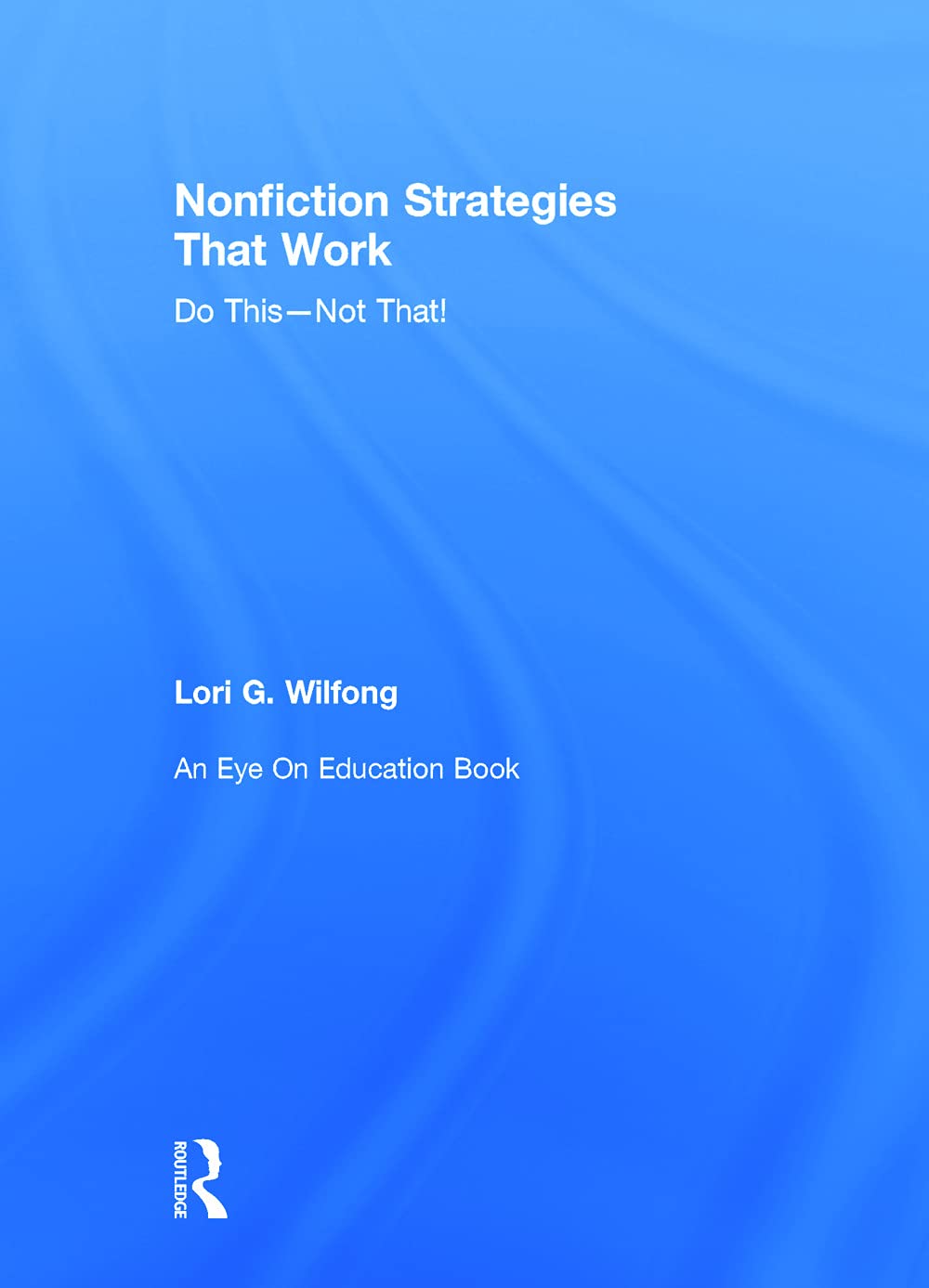
In this review of Nonfiction Strategies That Work, readers will find a practical classroom guide aimed at teachers who want clear, classroom-tested ways to teach nonfiction reading and writing. Lori G. Wilfong presents ten best practices and contrasts them with approaches to avoid, so the single biggest reason to buy is the book's focus on usable, lesson-ready strategies that connect content knowledge, vocabulary, text structure and evidence-based summary writing in everyday instruction. This review highlights how the book translates research into tools teachers can actually use.
Key Features
- Ten best practices: Each practice is explained with classroom rationale so teachers can prioritize instructional moves that support comprehension and content learning.
- Text selection guidance: Practical advice on finding quality, differentiated texts helps teachers match nonfiction materials to diverse student needs.
- Purposeful scaffolds: The book describes a range of scaffolds for summary writing that teachers can adapt to support struggling writers.
- Vocabulary focus: Strategies for selecting vocabulary with purpose help students learn the words that support content understanding.
- Text structure as a tool: Using text structure for both reading and writing is presented as a durable strategy for analyzing nonfiction.
Who It's For
This book is best for K-12 teachers, literacy coaches and curriculum leaders who need concrete methods for teaching nonfiction that are grounded in classroom practice. Educators who regularly work with content-area texts and want to strengthen students' abilities to cite evidence and summarize will find the guidance immediately applicable.
Those seeking detailed lesson plans or a program-ready kit should look elsewhere, because the book emphasizes principles and adaptable strategies rather than scripted, day-by-day materials. Administrators wanting district-level pacing guides may need to supplement the book with specific unit plans.
Pros & Cons
Pros
- Clear articulation of ten high-leverage practices that make it easier to choose what to teach when working with nonfiction.
- Helpful, practical guidance on selecting differentiated texts so classrooms can include varied reading levels.
- Actionable scaffolds for summary writing and strategies for teaching students to cite textual evidence.
Cons
- The book focuses on strategies and examples rather than providing fully scripted lesson sequences, so teachers wanting plug-and-play units may need additional resources.
Specifications
| Title | Nonfiction Strategies That Work |
| Author | Lori G. Wilfong |
| Focus | Teaching nonfiction reading and writing |
| Core content | Ten best practices, text selection, scaffolds, vocabulary, text structure |
| Audience | K-12 teachers, literacy coaches |
| Use case | Classroom instructional strategies |
Our Verdict
Nonfiction Strategies That Work is a solid, practical resource for educators who want research-informed, classroom-ready approaches to teaching nonfiction. It is good value for teachers and coaches seeking adaptable strategies to improve content comprehension, vocabulary instruction and summary writing without committing to a scripted curriculum.
Frequently Asked Questions
Does this book include lesson plans?
No; the book emphasizes principles and strategies rather than step-by-step lesson plans, so teachers will adapt the ideas to their classrooms.
Is it suitable for secondary classrooms?
Yes; the strategies are applicable across grade levels and can be scaled for middle and high school content-area texts.
Will this help struggling readers?
The book provides purposeful scaffolds and differentiated text selection guidance intended to support struggling readers and writers.
Editor's Take
Nonfiction Strategies That Work is a practical, research-informed resource for teachers and coaches who need adaptable strategies to teach nonfiction comprehension, vocabulary and evidence-based summary writing; ideal for classrooms rather than scripted curriculum.

Recently viewed
Recently viewed products will appear here as customers browse the store.