Nursing Diagnosis Handbook: Evidence-Based Care Planning Guide
Nursing Diagnosis Handbook: Evidence-Based Care Planning Guide
Price subject to change. Tap below for current.
Couldn't load pickup availability
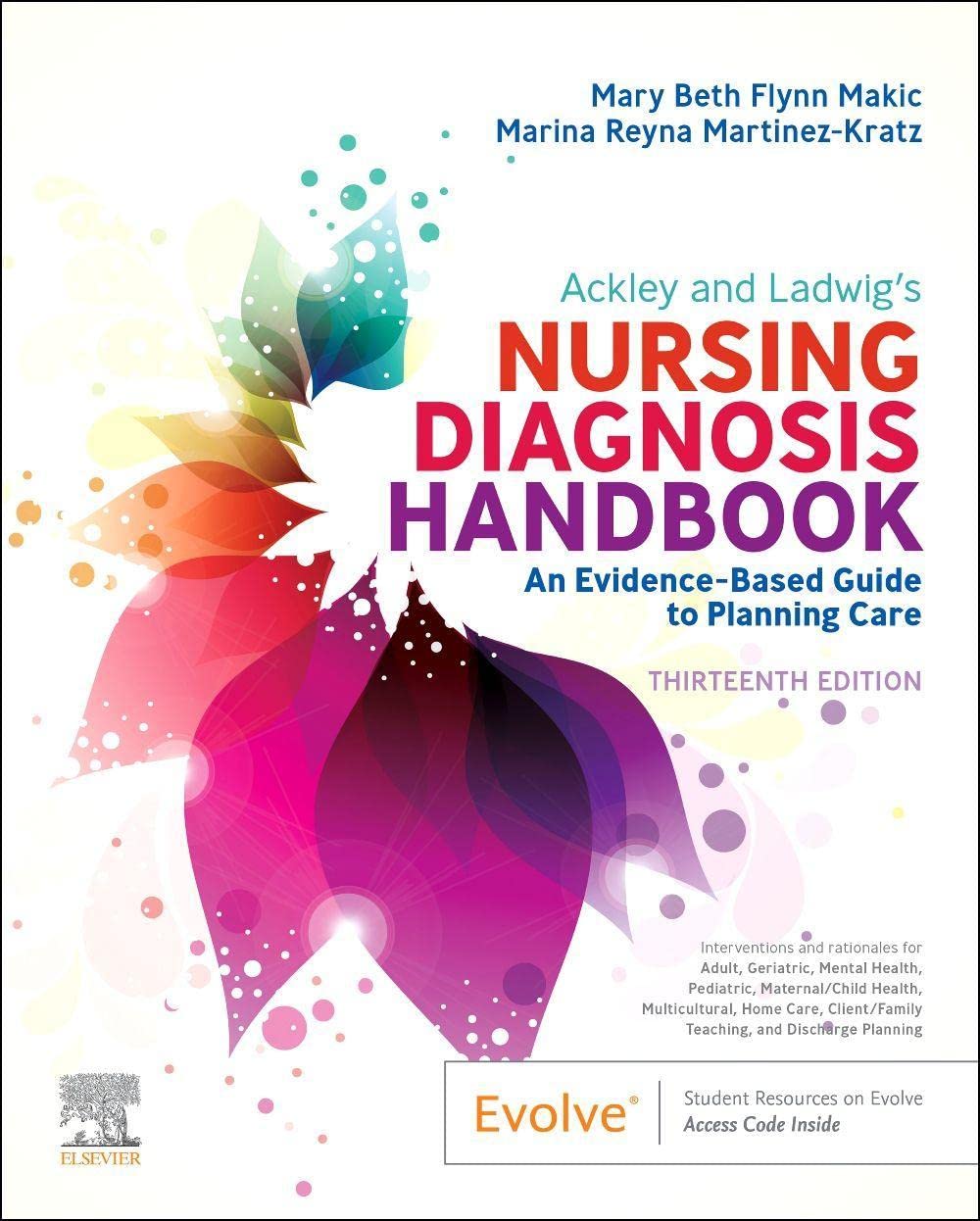
The Nursing Diagnosis Handbook is an essential resource for healthcare professionals seeking to enhance their clinical skills. Authored by Mary Beth Flynn Makic and Marina Reyna Martinez-Kratz, this handbook provides a comprehensive approach to nursing diagnosis and care planning. With its evidence-based framework, it equips nurses with the tools necessary to deliver high-quality patient care.
One of the standout features of this handbook is its focus on evidence-based practice. Each diagnosis is supported by the latest research, ensuring that nurses are informed by the most current and relevant information. This approach not only improves patient outcomes but also fosters confidence in clinical decision-making.
In addition to its thorough coverage of nursing diagnoses, the handbook includes practical tools such as care plans and assessment guides. These resources are designed to streamline the care planning process, making it easier for nurses to develop individualized care strategies for their patients.
The layout of the book is user-friendly, with clear headings and organized sections that facilitate quick reference. This is particularly beneficial in fast-paced clinical environments where time is of the essence. The handbook's structure allows for easy navigation, enabling nurses to find the information they need without delay.
Furthermore, the authors have included case studies and real-life examples that illustrate the application of nursing diagnoses in various clinical scenarios. This practical approach helps bridge the gap between theory and practice, making it an invaluable tool for both students and experienced practitioners alike.
Another notable aspect of the Nursing Diagnosis Handbook is its emphasis on interdisciplinary collaboration. The authors highlight the importance of teamwork in healthcare, encouraging nurses to work alongside other professionals to provide holistic care. This perspective is crucial in today's healthcare landscape, where collaborative practice is essential for optimal patient outcomes.
In conclusion, the Nursing Diagnosis Handbook is a must-have for any nursing professional. Its evidence-based approach, practical tools, and focus on interdisciplinary collaboration make it an indispensable resource for effective care planning. Whether you are a nursing student or a seasoned practitioner, this handbook will enhance your ability to provide exceptional patient care.
Share