

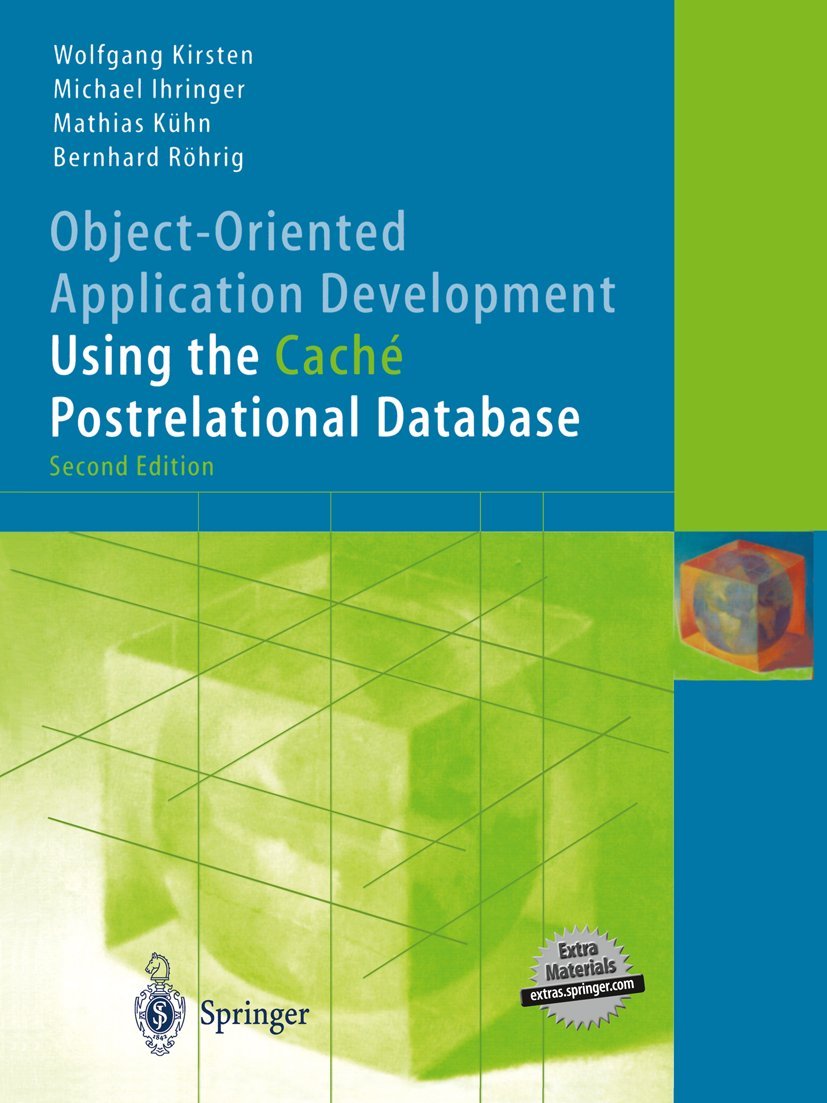
Object-Oriented Application Development Using the Cache Postrelational
Object-Oriented Application Development Using the Cache Postrelational
Price subject to change. Tap below for current.
Couldn't load pickup availability
In this review of Object-Oriented Application Development Using the Cache Postrelational Database, the book proves itself as a pragmatic, technical reference for developers and administrators working with Cache 5. The second, revised and expanded edition centers on practical tooling and interoperability, making it the single best reason to buy: it consolidates the new Cache Studio workflow, expanded Java and ActiveX coverage, and a full chapter on XML- and SOAP-based Web services into one manual. Readers who need hands-on guidance for building, debugging and integrating postrelational applications will find this edition especially useful.
Key Features
- Comprehensive Cache 5 coverage: The book explains the new features and behavioral changes in Cache 5 so readers can migrate or adopt the release with fewer surprises.
- Cache Studio improvements: A detailed description of Cache Studio highlights practical development and debugging workflows that speed application troubleshooting.
- Expanded Web services chapter: The new chapter on XML- and SOAP-based Web services shows how to expose and consume services for interoperability with external systems.
- Revised Java and ActiveX sections: The book updates Java and ActiveX integration material so developers can connect Cache to common client and server platforms.
- SQL Manager rewrite: The revised SQL Manager chapter clarifies relational-style access patterns and management of data stored in the postrelational system.
- Developer-oriented examples: Practical examples and explanations give actionable steps for storage, retrieval and application logic within the Cache environment.
Who It's For
This book is aimed at application developers, database administrators and technical architects who work directly with the Cache postrelational database and need a single reference that covers the latest tools and integration patterns. It suits teams migrating to Cache 5 or extending existing deployments with web services and language bindings.
Readers who want a conceptual introduction to databases in general or a lightweight beginner tutorial should look elsewhere; this edition assumes familiarity with development concepts and focuses on practical, platform-specific guidance rather than introductory theory.
Pros & Cons
Pros
- Authoritative consolidation of Cache 5 changes that reduces the time needed to learn the new release.
- Clear, practical coverage of Cache Studio that improves debugging and development efficiency.
- Strong interoperability material, including XML and SOAP examples, that helps integrate Cache with other systems.
- Updated Java, ActiveX and SQL Manager chapters provide relevant, modernized guidance for multiple integration scenarios.
Cons
- The book assumes a technical background and does not function as a beginner-level introduction to databases.
- Readers seeking platform-agnostic theory will find the Cache-focused content tightly scoped to the product.
Specifications
| Title | Object-Oriented Application Development Using the Cache Postrelational Database |
| Edition | Second, revised and expanded edition |
| Primary focus | Cache 5 features, development and debugging |
| New material | Cache Studio improvements and XML/SOAP Web services chapter |
| Revised topics | Java, ActiveX and SQL Manager chapters |
| Intended audience | Developers, DBAs and architects using Cache |
Our Verdict
For practitioners who work with the Cache postrelational database, this updated edition is a worthwhile investment: it brings the tooling, web services and language integration material up to date and gathers actionable guidance in one place. It delivers good value for teams migrating to or actively developing on Cache 5, while those needing a general database primer should consider other titles.
Frequently Asked Questions
Does this edition cover the latest Cache release?
The second revised and expanded edition specifically covers the new features and changes in Cache 5.
Is there practical guidance for integration with other systems?
Yes, the book includes a full chapter on XML- and SOAP-based Web services plus revised Java and ActiveX sections for interoperability.
Who should not buy this book?
Beginners seeking an introductory text on databases or platform-agnostic theory should look for a more general resource, as this book focuses on Cache-specific practices.
Editor's Take
This updated edition is a practical, Cache 5-focused reference that consolidates Cache Studio improvements, expanded web services coverage and revised integration chapters, making it a strong choice for developers and administrators working with Cache.

Recently viewed
Recently viewed products will appear here as customers browse the store.