

One Size Does Not Fit All - Student Affairs Models
One Size Does Not Fit All - Student Affairs Models
Price subject to change. Tap below for current.
Couldn't load pickup availability
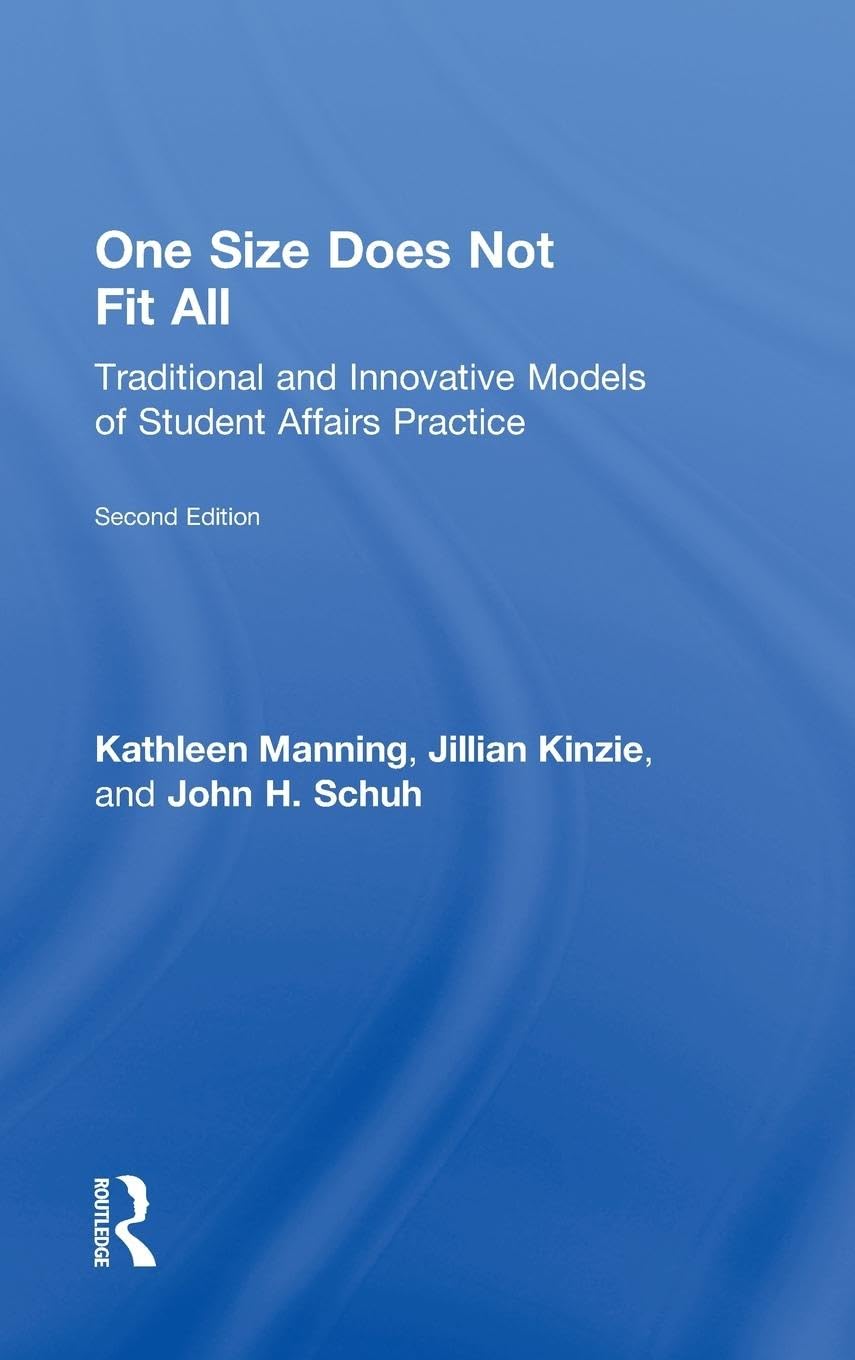
In this review of One Size Does Not Fit All, the second edition edited by Kathleen Manning, Jillian Kinzie and John H. Schuh, the book is presented as a practical, research-informed guide for higher education administrators and student affairs professionals. The bottom line: this collection offers eleven distinct models of student affairs practice drawn from a multi-institutional qualitative study, and its greatest strength is translating research into concrete program variations that institutions can adapt rather than forcing a single prescription. Readers seeking evidence-based, adaptable approaches to increase student engagement will find it especially useful.
Key Features
- Eleven practice models: Presents a range of alternative student affairs models so practitioners can compare approaches and choose what fits their campus context.
- Research-based insights: Findings come from a qualitative, multi-institutional project that grounds recommendations in observed practice and institutional variation.
- Updated second edition: Revises models using recent NSSE data and commentary on contemporary challenges like budget cuts and economic shifts.
- Assessment guidance: Offers updated information about model assessment so administrators can evaluate program impact and adapt over time.
- Practical relevance: Focuses on policies, practices, and programs demonstrated to increase student engagement, success, and learning.
Who It's For
This book is aimed squarely at higher education administrators, student affairs professionals, and campus leaders who need practical, evidence-informed alternatives to single-model solutions. Those responsible for program design, assessment, or strategic planning will value the comparative perspective and the emphasis on adapting practice to institution-specific constraints.
It is less suited for readers seeking introductory overviews of student development theory or a how-to manual for classroom teaching; faculty or instructors looking for curricular pedagogy rather than co-curricular program design may prefer other titles. Readers hoping for exhaustive quantitative analysis should note the books qualitative, model-focused orientation.
Pros & Cons
Pros
- Provides multiple, clearly described models that make it easier to tailor student affairs work to institutional needs.
- Updated content responds to recent NSSE findings and challenges like budget pressures, keeping the material current.
- Emphasizes assessment and practical evaluation, helping professionals measure impact and refine programs.
Cons
- The qualitative, multi-institutional approach means readers seeking extensive quantitative metrics may find fewer hard numbers than expected.
Specifications
| Title | One Size Does Not Fit All |
| Edition | Second edition (revised) |
| Editors | Kathleen Manning; Jillian Kinzie; John H. Schuh |
| Content focus | Eleven models of student affairs practice |
| Research basis | Qualitative, multi-institutional research project |
| Updates included | Refinement using NSSE data and notes on budget/economic issues |
Our Verdict
One Size Does Not Fit All is a valuable, pragmatic resource for student affairs leaders and administrators who need adaptable, research-grounded program models. Its comparative design and updated assessment guidance make it good value for professionals tasked with redesigning or evaluating co-curricular programs, though those seeking heavy quantitative analysis may need supplemental sources.
Frequently Asked Questions
Does this edition include new research?
Yes, the revised second edition refines models in light of recent NSSE data and contemporary higher education developments.
Who contributed to this volume?
The book is edited by Kathleen Manning, Jillian Kinzie, and John H. Schuh and is based on a qualitative, multi-institutional study.
Is this a how-to manual for classroom instruction?
No, it focuses on student affairs models, policies, and programs rather than classroom teaching techniques.
Editor's Take
One Size Does Not Fit All is a pragmatic, research-grounded guide for student affairs professionals, offering eleven adaptable models and updated assessment guidance; ideal for administrators redesigning co-curricular programs.

Recently viewed
Recently viewed products will appear here as customers browse the store.