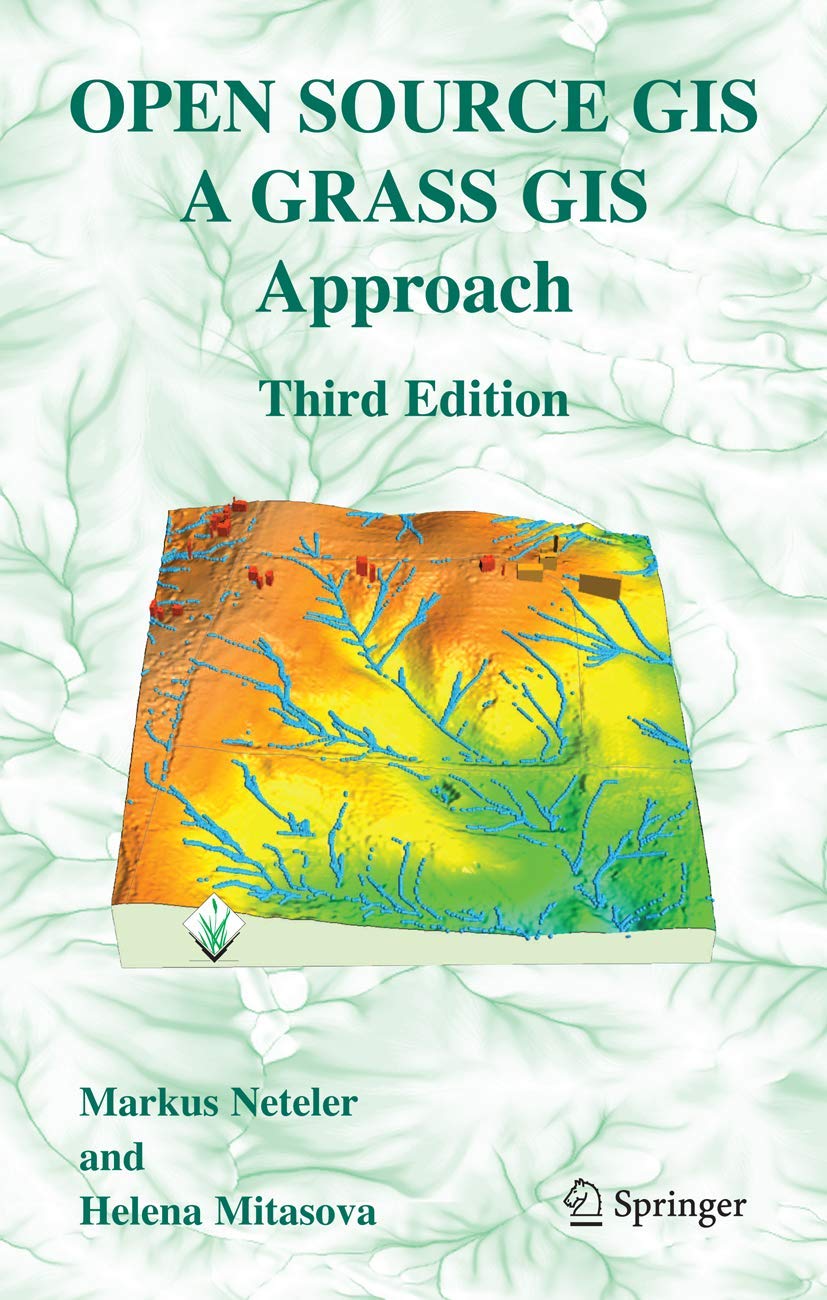
Open Source GIS: A Comprehensive Guide to GRASS GIS Approach
Open Source GIS: A Comprehensive Guide to GRASS GIS Approach
Price subject to change. Tap below for current.
Couldn't load pickup availability
Open Source GIS: A GRASS GIS Approach is an essential resource for anyone looking to delve into the world of geographic information systems. This book provides a thorough understanding of GRASS GIS, a powerful tool for spatial data management and analysis. It is designed for both beginners and experienced users, making it a versatile addition to any GIS library.
The authors, Markus Neteler and Helena Mitasova, have crafted a detailed guide that covers the fundamentals of open source GIS technologies. With clear explanations and practical examples, readers will learn how to effectively utilize GRASS GIS for various applications, from environmental monitoring to urban planning.
One of the standout features of this book is its focus on real-world applications. Each chapter includes case studies that demonstrate the practical use of spatial analysis techniques. These examples not only illustrate the capabilities of GRASS GIS but also inspire readers to apply these methods to their own projects.
The book is structured to facilitate learning, starting with the basics of GIS concepts and gradually progressing to more advanced topics. Readers will appreciate the inclusion of step-by-step tutorials that guide them through the installation and configuration of GRASS GIS on various platforms. This hands-on approach ensures that users can quickly get started with the software.
In addition to the technical aspects, Open Source GIS: A GRASS GIS Approach also addresses the importance of data visualization. The authors emphasize the need for effective communication of spatial information, providing tips on how to create compelling maps and visual representations of data.
Another key aspect of this book is its commitment to the principles of open source software. The authors advocate for the use of free and open tools in GIS, highlighting the benefits of collaboration and community-driven development. This perspective is particularly relevant in today's rapidly evolving technological landscape.
For those interested in expanding their knowledge of GIS, this book serves as a comprehensive guide that combines theory with practical application. Whether you are a student, researcher, or professional, Open Source GIS: A GRASS GIS Approach will equip you with the skills needed to navigate the complexities of spatial data.
In conclusion, this book is a must-have for anyone serious about mastering GRASS GIS. Its clear structure, practical examples, and emphasis on open source principles make it an invaluable resource for both new and seasoned GIS users.
Share