

Optimum Cooling of Data Centers: Risk Assessment and Mitigation
Optimum Cooling of Data Centers: Risk Assessment and Mitigation
Price subject to change. Tap below for current.
Couldn't load pickup availability
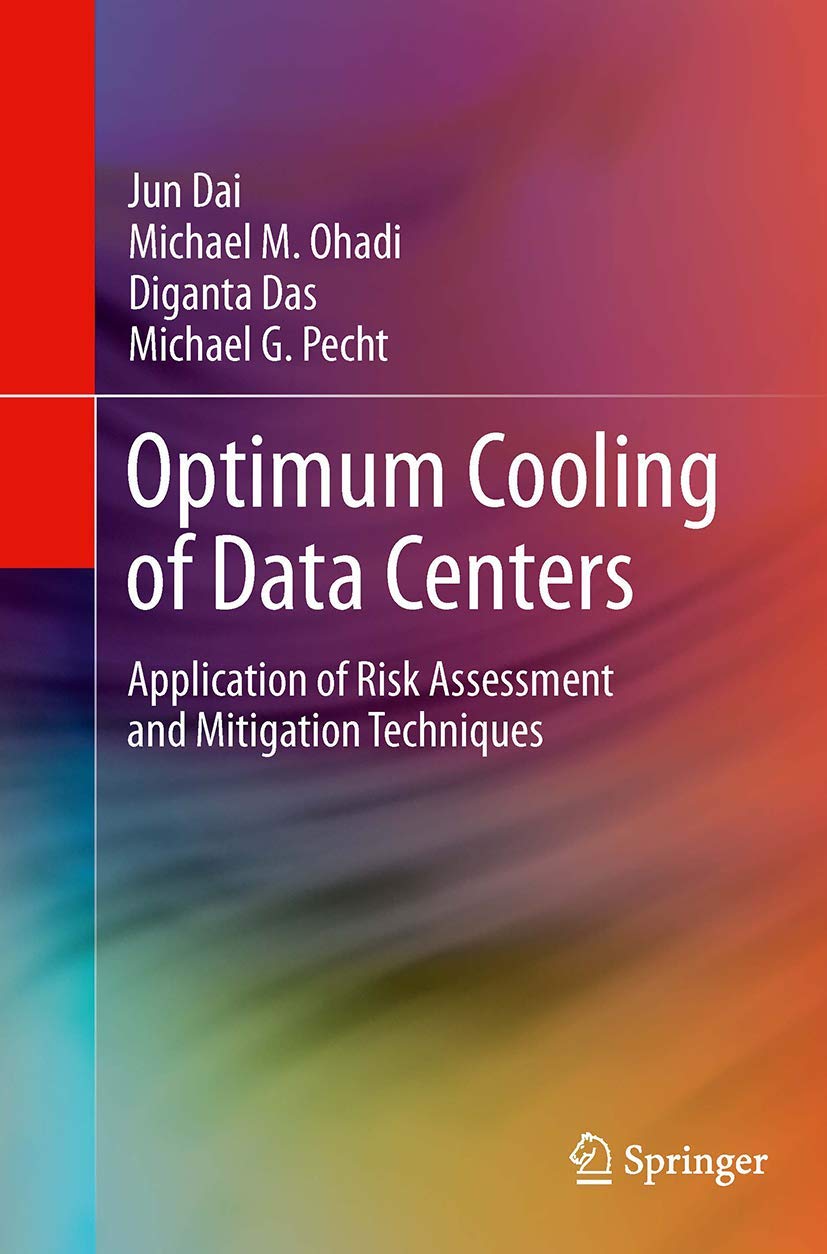
In this review of Optimum Cooling of Data Centers: Application of Risk Assessment and Mitigation Techniques, the authors present a focused technical guide for engineers and designers working on telecom and data center cooling. The book's single biggest reason to buy is its detailed treatment of free air cooling risks and how they affect equipment performance and reliability, making it especially useful to professionals evaluating energy reduction strategies for communication installation rooms.
Key Features
- Free air cooling analysis: The book explains how free air cooling can be applied to telecom infrastructure and what performance tradeoffs to expect.
- Comparative methods: It compares current cooling methods in the field so readers can weigh alternatives for energy reduction.
- Risk identification approach: The authors introduce a method for identifying risks specific to free air cooling that are not covered by standard reliability tests.
- Qualification and standards review: The book reviews qualification methods and standard reliability assessments and highlights their limitations for free air cooled systems.
- Targeted design guidance: Practical discussion is provided for cooling communication installation rooms such as data centers and base stations to inform design choices.
Who It's For
This book is best suited for HVAC engineers, telecom systems designers, and facility planners who need a technical, application-oriented look at cooling strategies for communication equipment. It reads as a professional reference rather than a general introduction, so readers should have baseline familiarity with data center or telecom room cooling concepts.
Readers who want broad consumer-facing explanations of home HVAC, or introductory content without engineering detail, should look elsewhere; this work focuses narrowly on equipment cooling in communications infrastructure and risk assessment methodology rather than elementary theory.
Pros & Cons
Pros
- Provides a focused, practical discussion of free air cooling applicable to telecom and data center environments.
- Compares present cooling methods so decision makers can evaluate energy reduction options.
- Introduces a structured method to identify risks that standard reliability tests may miss.
- Useful for designers and manufacturers involved in communications network hardware.
Cons
- Not a beginner's text; assumes familiarity with cooling and reliability terminology and practices.
Specifications
| Title | Optimum Cooling of Data Centers: Application of Risk Assessment and Mitigation Techniques |
| Authors | Michael OhadiDiganta Das |
| Primary focus | Free air cooling for telecom infrastructures |
| Target environments | Communication installation rooms, data centers, base stations |
| Topics covered | Cooling methods, energy reduction, qualification methods, reliability assessment, risk identification |
| Audience | Engineers, designers, manufacturers in telecom and data center sectors |
Our Verdict
Optimum Cooling of Data Centers is a concise, technical reference for professionals evaluating free air cooling and its impact on equipment reliability. It is good value for engineers and planners who need practical risk assessment techniques and comparisons of cooling methods, though those seeking introductory HVAC explanations should consider a more general text.
Frequently Asked Questions
Does this book explain how free air cooling saves energy?
Yes; the book introduces free air cooling as a technique for energy reduction and compares it with other cooling methods used in the field.
Is this suitable for nontechnical readers?
Not really; the content assumes familiarity with cooling and reliability concepts and is aimed at professionals.
Does it cover reliability testing and standards?
It reviews qualification methods and standard reliability assessments and discusses where they fall short for free air cooling.
Editor's Take
A focused technical reference for engineers and planners, this book explains free air cooling, compares cooling methods, and presents risk assessment techniques valuable for telecom and data center equipment design.

Recently viewed
Recently viewed products will appear here as customers browse the store.