

Order, Legitimacy, and Wealth in Ancient States - Scholarly
Order, Legitimacy, and Wealth in Ancient States - Scholarly
Price subject to change. Tap below for current.
Couldn't load pickup availability
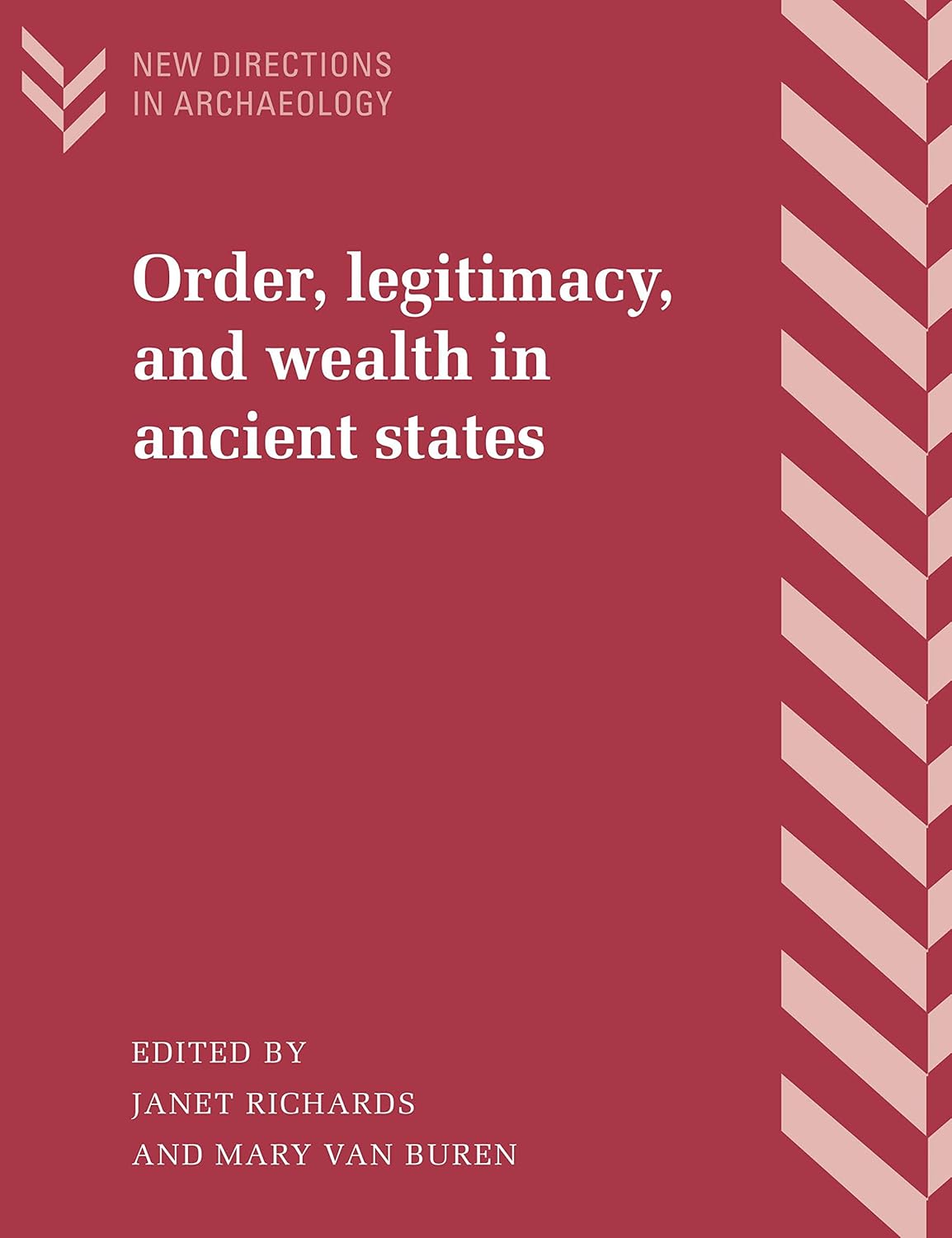
In this review of Order, Legitimacy, and Wealth in Ancient States the editors assemble essays that revisit a pivotal 1994 model about how wealth and elite culture shaped early states. The book is best for readers seeking a comparative, scholarly perspective rather than a general narrative; its single biggest reason to buy is the breadth of case studies, which apply the Baines and Yoffee framework to regions from Mesoamerica to China. The tone is academic and evidence-driven, so expect detailed argumentation about monumental architecture, literature, and the social uses of high culture.
Key Features
- Comparative scope: Essays cover multiple ancient regions so readers gain cross-cultural perspectives on state formation and elite display.
- Theoretical foundation: Contributors explicitly apply the Baines and Yoffee model, offering readers a consistent analytical lens across chapters.
- Regional depth: Separate chapters on Mesoamerica, the Andes, the Indus Valley, China, and Greece provide focused evidence and local case studies.
- Architecture and material culture: The volume emphasizes monumental architecture and artifacts to trace how wealth and prestige were produced and signaled.
- Literary and symbolic analysis: Discussion of literature and elite symbolic practices shows how high culture supported claims to legitimacy.
- Expansion of classic comparison: Several chapters extend the original Egypt-Mesopotamia comparison to other world regions, widening the dialogue.
Who It's For
This volume will appeal to graduate students, academic researchers, and informed readers who want a comparative archaeology book focused on state formation, elite practices, and the social meanings of wealth. It is particularly useful for those studying ancient Greece alongside non-Western states because of its cross-regional approach and attention to monuments and texts.
Readers looking for a popular history or a chronological narrative aimed at general audiences should look elsewhere; the essays assume familiarity with scholarly debates and prioritize theoretical analysis and case-study evidence over storytelling.
Pros & Cons
Pros
- Wide comparative coverage lets readers contrast processes of state formation across multiple world regions.
- Strong theoretical continuity, building on the influential Baines and Yoffee framework for consistent interpretation.
- Detailed focus on monumental architecture and literary evidence gives tangible examples of how wealth produced legitimacy.
Cons
- Academic tone and dense argumentation may be challenging for casual readers or newcomers to the topic.
Specifications
| Title | Order, Legitimacy, and Wealth in Ancient States |
| Series | New Directions in Archaeology |
| Editors | Janet Richards, Mary Van Buren |
| Focus areas | Mesoamerica, Andes, Indus Valley, China, Greece, Egypt-Mesopotamia comparison |
| Main themes | Wealth, high culture, legitimacy, monumental architecture, literature |
Our Verdict
Order, Legitimacy, and Wealth in Ancient States is a strong, comparative edited volume for specialists and advanced students who want theoretical engagement with how elite culture and material displays shaped early states. Its value lies in directly applying a seminal model to diverse regions, making it good value for readers seeking depth rather than a popular synthesis.
Frequently Asked Questions
Does this book compare many regions?
Yes, it includes chapters on Mesoamerica, the Andes, the Indus Valley, China, Greece, and further develops Egypt-Mesopotamia comparisons.
Is the book suitable for casual readers?
Not ideally; the essays are scholarly and assume familiarity with archaeological theory and debates.
What primary topics does it address?
The volume examines the production and uses of high culture, monumental architecture, literature, and the relationship between wealth and state legitimacy.
Editor's Take
A strong comparative edited volume that applies a seminal theoretical model to diverse regions; ideal for graduate students and researchers seeking depth on how wealth and high culture shaped early states.

Recently viewed
Recently viewed products will appear here as customers browse the store.