

Outposts of the Forgotten - Social Study of SRO Tenements
Outposts of the Forgotten - Social Study of SRO Tenements
Price subject to change. Tap below for current.
Couldn't load pickup availability
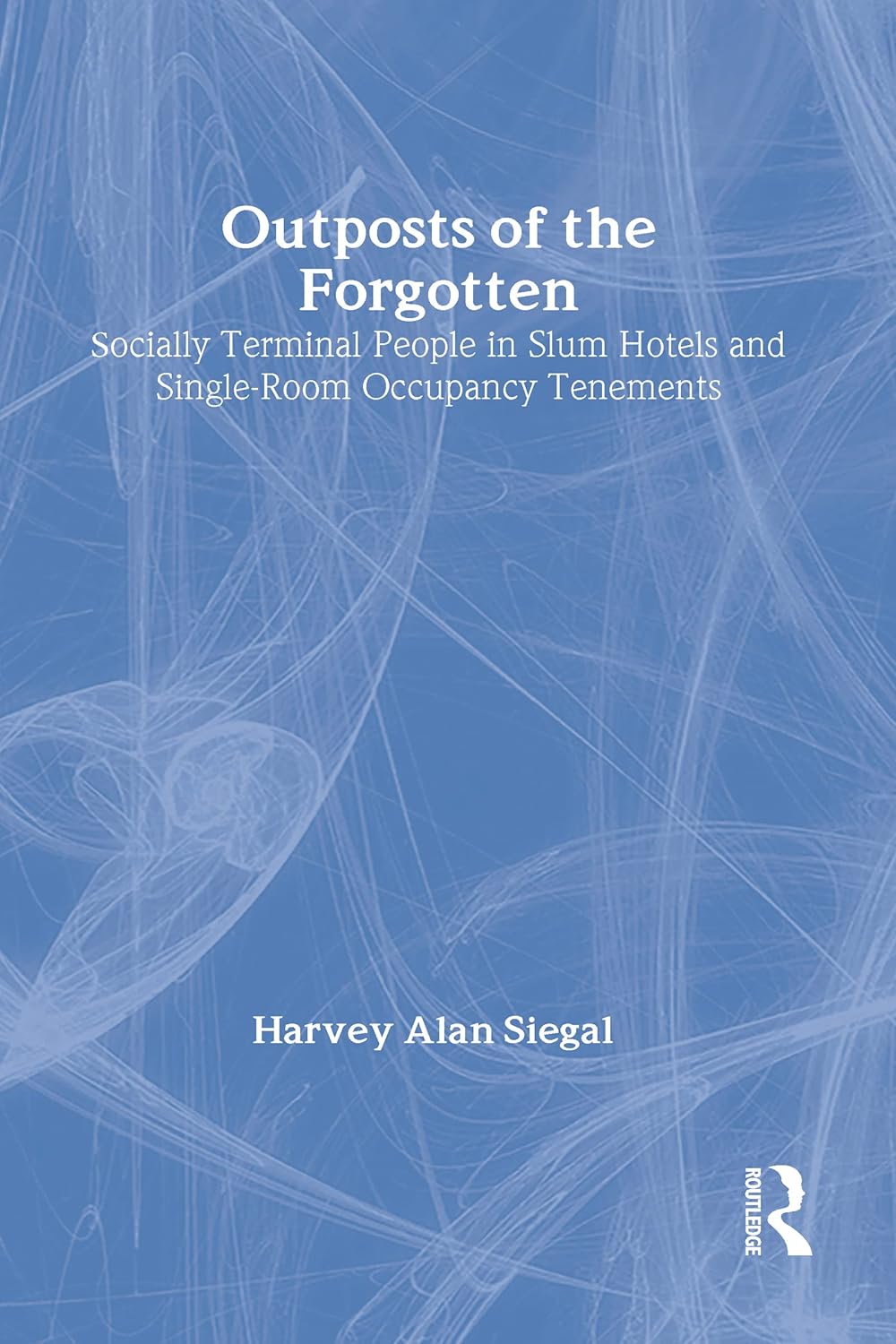
In this review of Outposts of the Forgotten, the reviewer assesses Harvey Alan Siegal's close observational study of single-room occupancy (SRO) tenements and welfare hotels in late 1970s New York City. This book is for readers interested in urban sociology, social policy, and the lived experience of marginalized populations; the single biggest reason to buy is its detailed, humane account of residents who lived "between" open society and institutional care, revealing social structures and personal stories often overlooked in broader histories.
Key Features
- Firsthand observation: The book presents detailed, on-the-ground reporting of SRO tenements and welfare hotels that brings daily life and institutional context into focus.
- Community portrait: Siegal documents a mixed population of elderly, non-white, unemployed, and disabled tenants to illustrate how poverty coexisted with nearby affluence.
- Institutional analysis: The work frames SROs as a halfway area between open society and total institutions, helping readers understand systemic supports and gaps.
- Historical context: Concentrated on the Upper West Side of Manhattan in the late 1970s, the book situates individual stories within a clear time and place.
- Balanced accounts: The narrative acknowledges both law-abiding residents and criminal elements, offering a nuanced view rather than a simplistic stereotype.
Who It's For
The book is best for students and researchers in social sciences, urban historians, and policy makers who want a grounded case study of poverty and housing policy in New York City during a period of crisis. It also suits general readers who appreciate empathetic reporting on marginalized communities.
Readers seeking a contemporary policy manual or an up-to-date survey of New York housing should look elsewhere, since the material is rooted in the late 1970s and focuses on descriptive, ethnographic detail rather than prescriptive modern solutions.
Pros & Cons
Pros
- Provides immersive, humane observation that humanizes residents often written off by policy debates.
- Offers clear institutional perspective by positioning SROs between open society and total institutions, aiding analytical insight.
- Includes demographic detail that highlights how poverty existed alongside affluence in a specific urban neighborhood.
Cons
- Material is historically specific to the late 1970s and may not reflect modern conditions or policy developments.
Specifications
| Title | Outposts of the Forgotten |
| Author | Harvey Alan Siegal |
| Subject | Single-room occupancy tenements and welfare hotels |
| Geographic focus | Upper West Side, Manhattan, New York City |
| Time period | Late 1970s |
| Population described | Old, non-white, unemployed, disabled, in poor health |
Our Verdict
Outposts of the Forgotten is a valuable, compassionate case study for anyone studying urban poverty or housing institutions; its descriptive power and institutional framing make it good value for researchers and readers who want historical, person-centered insight into SRO life.
Frequently Asked Questions
Does this book focus on a specific neighborhood?
Yes. The primary geographic focus is the Upper West Side of Manhattan in New York City.
What population does the book describe?
It describes mostly older, non-white, unemployed and disabled residents living in SRO tenements and welfare hotels.
Is this a policy handbook?
No. The book is an observational, descriptive study from the late 1970s rather than a modern policy guide.
Editor's Take
Outposts of the Forgotten is a compassionate, descriptive case study of SRO tenements in late 1970s New York City that offers valuable institutional insight for researchers and readers of urban sociology.

Recently viewed
Recently viewed products will appear here as customers browse the store.