

Overcoming Obsessive Compulsive Disorder: A Self-Help Guide - Large
Overcoming Obsessive Compulsive Disorder: A Self-Help Guide - Large
Price subject to change. Tap below for current.
Couldn't load pickup availability
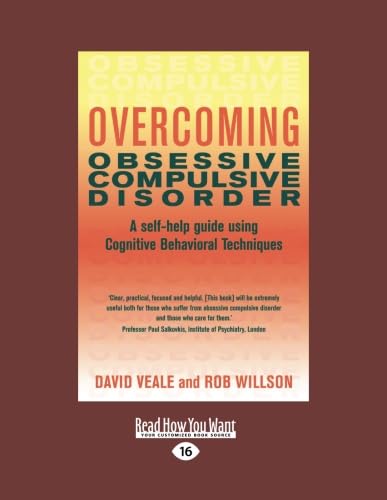
In this review of Overcoming Obsessive Compulsive Disorder: A Self-Help Guide Using Cognitive Behavioral Techniques the reviewer finds a focused, accessible paperback aimed at readers seeking practical strategies for OCD. The bottom line: this book is best for people who want a concise, CBT-based self-help manual they can refer to again and again, and the large print 16pt edition makes the content easier to read for those who prefer bigger text. It reads like a practical companion rather than an academic text, and the review highlights its usability and clear structure as the single biggest reason to buy.
Key Features
- Large print 16pt: The bigger type reduces eye strain and makes step-by-step exercises easier to follow for longer reading sessions.
- Cognitive behavioral techniques: The book presents CBT-based strategies that readers can apply to recognize and change obsessive thoughts and compulsive behaviors.
- Practical self-help format: Written as a paperback guide, the layout supports quick reference and repeated use when working through exercises.
- Author expertise: The guide draws on authors experienced in psychological approaches, offering structured guidance rather than anecdotal tips.
- Portable paperback: The 2013 paperback edition is easy to carry to appointments or keep on a bedside table for ongoing work.
Who It's For
This guide suits adults and older teens who are looking for a self-directed, evidence-informed approach to managing OCD symptoms without heavy clinical jargon. The clear CBT focus and workbook style make it appropriate for readers who want concrete techniques to practice between therapy sessions.
It is less suitable for people who need in-depth academic coverage, diagnostic assessment, or intensive clinical programming; those readers should look to specialist clinical texts or professional treatment plans. Also, readers expecting a memoir or narrative accounts may find the concentrated self-help style too instructional.
Pros & Cons
Pros
- Large 16pt type makes the manual very readable and approachable for readers with visual sensitivity.
- CBT-focused techniques provide practical actions to try, making the book useful between therapy sessions.
- Paperback format supports portability and repeated reference during self-help work.
Cons
- The concise self-help orientation means limited depth for readers seeking comprehensive clinical theory or detailed case studies.
Specifications
| Title | Overcoming Obsessive Compulsive Disorder: A Self-Help Guide Using Cognitive Behavioral Techniques |
| Edition | Large Print 16pt |
| Format | Paperback |
| Authors | Rob Willson and David Veal |
| Publication year | 2013 |
| Focus | Cognitive behavioral techniques for OCD |
Our Verdict
For readers seeking a readable, hands-on CBT manual, this large print paperback is a practical, good-value choice that prioritizes usability. Its clear exercises and accessible layout make it a sensible buy for people working on OCD with or between professional support, though those wanting exhaustive clinical detail should consult specialist texts.
Frequently Asked Questions
Is this edition easy to read?
Yes, the large print 16pt edition improves readability and makes exercises easier to follow.
Does the book teach therapy techniques?
It presents CBT-based self-help techniques intended for personal use and practice, rather than replacing professional therapy.
What format is available?
This is a 2013 paperback edition designed for portability and repeated reference.
Editor's Take
A practical, accessible CBT-based self-help paperback in large print that suits readers seeking clear exercises and usability; good value for those working on OCD with or between professional support.

Recently viewed
Recently viewed products will appear here as customers browse the store.