

Parental Alienation - Evidence-Based Interventions
Parental Alienation - Evidence-Based Interventions
Price subject to change. Tap below for current.
Couldn't load pickup availability
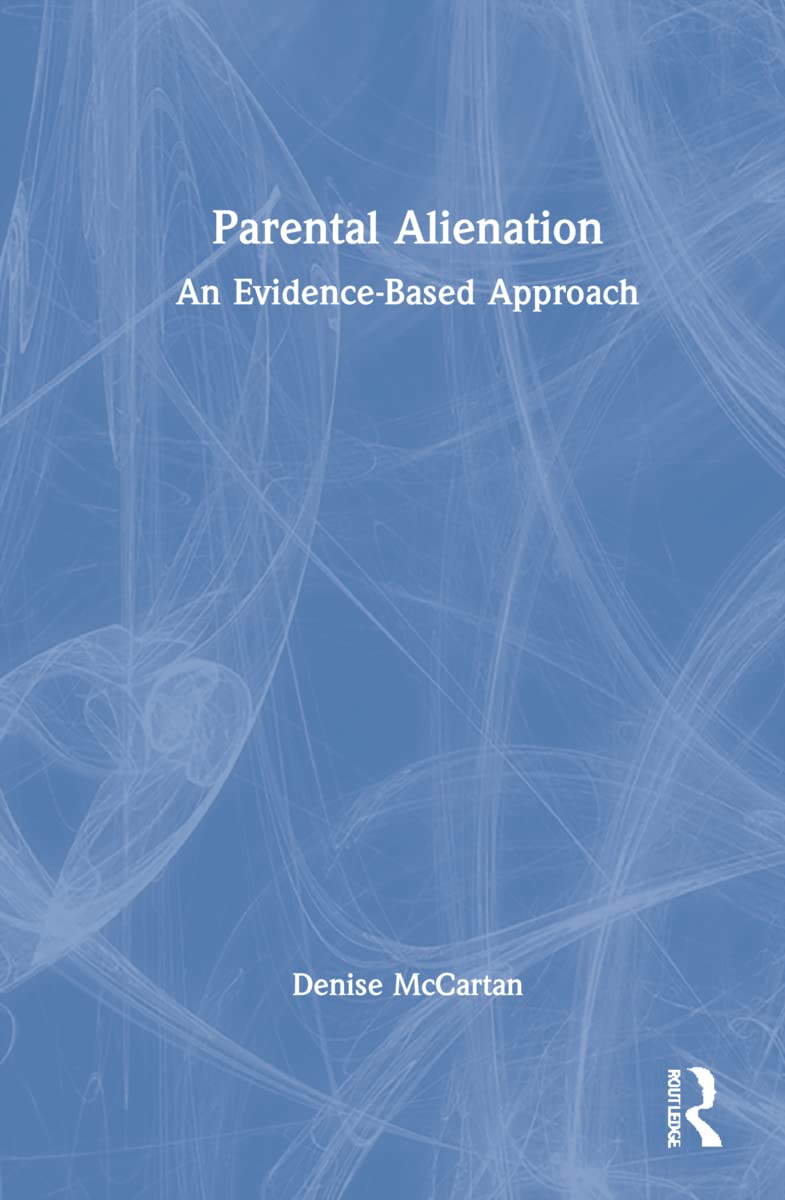
Our review of Parental Alienation finds it to be a focused, clinical resource for professionals who must identify and respond to harmful family dynamics. Written as a compact, evidence-oriented text, it is strongest for clinicians, expert witnesses and family court practitioners seeking clear guidance on assessment and intervention. The book's main value is its emphasis on evidence-based interventions and practical application, making it more of a professional reference than a general self-help guide for parents.
Key Features
- Comprehensive overview: The book surveys established, peer-informed approaches so readers can compare methods used in practice.
- Assessment guidance: It describes how to identify and assess parental alienation in family contexts to inform clinical and legal decision making.
- Intervention focus: Chapters detail how to intervene effectively with families to protect the needs of the child and reduce emotional harm.
- Family court relevance: The text highlights material useful to those working in family courts, including expert witnesses who must translate clinical findings for legal settings.
- Child-centered emphasis: The author consistently frames approaches around ensuring the best interests and emotional welfare of the child.
Who It's For
This title is aimed primarily at professionals: clinical psychologists, child psychiatrists, social workers, family law experts and expert witnesses who need a concise review of interventions for parental alienation. It is useful as a reference when preparing assessments, reports or courtroom testimony.
Readers seeking a practical self-help manual for parents or a general-audience explanation of divorce-related issues may find this text too technical and focused on clinical interventions rather than step-by-step parenting advice.
Pros & Cons
Pros
- Provides a clear synthesis of existing, evidence-based intervention options for professionals.
- Emphasizes child welfare and the practical application of assessment findings.
- Addresses the needs of expert witnesses and family court practitioners directly.
Cons
- Not written as a layperson's self-help guide, so parents without clinical background may find it technical.
Specifications
| Title | Parental Alienation |
| Author / Brand | Denise McCartan |
| Focus | Evidence-based interventions and assessment |
| Primary audience | Family court professionals, clinicians, expert witnesses |
| Main emphasis | Protecting child welfare and reducing emotional harm |
| Use case | Clinical assessment, intervention planning, courtroom support |
Our Verdict
Parental Alienation is a concise, professional reference that belongs on the shelf of clinicians and legal experts who confront alienation cases. Its focus on evidence-based interventions and assessment makes it good value for practitioners who need a focused, applied guide rather than general parenting advice.
Frequently Asked Questions
Is this book suitable for parents?
It is primarily written for clinicians and legal professionals; parents may find the material technical but can still gain understanding of intervention approaches.
Does it cover assessment and intervention?
Yes, chapters detail how to identify, assess and intervene effectively in families where parental alienation has been identified.
Who will benefit most?
Family court practitioners, expert witnesses and clinicians working with high-conflict divorces will gain the most practical value.
Editor's Take
Parental Alienation is a concise professional reference for clinicians and family court practitioners, offering practical, evidence-based assessment and intervention guidance focused on protecting child welfare.

Recently viewed
Recently viewed products will appear here as customers browse the store.