

Parliamentary Representation in Central Asia - Critical
Parliamentary Representation in Central Asia - Critical
Price subject to change. Tap below for current.
Couldn't load pickup availability
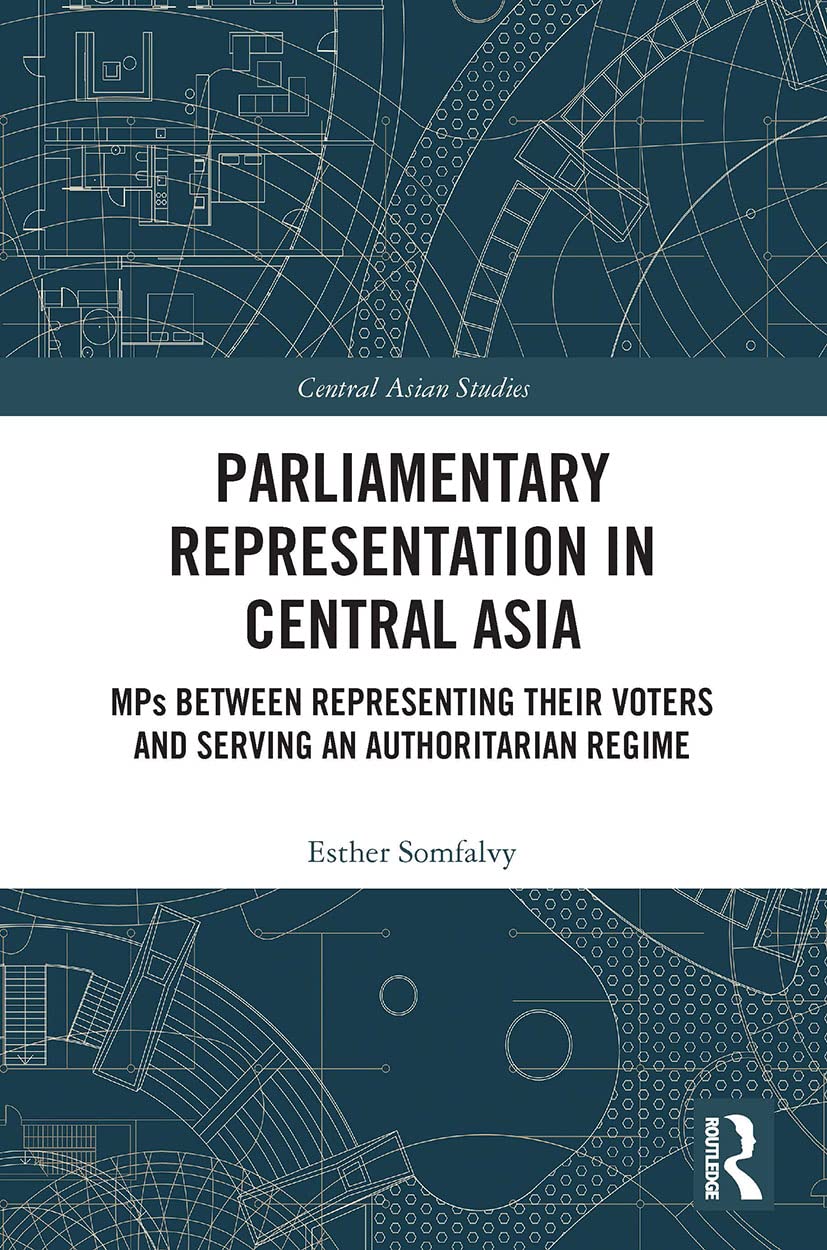
In this review of Parliamentary Representation in Central Asia, the author examines how parliaments function under autocratic regimes in Kazakhstan and the Kyrgyz Republic and why scholars and policy readers should pay attention. The book is for readers seeking a sober, evidence-based analysis of legislative politics in Central Asia; its single biggest selling point is the clear argument that even flawed or non-competitive parliaments can and do perform representative functions, sometimes in ways unintended by the regimes that create them. This review summarizes those claims and notes the book's analytical strengths.
Key Features
- Comparative focus: Offers a direct comparison between Kazakhstan and the Kyrgyz Republic to show how different autocratic structures shape parliamentary life.
- Representation argument: Demonstrates that limited parliaments still manage to represent voter concerns, revealing unexpected avenues of political expression.
- Elite-centred analysis: Explains how elites structure, manage and organize representation to foster preferred outcomes and limit dissent.
- Practical case studies: Uses specific institutional examples from both countries to illustrate how parliaments are made to appear accessible and representative.
- Concluding typology: Concludes with a useful distinction, describing Kazakhstan as more hegemonic and the Kyrgyz Republic as more competitive within autocratic spectra.
Who It's For
The book is best suited to scholars, graduate students and policy analysts interested in comparative authoritarianism, legislative studies, and Central Asian politics who want a focused account of how representation operates in constrained environments. It will also be useful to practitioners trying to understand how ostensibly weak legislatures can nonetheless channel citizen demands.
Readers seeking a general history of Central Asia, a broad survey of political economy, or a popular narrative account should look elsewhere; this work is analytic and assumes familiarity with basic concepts in political representation and regime types.
Pros & Cons
Pros
- Careful comparative design clarifies the contrast between a hegemonic and a more competitive autocracy.
- Clear focus on representation uncovers how institutions can serve citizen demands despite poor electoral competitiveness.
- Solid treatment of elite strategies explains both the incentives and limits placed on parliamentary actors.
Cons
- The book's narrow scope means readers seeking broader socio-economic context or extensive grassroots perspectives may find it limited.
Specifications
| Title | Parliamentary Representation in Central Asia |
| Series | Central Asian Studies |
| Author | Esther Somfalvy |
| Geographic focus | Kazakhstan and the Kyrgyz Republic |
| Primary themes | Parliamentary representation, autocratic regimes, elite management |
| Comparative conclusion | Kazakhstan: more hegemonic; Kyrgyz Republic: more competitive |
Our Verdict
Parliamentary Representation in Central Asia is a focused, well-argued study for readers who need a nuanced explanation of how constrained parliaments can still perform representative functions. Its comparative framing and emphasis on elite organization make it good value for specialists and analysts seeking explanatory clarity rather than broad narrative breadth.
Frequently Asked Questions
Does the book cover both Kazakhstan and Kyrgyzstan in detail?
The book specifically compares the two countries, examining institutional arrangements and elite practices in each.
Is this suitable for general readers?
It is written for an academic and policy audience; general readers without background in comparative politics may find some sections dense.
What is the main take away?
That even under flawed or non-competitive elections, parliaments can appear representative and sometimes channel voter demands in unforeseen ways.
Editor's Take
A focused, well-argued comparative study showing that even limited parliaments in Kazakhstan and the Kyrgyz Republic can represent voter concerns; best for scholars and policy analysts seeking explanatory clarity.

Recently viewed
Recently viewed products will appear here as customers browse the store.