

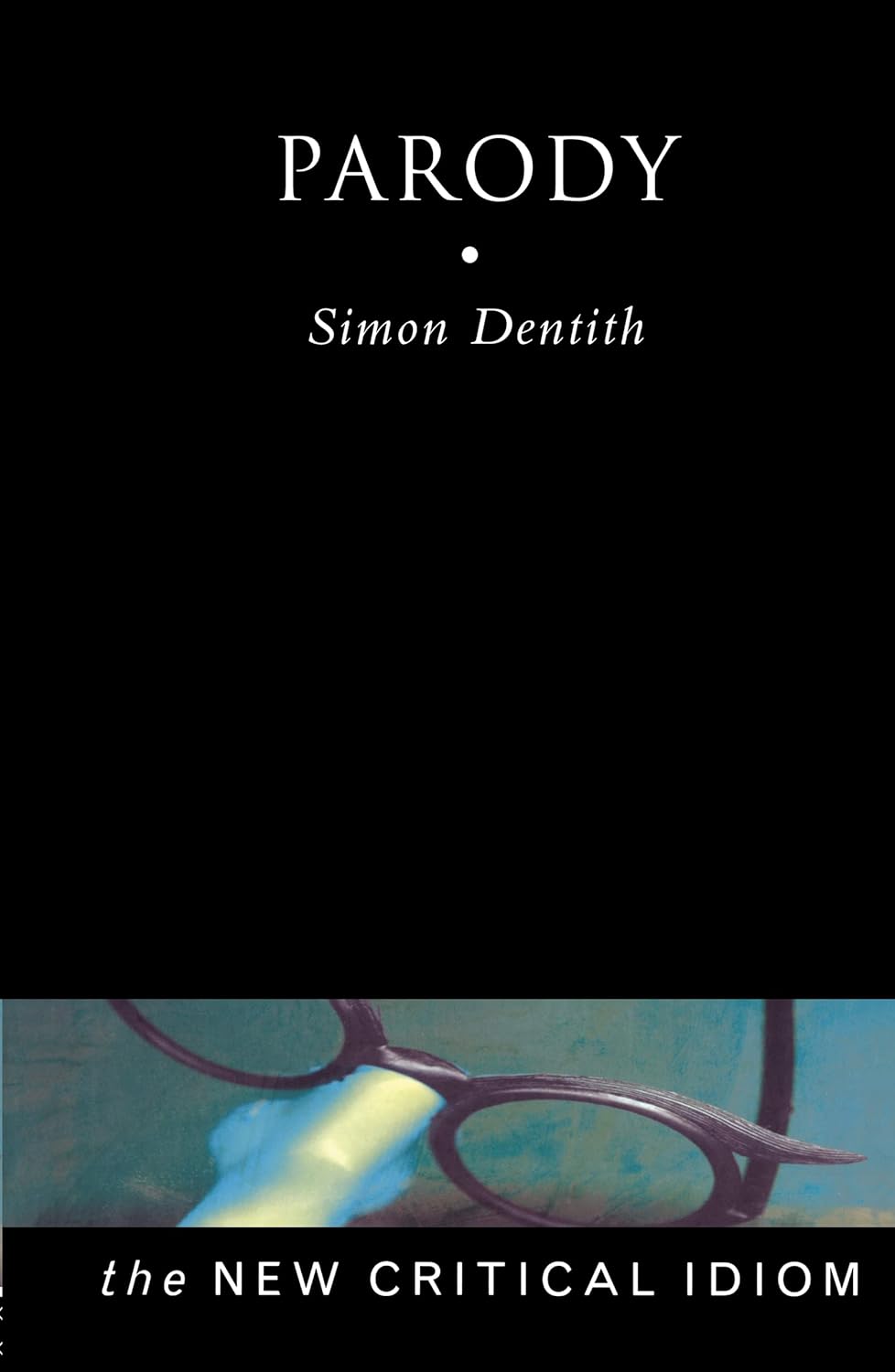
Parody (The New Critical Idiom) - Clear Guide to Parody
Parody (The New Critical Idiom) - Clear Guide to Parody
Price subject to change. Tap below for current.
Couldn't load pickup availability
In this review of Parody (The New Critical Idiom) the bottom line is simple: this concise study is for students and readers who want a clear, contextual guide to how parody functions across literature and culture. Simon Dentith writes with an eye for examples and argument, so the book's single biggest reason to buy is its accessible synthesis of parody from Aristophanes to The Simpsons, which makes a complicated topic intelligible without oversimplifying. This review focuses on how the book serves as an introduction and a reference for coursework and literary discussion.
Key Features
- Historical scope: Traces parody from ancient drama to contemporary television, giving readers a broad chronological framework.
- Cross-genre examples: Uses theatre, film, architecture and television examples to show parody's presence beyond written literature.
- Theoretical clarity: Offers clear explanations of debate points such as parody's role in postmodernism and culture wars, helping readers navigate complex critical arguments.
- Readable synthesis: Presents scholarly ideas in an accessible way so that students at different levels can follow and revisit the material.
- Cultural context: Situates parody within broader cultural debates, making it useful for courses in literature and cultural studies.
Who It's For
Parody (The New Critical Idiom) is primarily aimed at undergraduate and graduate students, instructors, and general readers who want a dependable introduction to parody as a literary and cultural practice. It is particularly useful for those studying literary history, criticism, and media studies who need a single concise source linking examples to critical debates.
Readers seeking exhaustive primary-source analysis or a handbook of performance technique may want a more specialized monograph; likewise, those expecting an extended anthology of parodic texts should look elsewhere. For an overview that balances theory with familiar cultural examples, this book is well suited.
Pros & Cons
Pros
- Broad chronological and media range helps readers understand parody across contexts.
- Accessible prose and synthesis make complex theoretical debates on postmodernism and parody readable for students.
- Useful selection of examples from Aristophanes to The Simpsons that anchor abstract points in familiar culture.
Cons
- Not a comprehensive anthology; readers wanting extensive primary texts or deep archival work will need supplemental readings.
Specifications
| Title | Parody (The New Critical Idiom) |
| Author | Professor Simon Dentith |
| Subject | Parody in literature and culture |
| Scope | Examples from Aristophanes to contemporary television and film |
| Use | Introduction and critical overview for students and instructors |
| Approach | Synthesis of history, theory, and cultural examples |
Our Verdict
Parody (The New Critical Idiom) is a concise, well-structured introduction that belongs on reading lists for literature and cultural studies courses. Its strength is in clarifying debates about parody and postmodernism while anchoring discussion in recognisable examples, so students and general readers will find it good value as a reliable guide and starting point for further study.
Frequently Asked Questions
Is this book suitable for beginners?
Yes. The book is written as an introduction and explains key ideas and debates in accessible language for students new to the topic.
Does it contain many examples from modern media?
Yes. Dentith draws on television and film examples, alongside theatre and literature, to show parody in contemporary culture.
Will this replace primary-text anthologies?
No. It provides critical overview and context rather than serving as a comprehensive anthology of parodic texts.
Editor's Take
Parody (The New Critical Idiom) is a concise, well-structured introduction that clarifies debates about parody and postmodernism while using familiar examples, making it good value for students and general readers.

Recently viewed
Recently viewed products will appear here as customers browse the store.