

Partitions: A Transnational History of Twentieth-Century Territorial
Partitions: A Transnational History of Twentieth-Century Territorial
Price subject to change. Tap below for current.
Couldn't load pickup availability
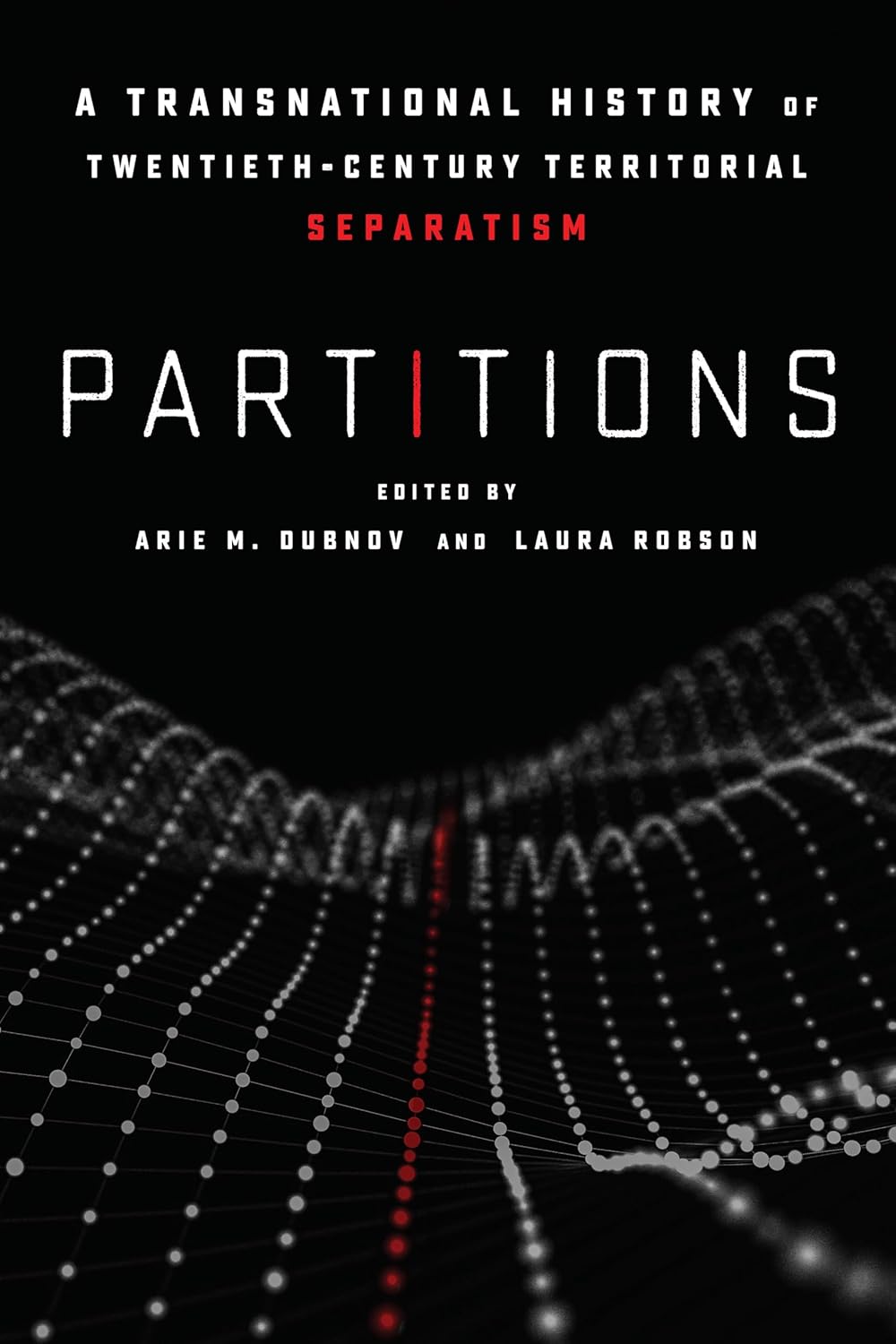
In this review of Partitions: A Transnational History of Twentieth-Century Territorial Separatism the bottom line is simple: scholars and serious readers of modern history will find a focused, comparative treatment of partition as a political instrument and consequence. The collection traces the concept from the aftermath of the First World War through the major twentieth-century cases tied to the British Empire, offering a cohesive transnational framework that links the Irish Free State, the partitions of India and Pakistan, and the creation of Israel. This review explains why the book is most valuable to readers seeking a thematic, empire-centered genealogy of territorial separatism.
Key Features
- Transnational framework: The book connects multiple twentieth-century cases under a single analytic lens, helping readers see patterns across different empires and colonial contexts.
- Historical genealogy: Contributors trace the emergence of partition in the aftermath of the First World War, clarifying how ideas evolved into political practice.
- Focus on the British Empire: By locating three major partitions within the transnational framework of the British Empire, the volume highlights institutional continuities and shared policies.
- Case-based complementarity: The chapters draw concrete links among the Irish Free State, India and Pakistan, and the State of Israel, allowing comparative insights rather than isolated narratives.
- Scholarly collaboration: As a collective history, the volume benefits from multiple expert perspectives, which broaden its interpretive scope for readers interested in decolonization and empire.
Who It's For
Historians, graduate students, and readers with a strong interest in modern political geography, decolonization, and empire will get the most from this volume. Its comparative and transnational approach suits seminar reading and scholarly reference rather than casual or popular history consumption. The critical framing of partition as both concept and practice makes it valuable for courses in twentieth-century history and international relations.
Readers seeking a narrative-driven account or a single-case deep dive might look elsewhere; this book prioritizes conceptual linkage and genealogy over exhaustive detail on any one partition. It is not a lightweight primer but a focused, academic contribution best read with some prior background in modern imperial history.
Pros & Cons
Pros
- Provides a coherent transnational history that links major twentieth-century partitions for comparative analysis.
- Highlights the role of the British Empire in shaping partition policies, offering institutional context often missing from single-case studies.
- Combines multiple scholarly perspectives, producing a richer interpretive framework than a single-author work.
Cons
- The collective format means readers seeking exhaustive, granular detail on one specific partition may find coverage more thematic than comprehensive.
Specifications
| Title | Partitions: A Transnational History of Twentieth-Century Territorial Separatism |
| Editor/Author | Arie M. Dubnov |
| Subject | History; political partitions; decolonization |
| Geographic focus | Irish Free State, India and Pakistan, State of Israel |
| Chronological focus | Twentieth century, post-First World War onward |
| Approach | Transnational, empire-centered comparative history |
Our Verdict
This volume is recommended for academic readers and informed generalists who want a comparative, empire-focused understanding of partition as a political solution and historical process. Its transnational method and case links make it a strong value for those studying decolonization and twentieth-century state formation, though readers seeking a single-case exhaustive narrative should supplement it with specialized monographs.
Frequently Asked Questions
Does this book cover multiple partitions?
Yes. It treats the Irish Free State, the partitions of India and Pakistan, and the creation of the State of Israel within a common transnational frame.
Is the focus academic or popular?
The book is scholarly and comparative, aimed primarily at academic audiences and readers with prior historical knowledge.
Does it situate partition in imperial policy?
Yes. A central feature is tracing partition's genealogy within the politics of the British Empire and decolonization.
Editor's Take
Recommended for scholars and informed readers, this comparative, empire-centered volume links major twentieth-century partitions and offers a valuable transnational framework, though it is thematic rather than an exhaustive single-case account.

Recently viewed
Recently viewed products will appear here as customers browse the store.