

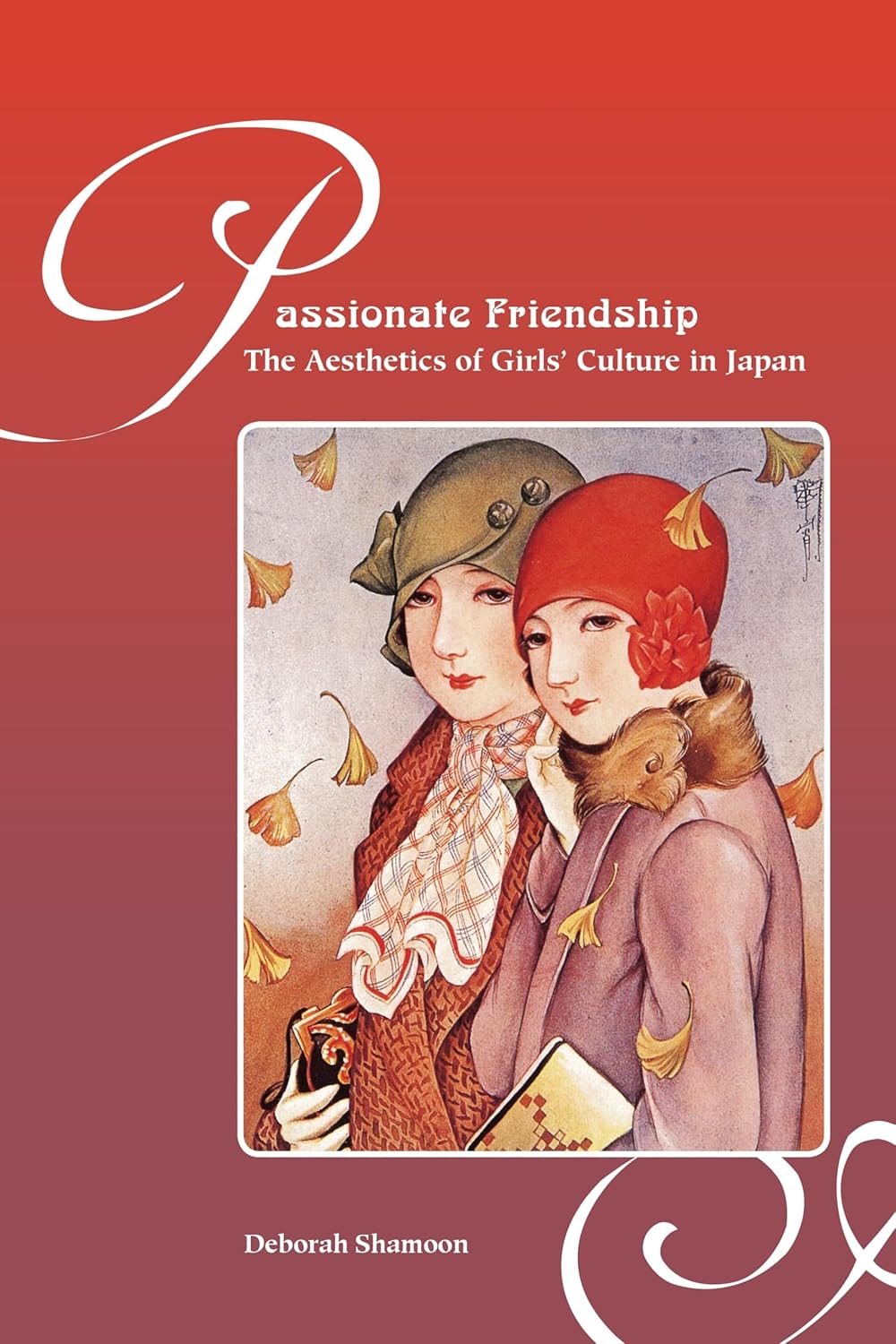
Passionate Friendship: The Aesthetics of Girls Culture in Japan
Passionate Friendship: The Aesthetics of Girls Culture in Japan
Price subject to change. Tap below for current.
Couldn't load pickup availability
In this review of Passionate Friendship: The Aesthetics of Girls Culture in Japan, the bottom line is clear: this book is an essential read for anyone studying shojo manga, gender representation, or Japanese print culture. Deborah M. Shamoon traces the genre from 1920s girls magazines through the 1970s shojo revolution, offering close readings that explain why androgynous characters and romantic friendships recur. Readers seeking a focused, historically grounded analysis will find the book's narrative and aesthetic perspectives especially illuminating.
Key Features
- Historical scope: Covers Japanese girls print culture from the 1920s and 1930s through the 1970s, providing long-term context for genre developments.
- Genre focus: Concentrates on shojo manga and girls literature, clarifying why romance comics for teenage girls developed distinctive visual and narrative traits.
- Aesthetic analysis: Examines the dense visual style of shojo manga, including flowery backgrounds and big-eyed, androgynous character design, to explain emotional tone.
- Thematic insight: Discusses the prevalence of androgynous characters and homosexual romance as recurrent elements that shaped readers' identification.
- Authoritative voice: Deborah M. Shamoon brings scholarly attention to the artists who transformed the genre during the 1970s shojo manga revolution.
Who It's For
Scholars and students of comics studies, gender studies, and Japanese cultural history will benefit most from this book, which foregrounds both visual style and social context. Fans of shojo manga who want a deeper understanding of the genre's origins and aesthetic strategies will also appreciate the careful archival and textual work.
Readers looking for a general illustrated primer or a large gallery of images should look elsewhere, since the book focuses on critical analysis and literary history rather than a coffee-table presentation. Casual fans seeking plot-by-plot guides to specific series may find the scholarly approach denser than expected.
Pros & Cons
Pros
- Thorough historical coverage that situates shojo manga within broader girls print culture.
- Clear explanation of visual tropes such as flowery backgrounds and androgynous design that shape emotional reading.
- Insightful discussion of why homosexual romance and gender ambiguity appear often in these texts.
Cons
- Primarily scholarly in tone, which may be less accessible to readers seeking light, visual-driven introductions.
Specifications
| Title | Passionate Friendship: The Aesthetics of Girls Culture in Japan |
| Author | Deborah M. Shamoon |
| Subject | Shojo manga, girls literature, visual culture |
| Time period covered | 1920s through the 1970s |
| Focus | Historical and aesthetic analysis of Japanese girls print culture |
| Key themes | Androgyny, homosexual romance, narrative and visual style |
Our Verdict
Passionate Friendship is a well-researched, focused study that rewards readers who want to understand how shojo manga developed its distinctive aesthetics and themes. Its scholarly approach makes it particularly good value for students, researchers, and committed fans seeking historical depth rather than a pictorial survey.
Frequently Asked Questions
Does the book explain why shojo characters are often androgynous?
Yes, it discusses how androgynous design and homosexual romance function within girls print culture to shape identification and emotion.
What historical period does the book cover?
The analysis ranges from 1920s and 1930s girls magazines up through the 1970s shojo manga revolution.
Is this a picture-heavy overview of shojo manga?
No, the book emphasizes critical and historical analysis rather than serving as a large-format illustrated gallery.
Editor's Take
Passionate Friendship is a focused, well-researched study that explains how shojo manga aesthetics and themes developed from the 1920s to the 1970s, ideal for scholars and committed fans.

Recently viewed
Recently viewed products will appear here as customers browse the store.