

Peace and Reconciliation in the Classical World - Scholarly
Peace and Reconciliation in the Classical World - Scholarly
Price subject to change. Tap below for current.
Couldn't load pickup availability
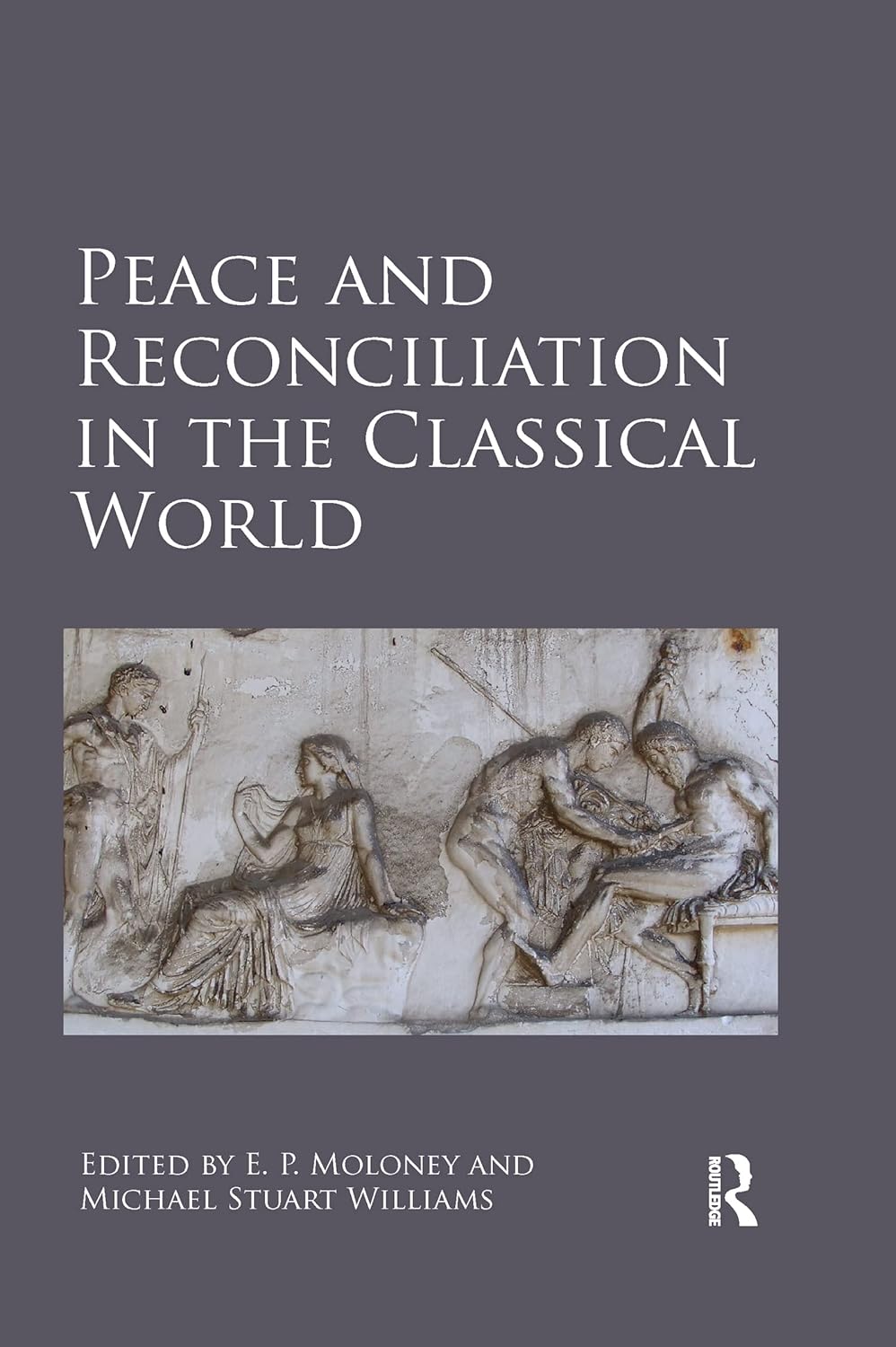
In this review of Peace and Reconciliation in the Classical World the bottom line is clear: this volume is essential for readers who want to understand how ancient societies conceived of peace as a positive ideal rather than merely the absence of war. The collection, edited by E. P. Moloney and Michael Stuart Williams, gathers scholars who trace practices of conciliation and conflict resolution from Homer to Augustine, making it a focused resource for historians, classicists, and students of political thought. Its main strength is reframing peace as an active social and political phenomenon within the classical tradition.
Key Features
- Scope: Covers a wide chronological span from Homeric epic to Augustine, which helps readers see continuity and change in ideas about peace.
- Scholarly essays: A panel of specialists offers careful case studies that illuminate practical examples of negotiation, concession, and conciliation.
- Thematic focus: Treats peace as more than the absence of war, encouraging readers to consider peace as a positive political and cultural value.
- Comparative approach: Compares theories and practice across Greek and Roman contexts, useful for comparative historians and philosophers.
- Readable scholarship: Written for a scholarly but non-specialist audience, making complex debates accessible to advanced undergraduates and general readers interested in Classical studies.
Who It's For
This book is aimed primarily at scholars, graduate students, and advanced undergraduates in Classics, ancient history, intellectual history, and political theory who need a focused treatment of peace in antiquity. It is also valuable for librarians building academic collections on ancient warfare and diplomacy, and for instructors seeking readings that challenge the standard war-centered narratives.
Readers looking for a textbook survey of Greek and Roman military history or a popular history with narrative battle accounts should look elsewhere; the volume privileges conceptual analysis and case studies of reconciliation rather than battlefield detail.
Pros & Cons
Pros
- Highlights an underexplored theme by placing peace at the center of classical political thought.
- Combines comparative essays that make connections from Homer through late antiquity, offering useful cross-period perspective.
- Contributors provide concrete examples of conflict resolution and conciliation, giving historical texture to theoretical claims.
Cons
- The collection is scholarly in tone and may be less accessible to casual readers seeking narrative-driven history.
Specifications
| Title | Peace and Reconciliation in the Classical World |
| Editors | E. P. Moloney, Michael Stuart Williams |
| Subject | Classical history, political thought, philosophy |
| Chronological range | Homer to Augustine |
| Focus | Peace as positive concept; conflict resolution and conciliation |
| Intended audience | Scholars, students, librarians |
Our Verdict
Peace and Reconciliation in the Classical World is a valuable, well-focused anthology for readers who want to rethink ancient politics with peace as an active concept. Its essays provide deliberate comparative context and concrete examples that repay careful reading, making it a good investment for academic libraries and anyone studying the intellectual history of conflict resolution in antiquity.
Frequently Asked Questions
Does this volume cover both Greek and Roman examples?
Yes, the essays compare and contrast practices and theories across Greek and Roman contexts from Homeric to late antique sources.
Is this book suitable for undergraduate coursework?
It is suitable for advanced undergraduates and graduate seminars that focus on classical political thought or the history of diplomacy, though some background in ancient history helps.
Does the book treat peace only as absence of war?
No, a central argument across the contributions is that peace should be understood as a positive social and political concept, not merely the lack of conflict.
Editor's Take
A focused, scholarly anthology that repositions peace as a positive political idea in antiquity; recommended for students, scholars, and academic libraries for its comparative essays and concrete case studies.

Recently viewed
Recently viewed products will appear here as customers browse the store.