

Peasant Women and Politics in Fascist Italy - Scholarly History
Peasant Women and Politics in Fascist Italy - Scholarly History
Price subject to change. Tap below for current.
Couldn't load pickup availability
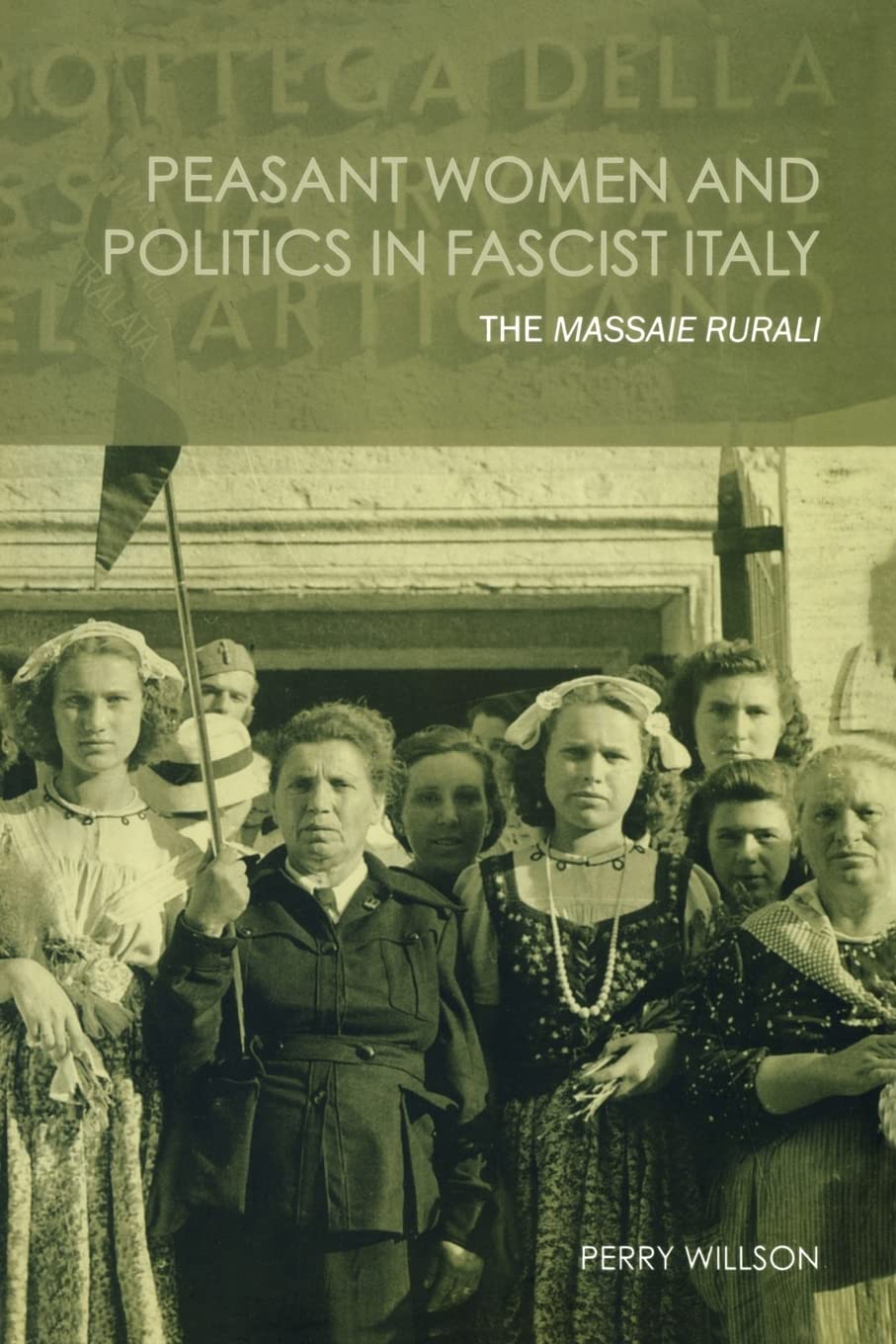
Our review of Peasant Women and Politics in Fascist Italy explains why this book matters for readers interested in gender, rural life and authoritarian politics. Perry R. Willson offers the first full history of the Massaie Rurali, the Fascist Party section that mobilized peasant women across Italy, and the book is most useful to scholars, graduate students and informed general readers who want a primary-archive informed study of how mass organizations shaped gender roles. The single biggest reason to read it is the detailed archival and press evidence that clarifies how the regime framed peasant women as both laborers and mothers.
Key Features
- First full history: Presents the Massaie Rurali as a cohesive organization with membership and programs, offering a narrative not previously available in one place.
- Archival research: Draws on a wide range of archives and contemporary press sources to ground claims in primary evidence.
- Social context: Situates peasant women within broader rural poverty and heavy workloads, showing the gap between lived experience and Fascist propaganda.
- Political analysis: Explores the role of the section in nation-building and ruralization campaigns, clarifying its importance to regime strategy.
- Class and gender dynamics: Investigates how class position and gender expectations shaped participation and representation in the Massaie Rurali.
- Accessible prose: Written for an academic and educated public audience, making archival findings readable for non-specialists.
Who It's For
This book is ideal for historians of modern Italy, students of Fascism and scholars of gender and rural studies who need a well-documented case study of mass organization and women's roles under authoritarian rule. It will also serve libraries and instructors assembling reading lists on European interwar politics.
Readers seeking a popular narrative or a biography will find this more scholarly and archival than anecdotal; those wanting a comparative survey across multiple regimes should supplement this focused study with broader works on mass mobilization.
Pros & Cons
Pros
- Comprehensive archival basis that strengthens claims about the Massaie Rurali and their reach.
- Clear linkage of rural poverty and gendered expectations to state propaganda and policy.
- Illuminates the scale of mobilization, noting the section's millions of members by 1943.
Cons
- Focused academic approach may be dense for casual readers seeking lighter narrative history.
Specifications
| Title | Peasant Women and Politics in Fascist Italy: The Massaie Rurali |
| Author | Perry R. Willson |
| Subject | History of Fascist Italy, gender, rural politics |
| Scope | Study of the Massaie Rurali and their role in nation-building and ruralization |
| Sources | Archival records and contemporary press sources |
| Notable finding | Section reached about three million members by 1943 |
Our Verdict
Perry R. Willson's study is a valuable, archival-driven contribution for anyone studying Italian Fascism, gender or rural society; it offers strong documentary support and clear analysis, making it good value for academic readers and libraries seeking a focused monograph on mass mobilization and peasant women's roles.
Frequently Asked Questions
Does this book rely on original documents?
Yes. The author uses a wide range of archival and contemporary press sources to build the narrative.
Is this suitable for general readers?
It is readable for educated general readers, but its scholarly focus and archival detail suit students and researchers best.
What is the main focus of the book?
The book focuses on the Massaie Rurali, the Fascist Party section for peasant women, and its role in the regime's nation-building and ruralization efforts.
Editor's Take
Perry R. Willson's archival study offers a focused, well-documented account of the Massaie Rurali and their role in Fascist Italy, making it essential for scholars of gender, rural society and authoritarian politics.

Recently viewed
Recently viewed products will appear here as customers browse the store.