

Pharmaceutical Microscopy - Practical Techniques for Drug Development
Pharmaceutical Microscopy - Practical Techniques for Drug Development
Price subject to change. Tap below for current.
Couldn't load pickup availability
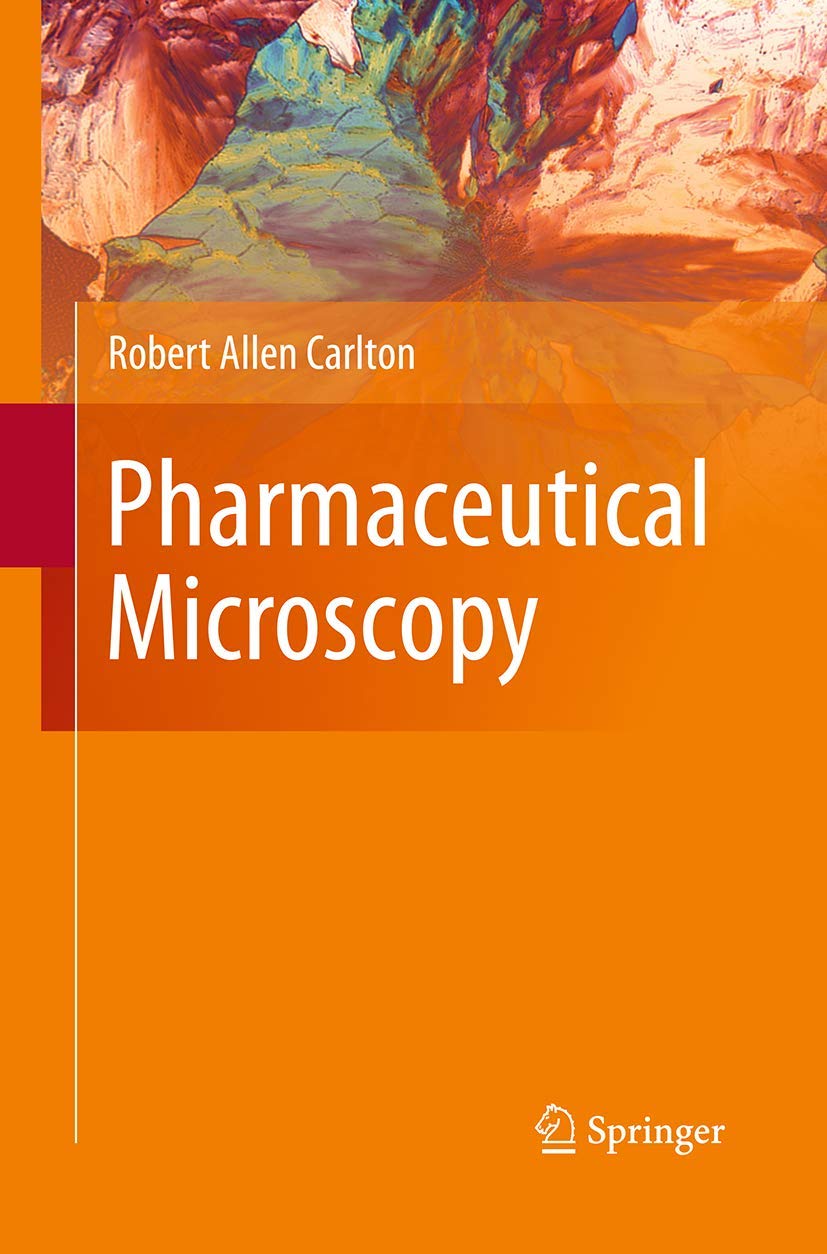
In this review of Pharmaceutical Microscopy, the book is presented as a practical, method-focused resource for scientists and technicians involved in drug development. The single biggest reason to buy is its clear emphasis on how optical, thermal, and electron microscopy techniques apply directly to pharmaceutical problems, making it useful as a laboratory reference. The review highlights that the text organizes both general methods and targeted applications, which helps readers bridge fundamental instrumentation with real-world issues like polymorphism, particle characterization, and contaminant identification.
Key Features
- Comprehensive technique coverage: Discusses optical crystallography, thermal microscopy, and scanning electron microscopy so readers can compare complementary imaging approaches.
- Analytical methods included: Presents energy dispersive x-ray spectrometry and microspectroscopy (infrared and Raman) to aid in material identification and chemical analysis.
- Particle analysis guidance: Explains particle size and shape measurement by image analysis to support formulation and bioavailability studies.
- Application-driven sections: Applies methods to pharmaceutical topics such as polymorphism and contaminant identification, which helps translate technique into practice.
- Focus on physical sciences: Emphasizes the physical science aspects of microscopy for those studying material properties and solid-state behavior.
Who It's For
Pharmaceutical Microscopy is best suited to pharmaceutical scientists, analytical chemists, and microscopy technicians who need a field-oriented reference that connects instruments and methods to drug development problems. Graduate students in pharmaceutics or materials science will also find the method descriptions and applications helpful when designing experiments or interpreting microscopy data.
Readers looking for a vendor-neutral, technique-centered manual will appreciate this title; however, those seeking basic introductory microscopy for general biology or a beginner textbook with extensive step-by-step lab exercises should look elsewhere. The book assumes some familiarity with instrumentation and analytical thinking.
Pros & Cons
Pros
- Broad coverage of imaging and spectroscopic techniques useful across many pharmaceutical tasks.
- Application examples that make it easier to apply methods to polymorphism and contaminant problems.
- Clear emphasis on practical, physical science aspects that aid in interpreting material behavior.
Cons
- Not a basic primer for absolute beginners; assumes some prior knowledge of microscopy concepts.
Specifications
| Title | Pharmaceutical Microscopy |
| Author | Robert Allen Carlton |
| Scope | Techniques and applications in drug development |
| Techniques Covered | Optical crystallography, thermal microscopy, SEM, EDX, microspectroscopy |
| Applications | Polymorphism, particle size and shape, contaminant identification |
| Focus | Physical science aspects of microscopy |
Our Verdict
Pharmaceutical Microscopy is a useful, application-focused reference for professionals and advanced students who need to connect microscopy techniques with pharmaceutical problems. It offers broad technique coverage and practical examples that make it good value for laboratory scientists who must identify polymorphs, analyze particle morphology, or trace contaminants. Those needing an introductory textbook with stepwise lab protocols may prefer a different title.
Frequently Asked Questions
Does this book cover spectroscopic methods?
Yes; it includes microspectroscopy techniques such as infrared and Raman alongside imaging methods.
Is it suitable for beginners?
It is more appropriate for readers with some microscopy or analytical background rather than complete beginners.
Will it help with particle analysis?
Yes; the book discusses particle size and shape measurement by image analysis and applies these methods to formulation issues.
Editor's Take
Pharmaceutical Microscopy is a practical, application-focused reference that connects imaging and spectroscopic techniques to pharmaceutical problems, making it valuable for lab scientists and advanced students working on polymorphism, particle analysis, and contaminant identification.

Recently viewed
Recently viewed products will appear here as customers browse the store.