

Philosophical Linguistics and Semiotics - Phenomenology Focus
Philosophical Linguistics and Semiotics - Phenomenology Focus
Price subject to change. Tap below for current.
Couldn't load pickup availability
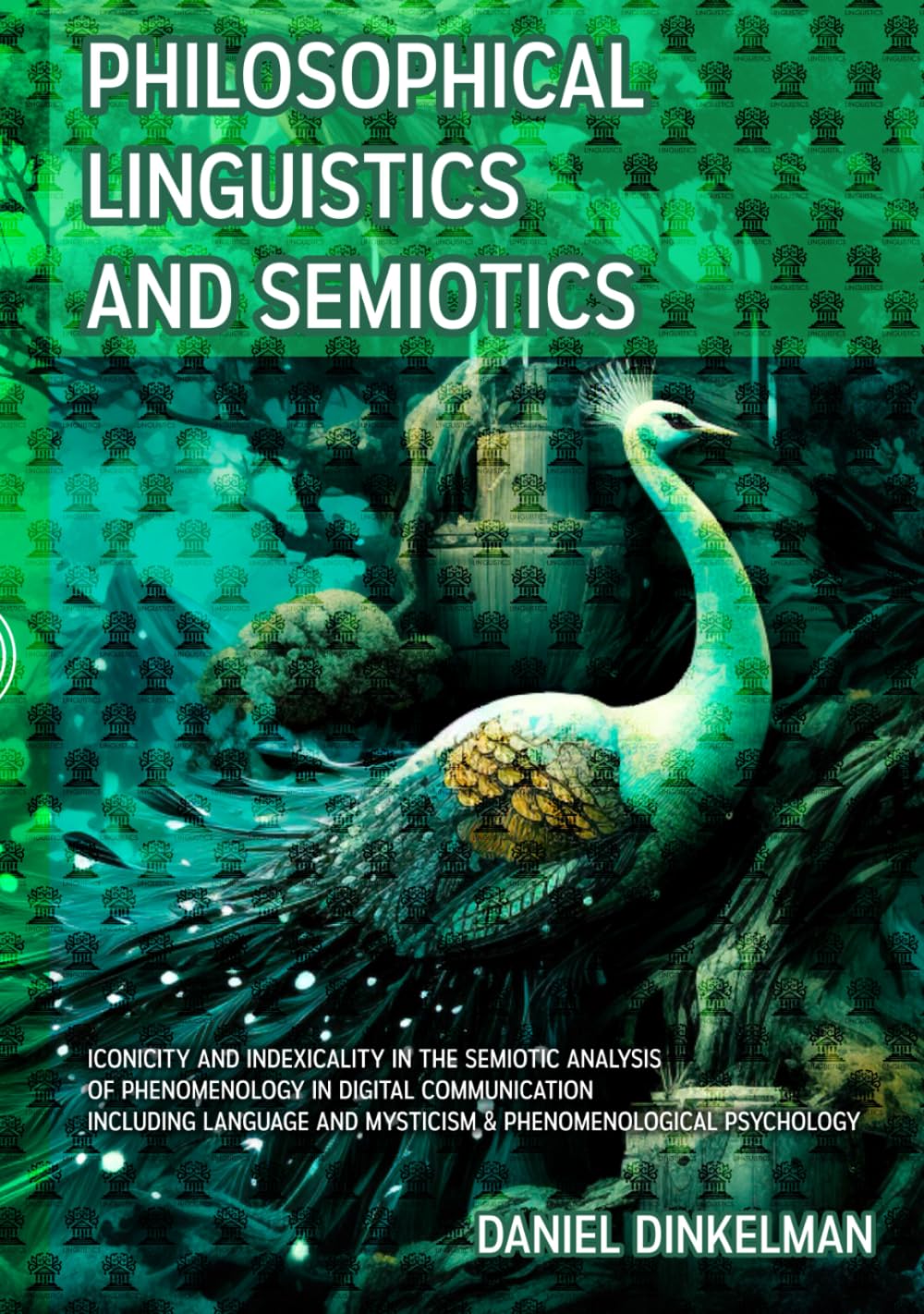
In this review the author examines Philosophical Linguistics and Semiotics as a rigorous, interdisciplinary survey aimed at readers who want a deep account of how language and signs shape consciousness. The book is best for graduate students, researchers, and thoughtful general readers who appreciate dense theoretical work; its single biggest appeal is the way it ties phenomenology to contemporary concerns in digital communication and mysticism, offering sustained analysis rather than a light introduction.
Key Features
- Interdisciplinary scope: The text synthesizes insights from phenomenology, hermeneutics, and metaphysics to show how linguistic structures influence perception and being.
- Semiotic focus: It emphasizes the roles of iconicity and indexicality in sign systems, helping readers trace how signs create and transform meaning.
- Digital communication analysis: The book applies philosophical linguistics to contemporary media, clarifying how digital signs reshape cultural consciousness.
- Mysticism and psychology link: By bringing mysticism and phenomenological psychology into the conversation, the work explores nonstandard domains where language and experience intersect.
- Scholarly survey: The volume provides an intensive survey of foundational theories and debates, useful as a reference for advanced study.
Who It's For
This book suits advanced undergraduates, graduate students, and scholars in philosophy, linguistics, semiotics, or media studies who need a substantive, theoretically rich treatment of how language structures perception and culture. Its attention to both classical theory and digital contexts makes it useful for researchers tracing long trajectories from phenomenology to online communication.
Readers seeking a brief primer or a highly accessible popular treatment should look elsewhere; the prose and conceptual density assume familiarity with philosophical terminology and prior exposure to phenomenological or semiotic debates.
Pros & Cons
Pros
- Wide-ranging synthesis connects linguistic theory and semiotic analysis across traditions.
- Focus on iconicity and indexicality clarifies technical aspects of sign function and meaning-making.
- Application to digital communication keeps classical theory relevant to contemporary media environments.
Cons
- Dense, academic style makes it a challenging read for casual audiences unfamiliar with phenomenology.
Specifications
| Title | Philosophical Linguistics and Semiotics: Iconicity and Indexicality in the Semiotic Analysis of Phenomenology in Digital Communication Including Language and Mysticism & Phenomenological Psychology |
| Author | Daniel Dinkelman |
| Subjects | Philosophy; Phenomenology; Semiotics; Linguistics; Digital Communication |
| Approach | Interdisciplinary survey combining phenomenology and semiotic theory |
| Primary themes | Iconicity, Indexicality, Language, Mysticism, Phenomenological Psychology |
Our Verdict
For readers prepared for dense theoretical work, this volume is a rewarding bridge between classical phenomenology and contemporary semiotic concerns in digital media. It is good value for scholars and students who need a comprehensive, concept-driven resource that links linguistic structure to cultural and psychic experience.
Frequently Asked Questions
Is this book suitable for beginners?
It is best for readers with some background in philosophy or semiotics rather than complete beginners due to its conceptual depth.
Does the book address modern digital media?
Yes, it explicitly applies semiotic and phenomenological ideas to digital communication and how online signs shape perception.
Who is the author?
The work is by Daniel Dinkelman, who frames the study around intersections of language, mysticism, and phenomenological psychology.
Editor's Take
This volume rewards readers prepared for dense theoretical work by linking phenomenology and semiotics to digital communication and mysticism, making it a strong resource for scholars and advanced students.

Recently viewed
Recently viewed products will appear here as customers browse the store.