

Philosophy of the Arts - Accessible Introduction to Aesthetics
Philosophy of the Arts - Accessible Introduction to Aesthetics
Price subject to change. Tap below for current.
Couldn't load pickup availability
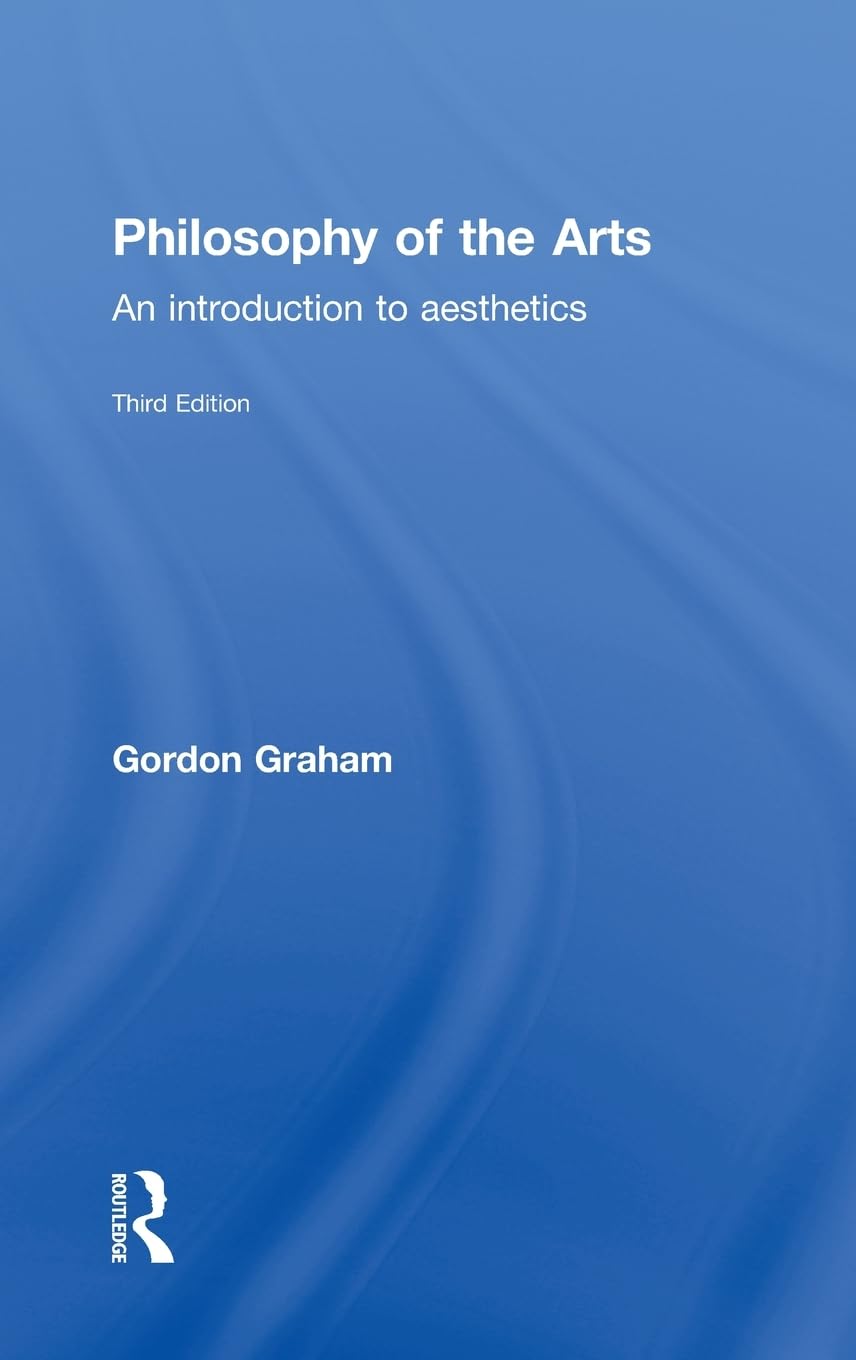
In this review of Philosophy of the Arts, the third edition proves itself a solid introduction for readers encountering aesthetics and the philosophy of art for the first time. Gordon Graham keeps the prose jargon-free and approachable while expanding the book with new sections on art and beauty, modern art, Aristotle and katharsis, and Hegel, so the single biggest reason to buy is its balance of clarity and updated, wider-ranging content that serves both humanities students and curious general readers.
Key Features
- Clear introductions: Each chapter explains complex thinkers in straightforward language so newcomers can follow debates without prior technical background.
- Updated content: New sections on modern art, Hegel, Aristotle and katharsis broaden historical coverage and bring current concerns into the text.
- Wide range of arts: Discussion spans film, painting, architecture, fiction, music and poetry to show how aesthetic ideas apply across media.
- Guided learning: Regular summaries and suggestions for further reading help students prepare for seminars and exams and guide independent study.
- Theoretical variety: Coverage of Hume, Kant, Collingwood, Croce, Derrida and others exposes readers to multiple philosophical approaches rather than a single partisan view.
Who It's For
Philosophy of the Arts is best for undergraduate students in philosophy, art history, music or literature departments who need a readable, course-friendly introduction to aesthetics. It will also appeal to general readers who want a conceptual tour of how philosophers have thought about art and beauty without wading through specialist jargon.
Readers seeking an exhaustive, heavily technical textbook or a specialist monograph on a single artist or movement should look elsewhere; this book prioritizes breadth and clarity over exhaustive archival detail or dense theoretical formalism.
Pros & Cons
Pros
- Jargon-free explanations make difficult ideas accessible to beginners.
- Expanded chapters on modern art and classical topics provide updated context and wider coverage.
- Applies theory across many art forms so readers see practical relevance to film, music and literature.
Cons
- Not a specialist reference for researchers needing deep archival or technical analysis.
Specifications
| Title | Philosophy of the Arts |
| Author | Gordon Graham |
| Edition | Third edition |
| Subject areas | Aesthetics, philosophy of art, art theory |
| Coverage | Film, painting, architecture, fiction, music, poetry |
| Features | New sections on art and beauty, modern art, Aristotle and Hegel; summaries and further reading |
Our Verdict
Philosophy of the Arts is a thoughtful, well-updated introductory text that offers strong value to students and interested readers who want clear, broad coverage of aesthetics across media. Its accessible tone and expanded material on key figures make it a reliable first course text, though specialists should supplement it with focused monographs for deep research.
Frequently Asked Questions
Is this book suitable for beginners?
Yes. The writing is deliberately jargon-free and arranged to introduce key thinkers and issues for newcomers.
Does it cover contemporary art and theory?
Yes. The third edition adds new sections on modern art and expands discussions of relevant philosophers to include contemporary concerns.
Is this a textbook for courses?
It works well as an undergraduate course text with chapter summaries and further reading suggestions, though graduate seminars may need additional specialist readings.
Editor's Take
Philosophy of the Arts is a clear, well-updated introductory text ideal for undergraduates and curious readers; its accessible tone and expanded coverage make it strong value for those learning aesthetics.

Recently viewed
Recently viewed products will appear here as customers browse the store.