

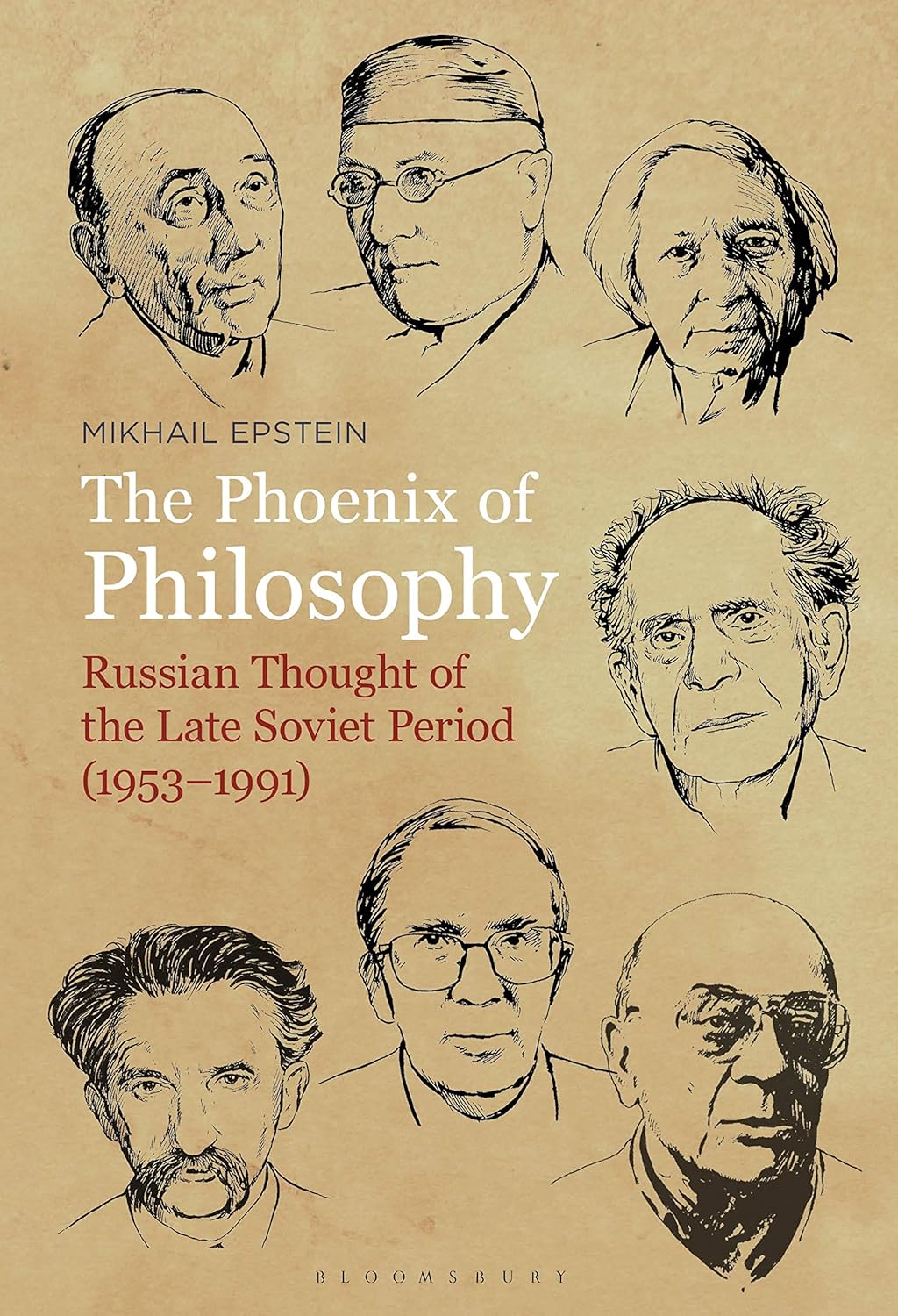
Phoenix of Philosophy: Russian Thought of the Late Soviet Period
Phoenix of Philosophy: Russian Thought of the Late Soviet Period
Price subject to change. Tap below for current.
Couldn't load pickup availability
In this review of Phoenix of Philosophy, Mikhail Epstein offers a comprehensive reassessment of Russian intellectual life from 1953 to 1991 that will matter to serious readers of modern thought. The bottom line: this is an essential, scholarly survey for anyone seeking a systematic account of late Soviet intellectual currents because Epstein stitches together previously marginalized trends into a coherent narrative. The book refuses the myth of an intellectual vacuum and instead maps movements such as Russian liberalism and culturology with archival sensitivity and cultural insight.
Key Features
- Comprehensive historical scope: The narrative traces developments across the late Soviet period, providing readers with a continuous account from 1953 to 1991 that clarifies intellectual shifts over decades.
- Thematic breadth: Epstein examines diverse trends including personalism, structuralism, and neorationalism so readers gain exposure to multiple strands of Russian thought rather than a single-school account.
- Counterintuitive thesis: The work challenges the conventional view of an intellectual wilderness by documenting active schools and debates that persisted under Soviet conditions.
- Scholarly synthesis: Epstein synthesizes literature, philosophy, and cultural studies to show how ideas interacted with social and political pressures in the Soviet context.
- Reappraisal prompt: The book urges a reexamination of longstanding assumptions, offering productive lines for further research in intellectual history and cultural criticism.
Who It's For
This book is most valuable for graduate students, historians of ideas, and readers of Russian philosophy and culture who want a structured, scholarly account rather than anecdotal snapshots. Epstein writes for those willing to follow dense argumentation and to engage with specialized terms from intellectual history.
Readers seeking a light popular overview or a brief introduction to Soviet politics should look elsewhere; the book is not a simple primer but a detailed scholarly study that rewards careful reading and prior familiarity with mid 20th century intellectual debates.
Pros & Cons
Pros
- Provides a rare, systematic survey of late Soviet thought that connects disparate movements into a coherent framework.
- Highlights neglected areas such as personalism and neorationalism, broadening the map of Russian intellectual life.
- Written by an established theoretician, offering informed interpretation and critical authority.
Cons
- The density and scholarly tone make it less accessible to casual readers or those new to the subject.
Specifications
| Title | Phoenix of Philosophy, The: Russian Thought of the Late Soviet Period (1953-1991) |
| Author / Brand | Mikhail Epstein |
| Subject focus | Russian philosophy, culture and intellectual movements of the late Soviet era |
| Chronological coverage | 1953 - 1991 |
| Approach | Scholarly synthesis of literature, philosophy, and culturology |
| Intended audience | Scholars, graduate students, and serious readers of Russian thought |
Our Verdict
Phoenix of Philosophy is a rigorous and rewarding work for readers who want a full, historically grounded portrait of late Soviet intellectual life. Scholars and advanced students will find it excellent value for its breadth and argumentative thrust, while casual readers should be prepared for dense, academic prose. Overall, it successfully reframes familiar assumptions and opens new directions for research in Russian culture.
Frequently Asked Questions
Does the book cover specific thinkers?
The book surveys multiple schools and debates rather than focusing narrowly on a single thinker, so it places individual authors within broader movements.
Is this suitable for undergraduate courses?
Advanced undergraduates with background in 20th century history or literary studies may benefit, but the book is best suited to graduate seminars and specialized reading lists.
Does it argue the Soviet era lacked intellectual life?
No. Epstein argues against that position, documenting active currents such as structuralism and liberal thought that complicate the notion of an intellectual vacuum.
Editor's Take
Phoenix of Philosophy is a rigorous, scholarly reassessment of late Soviet intellectual life that reframes assumptions and is excellent value for researchers and advanced students.

Recently viewed
Recently viewed products will appear here as customers browse the store.