

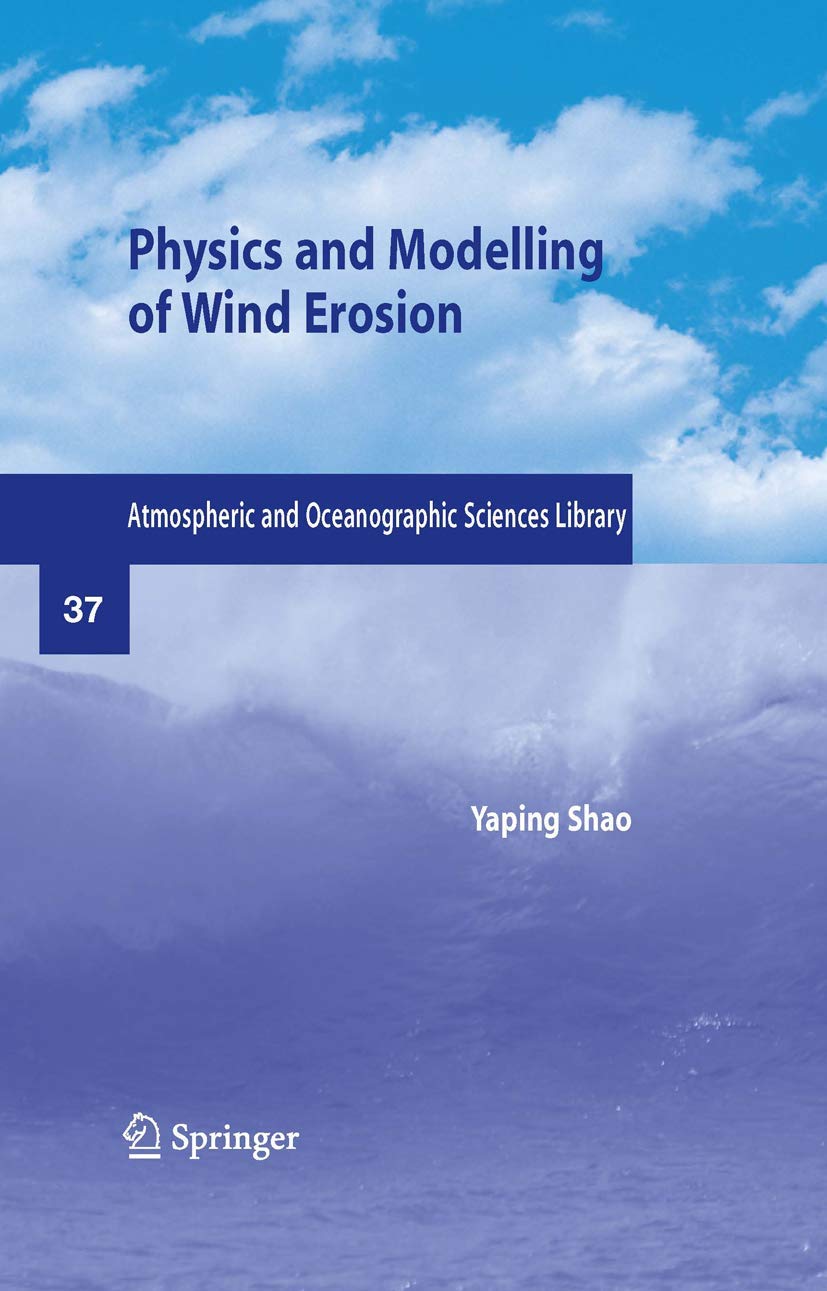
Physics and Modelling of Wind Erosion - In-depth Yaping
Physics and Modelling of Wind Erosion - In-depth Yaping
Price subject to change. Tap below for current.
Couldn't load pickup availability
In this review of Physics and Modelling of Wind Erosion the reviewer finds a focused academic resource aimed at readers who need a rigorous, multidisciplinary treatment of dust generation and land degradation. The book's single biggest reason to buy is its thorough explanation of how atmospheric, soil and land-surface processes interact to produce wind erosion and dust emission, which makes it valuable for researchers and advanced students seeking a clear, physics-based synthesis rather than a short practical manual.
Key Features
- Multidisciplinary focus: Explains how meteorology, fluid dynamics and soil physics interrelate, helping readers connect theory across fields.
- Environmental emphasis: Details the role of wind erosion in land degradation and air quality so practitioners can assess environmental impacts.
- Dust and climate link: Describes how dust emission influences atmospheric radiation balance, useful for climate modelers and atmospheric scientists.
- Event context: Covers strong wind-erosion events like severe dust storms, which clarifies risks to human safety and economic activity.
- Research-oriented text: Provides a physics-centered account rather than a step-by-step field guide, which supports graduate study and literature review.
Who It's For
The book is best suited to graduate students, researchers and professionals in atmospheric sciences, environmental engineering and related fields who need a detailed, physics-based perspective on wind erosion and dust emission. It is particularly relevant for those working on climate interactions, air quality assessment or land degradation modeling.
Readers seeking a practical handbook for fieldwork, simple mitigation checklists, or a brief introductory summary should look elsewhere; this text assumes familiarity with core concepts in fluid dynamics and soil science and leans toward theoretical and modeling approaches.
Pros & Cons
Pros
- Comprehensive treatment of the physical mechanisms behind wind erosion and dust emission.
- Clear connection between wind erosion and larger atmospheric processes, aiding climate-related research.
- Useful discussion of severe wind-erosion events and their environmental and economic consequences.
Cons
- The material is research-focused and may be dense for readers without prior coursework in fluid dynamics or soil physics.
Specifications
| Title | Physics and Modelling of Wind Erosion |
| Series | Atmospheric and Oceanographic Sciences Library, 37 |
| Author / Brand | Yaping Shao |
| Scope | Wind erosion, dust emission, atmospheric interactions |
| Approach | Multidisciplinary physics and modelling |
| Primary topics | Land degradation, air quality, dust-climate links |
Our Verdict
Physics and Modelling of Wind Erosion is a solid, research-oriented resource for advanced students and professionals who need a physics-based synthesis of wind erosion and dust processes. It is good value for those focused on modeling, atmospheric impacts or environmental assessment, while casual readers or field technicians may find it overly theoretical.
Frequently Asked Questions
Does this book cover climate impacts of dust?
Yes, it discusses how dust emission influences the atmospheric radiation balance and potential climate variations.
Is this suitable for beginners?
Not ideal for complete beginners; the text assumes familiarity with meteorology and basic fluid and soil physics.
Who is the author?
The book is by Yaping Shao and is part of the Atmospheric and Oceanographic Sciences Library series.
Editor's Take
A research-oriented, physics-based synthesis of wind erosion and dust emission that is ideal for graduate students and professionals focused on modeling and atmospheric impacts; not a practical field guide.

Recently viewed
Recently viewed products will appear here as customers browse the store.