

PICTURE CHINESE: The Six Methods of Building Chinese Words
PICTURE CHINESE: The Six Methods of Building Chinese Words
Price subject to change. Tap below for current.
Couldn't load pickup availability
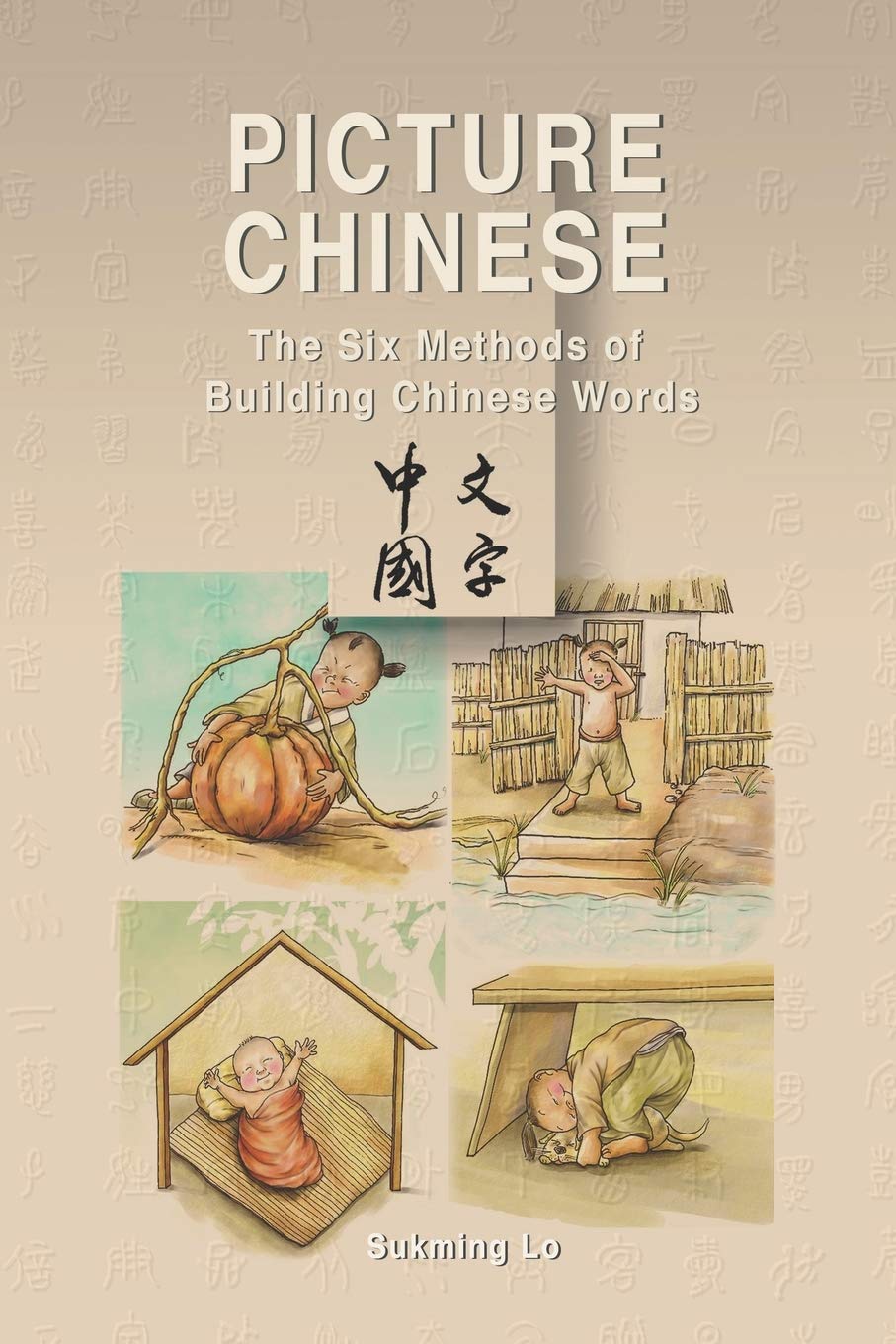
In this review of PICTURE CHINESE: The Six Methods of Building Chinese Words, the bottom line is simple: this book is for learners and enthusiasts who want to understand Chinese characters from their visual and historical roots. Sukming Lo uses 305 example characters to reveal original meanings, present senses and extended meanings, showing how characters are built and why they look the way they do. The book reads like a compact classroom on character composition, and the reviewer found its pictorial approach effective for building a sturdy foundation in Chinese characters without turning to rote memorization.
Key Features
- Pictorial explanations: Each entry uses images and visual description to make the character origins and meanings easier to remember and visualize.
- 305 example characters: A focused selection of characters offers a practical cross-section for studying common composition methods and semantic shifts.
- Original to extended meanings: Entries trace how a character's meaning developed, helping readers predict and understand related words.
- Composition analysis: The book breaks down building methods so readers can recognize patterns and construct new characters from components.
- Academic presence: First published in 2006, it is held in university and public libraries internationally, indicating lasting reference value.
Who It's For
Students of written Chinese, teachers looking for visual aids, and self-learners who prefer understanding roots over memorizing form will get the most from this work. The pictorial, analytic approach supports building a reliable foundation in character composition that benefits long-term reading and vocabulary acquisition.
Those seeking a modern textbook with exercises, audio pronunciation, or a comprehensive dictionary should look elsewhere; this book focuses on historical meanings and visual building methods rather than drills or multimedia support.
Pros & Cons
Pros
- Clear visual explanations make etymology and meaning shifts accessible to learners.
- Concentrated set of 305 characters provides depth without being overwhelming.
- The analytical method helps readers see how characters are constructed and connected.
Cons
- Not a practice workbook; it lacks exercises or audio to reinforce learning.
Specifications
| Title | PICTURE CHINESE: The Six Methods of Building Chinese Words |
| Author / Brand | Sukming Lo |
| Content focus | Character origins, meanings, and composition methods |
| Examples included | 305 characters |
| First published | 2006 |
| Library presence | Holds in university and public libraries internationally |
Our Verdict
PICTURE CHINESE is a well-focused visual reference for anyone serious about understanding how Chinese characters are formed and how their meanings evolved. It offers good value as a conceptual bridge between etymology and practical reading; pick it if you want to deepen your knowledge of Chinese character building rather than chase pronunciation drills or multimedia practice.
Frequently Asked Questions
Does the book teach pronunciation?
The focus is on meanings and composition; pronunciation and audio are not a primary part of this work.
Is it suitable for beginners?
Yes for beginners who want conceptual grounding in characters, but those needing lots of drills may prefer a supplementary workbook.
How many characters are covered?
The book uses 305 characters as examples to illustrate the six methods of building words.
Editor's Take
PICTURE CHINESE is a focused visual reference that explains how Chinese characters are built and how meanings evolved, making it valuable for learners who want conceptual depth rather than drills.

Recently viewed
Recently viewed products will appear here as customers browse the store.