

Planewaves, Pseudopotentials, and the LAPW Method - Practical LAPW
Planewaves, Pseudopotentials, and the LAPW Method - Practical LAPW
Price subject to change. Tap below for current.
Couldn't load pickup availability
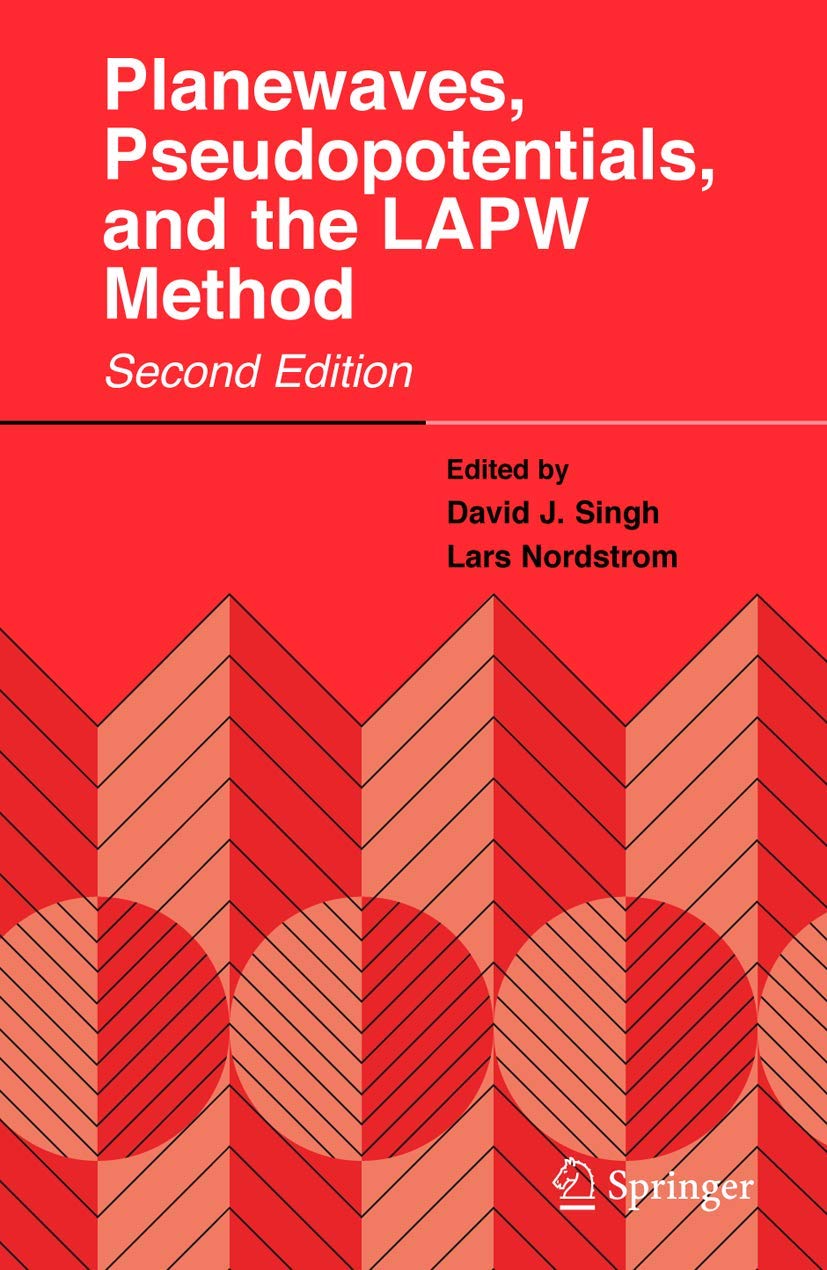
In this review of Planewaves, Pseudopotentials, and the LAPW Method the authors deliver a focused, historically aware treatment aimed at researchers and graduate students working with first principles electronic structure methods. The book's biggest reason to buy is its clear exposition of how the LAPW method relates to planewave and pseudopotential approaches, making it useful for anyone trying to understand method choice and implementation details in condensed matter physics and materials science. The tone is scholarly and informative, suited to readers seeking depth rather than a quick tutorial.
Key Features
- Historical perspective: The book explains the evolution of the LAPW method since its original use by specialist researchers, helping readers place modern implementations in context.
- Method comparison: Discussion of the relationship between LAPW and planewave pseudopotential methods clarifies tradeoffs for practical electronic structure work.
- Practical focus: Emphasis on standard codes and wider adoption shows how LAPW moved from bespoke implementations to broadly used tools for materials investigations.
- Audience-appropriate depth: The level of exposition suits graduate students and active researchers who need more than conceptual overviews but less than raw code listings.
- Impact on materials research: Coverage highlights how broader LAPW use accelerates first principles studies across condensed matter and materials science.
Who It's For
The book is best for graduate students, postdocs, and researchers in condensed matter physics or materials science who already have some background in electronic structure and want a rigorous discussion of method relationships and implementation considerations. It is particularly valuable to those deciding between LAPW and planewave pseudopotential approaches for material-specific studies.
Those looking for a beginner textbook or a hands-on programming manual with extensive code examples should look elsewhere; this edition concentrates on exposition and conceptual connections rather than step-by-step coding tutorials.
Pros & Cons
Pros
- Provides a clear comparative treatment of LAPW and planewave pseudopotential methods useful for method selection.
- Places the LAPW method in historical and practical context, showing its transition to mainstream use.
- Written at an appropriate technical level for advanced students and practicing researchers.
- Highlights the practical impact of wider LAPW adoption on materials science research.
Cons
- Not a step-by-step coding guide; readers seeking extensive implementation code will need supplemental resources.
- Material presumes prior familiarity with electronic structure concepts and may be dense for novices.
Specifications
| Title | Planewaves, Pseudopotentials, and the LAPW Method |
| Authors | David J. Singh, Lars Nordstrom |
| Edition (original) | First edition described (1994) |
| Subject focus | LAPW method and relation to planewave/pseudopotential approaches |
| Audience | Researchers and graduate students in materials science and condensed matter physics |
| Scope | Exposition of method, historical context, and practical adoption trends |
Our Verdict
Planewaves, Pseudopotentials, and the LAPW Method is a solid, well-argued resource for those who need a rigorous understanding of where LAPW fits among first principles methods. It offers good value to researchers and advanced students deciding on computational approaches, though readers seeking beginner instruction or extensive code examples will want complementary materials.
Frequently Asked Questions
Does this book explain the difference between LAPW and planewave methods?
Yes; the text explicitly compares LAPW with planewave pseudopotential approaches and discusses tradeoffs and practical implications.
Is it suitable for beginners with no prior electronic structure background?
Not ideally; the book presumes some familiarity with electronic structure concepts and is better suited to advanced students and researchers.
Does the book include implementation code or tutorials?
No; the focus is on exposition and method relationships rather than providing step-by-step programming tutorials.
Editor's Take
A rigorous, context-rich resource that compares LAPW and planewave pseudopotential methods; ideal for researchers and advanced students seeking method-level understanding though not a coding tutorial.

Recently viewed
Recently viewed products will appear here as customers browse the store.