

Plant Secondary Metabolites, Volume Three - Environmental Stress
Plant Secondary Metabolites, Volume Three - Environmental Stress
Price subject to change. Tap below for current.
Couldn't load pickup availability
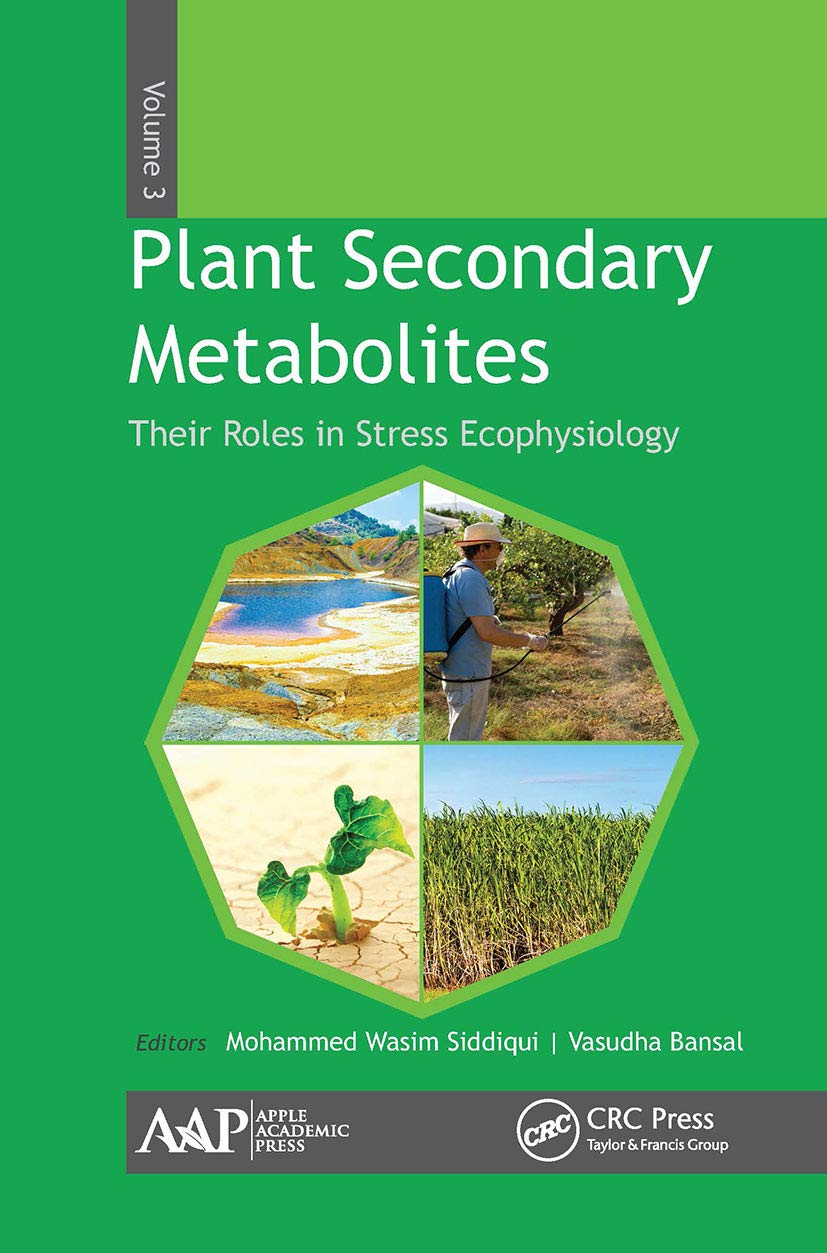
In this review of Plant Secondary Metabolites, Volume Three the reviewer finds a focused, academic treatment of how environmental stressors influence plant chemistry. Intended for researchers, advanced students, and practitioners in phytochemistry and herbal medicine, the book's single biggest reason to read is its detailed linkage of specific stress factors to the stimulation and use of plant secondary metabolites. The examination of climate variables, soil and plant interfaces, nutrients, pests, pathogens and microorganisms makes it a practical reference rather than a general introduction.
Key Features
- Comprehensive focus: Each chapter links environmental stressors to physiological responses, helping readers understand why secondary metabolites increase under particular conditions.
- Expert contributors: Chapters are written by experienced specialists, providing authoritative perspectives and case-based insights on plant-originated secondary metabolites.
- Practical utilization: The book discusses diverse uses of secondary metabolites, giving context for researchers and practitioners looking to apply findings in herbal remedies or phytochemical studies.
- Range of stressors covered: Topics include plant and soil interfaces, changing climate elements, essential nutrients, pest insects and pathogens, offering a broad view of biotic and abiotic influences.
- Research-oriented structure: The volume is organized to support academic study and further research, with focused chapters that can be read individually or as part of the series.
Who It's For
Plant Secondary Metabolites, Volume Three is best suited for plant physiologists, phytochemists, herbal medicine researchers and graduate students who need a targeted reference on how environmental stress shapes secondary metabolite profiles. Its chapter-based, expert-led format makes it useful as a supplemental text for advanced coursework or for laboratory teams designing experiments on stress responses.
Readers seeking a beginner's introduction to plant biology or a casual overview of herbal remedies should look elsewhere, as the book assumes familiarity with physiological concepts and places emphasis on mechanistic and applied research rather than basic teaching.
Pros & Cons
Pros
- Detailed connections between specific environmental stresses and metabolite responses, useful for experimental design.
- Contributions from experienced authors provide authoritative, research-backed perspectives.
- Coverage of both biotic and abiotic stressors broadens applicability across disciplines like agriculture and herbal medicine.
Cons
- The book is focused and technical, so it may be dense for non-specialists or casual readers.
Specifications
| Title | Plant Secondary Metabolites, Volume Three |
| Authors / Editors | Mohammed Wasim Siddiqui, Vasudha Bansal |
| Scope | Relationship between environmental stress and plant secondary metabolites |
| Topics Included | Soil and plant interfaces, climate elements, nutrients, pests, pathogens, microorganisms |
| Intended Audience | Researchers, graduate students, practitioners in phytochemistry and herbal medicine |
| Use Case | Reference for experimental design, applied research and utilization of plant metabolites |
Our Verdict
For readers engaged in phytochemical research or applied herbal studies, this volume is a strong, focused resource that links environmental stressors to metabolite production and practical use. It offers good value as part of a reference library for specialists, though its technical depth makes it less suitable for newcomers seeking an introductory overview.
Frequently Asked Questions
Does this volume cover both biotic and abiotic stressors?
Yes, chapters address a range of biotic and abiotic factors including pests, pathogens, soil interactions and climate elements.
Who wrote the chapters in this book?
Chapters are written by experienced experts coordinated by Mohammed Wasim Siddiqui and Vasudha Bansal.
Is this book appropriate for undergraduate students?
It is better suited to graduate students and researchers due to its technical focus and emphasis on applied research rather than introductory material.
Editor's Take
This volume is a research-focused resource that links environmental stressors to plant secondary metabolite production, making it valuable for phytochemists and advanced herbal medicine researchers.

Recently viewed
Recently viewed products will appear here as customers browse the store.