

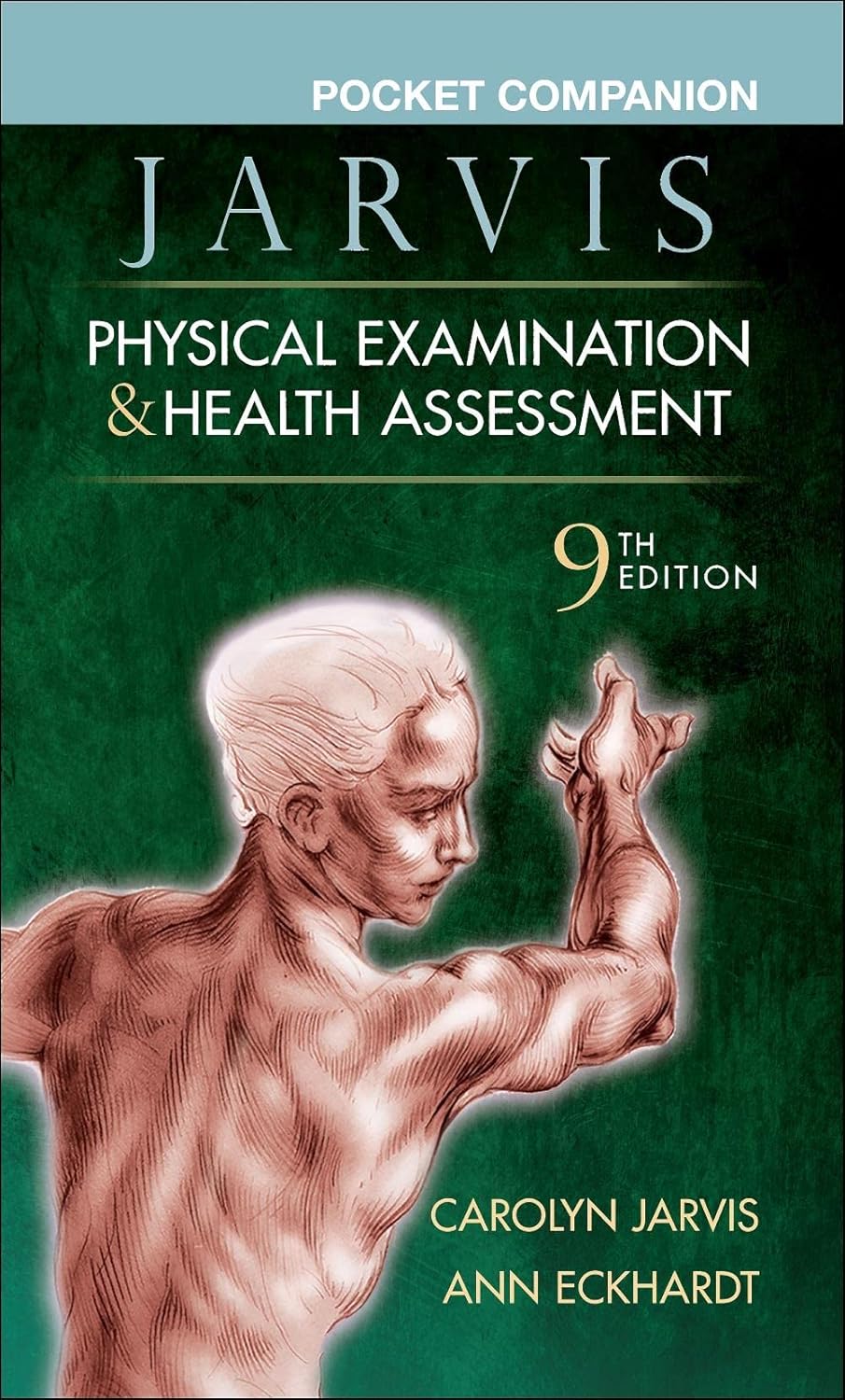
Pocket Companion for Physical Examination & Health Assessment
Pocket Companion for Physical Examination & Health Assessment
Price subject to change. Tap below for current.
Couldn't load pickup availability
In this review of the Pocket Companion for Physical Examination & Health Assessment, the reviewer finds a focused, portable handbook aimed at students and clinicians who need quick, reliable guidance during assessment practice and at the bedside. The single biggest reason to buy is its concise, color-coded format that summarizes examination steps and highlights normal versus abnormal findings, making it faster to prepare for lab sessions and to confirm observations in clinical care.
Key Features
- Concise summaries: Clear step-by-step examination sequences let users quickly review procedures before performing an assessment.
- Normal vs abnormal comparisons: Side-by-side notes help differentiate typical findings from those that require follow-up, improving diagnostic clarity.
- Lifespan and cultural considerations: Practical reminders ensure assessments are adapted for pediatric, adult, and older patients and account for cultural variation.
- QSEN safety competencies integrated: Safety and quality concepts are embedded so users remember core patient-safety practices during exams.
- Full-color images: More than 250 photos and drawings illustrate techniques and findings, aiding visual learning and rapid reference.
Who It's For
The Pocket Companion is best for nursing and medical students learning physical exam technique, instructors who need a compact teaching reference, and practicing clinicians who want a portable refresher for the clinical setting. It suits anyone who benefits from quick access to concise examination steps and visual examples.
Those seeking an exhaustive textbook of pathophysiology or in-depth diagnostic algorithms should look elsewhere; this companion is built for point-of-care use and lab practice rather than extended theoretical discussion.
Pros & Cons
Pros
- Very portable and color-coded for rapid navigation during labs or clinical shifts.
- Helpful side-by-side normal versus abnormal comparisons for confident assessment.
- Extensive visual support with over 250 full-color photos and drawings to reinforce technique.
Cons
- As a concise companion, it does not replace a full textbook when deep pathophysiology or detailed diagnostic discussion is required.
Specifications
| Title | Pocket Companion for Physical Examination & Health Assessment |
| Edition | 9th Edition |
| Authors | Carolyn Jarvis PhD APN CNP; Ann L. Eckhardt PhD RN |
| Format | Concise handbook, color-coded |
| Illustrations | More than 250 full-color photos and drawings |
| Primary use | Assessment lab and clinical reference |
Our Verdict
The Pocket Companion is a practical, well-designed clinical tool for students and practitioners who need a fast reference for physical examination technique and common findings. Its color-coded layout, clear comparisons, and abundant visuals make it good value for point-of-care use, though readers wanting in-depth theory will need a full textbook alongside it.
Frequently Asked Questions
Is this companion suitable for clinical use?
Yes. It is written for both the assessment lab and bedside clinical reference with concise steps and visual examples.
Who are the authors and what is their background?
The authors are Carolyn Jarvis PhD APN CNP and Ann L. Eckhardt PhD RN, experienced educators and clinicians in health assessment.
Does it include images to support technique?
Yes, the book contains more than 250 full-color photos and drawings to illustrate examination techniques and findings.
Editor's Take
The Pocket Companion is a practical, portable clinical reference that helps students and clinicians perform quicker, more reliable physical exams with clear steps, comparisons, and extensive images; it is excellent for point-of-care use though not a substitute for a full textbook.

Recently viewed
Recently viewed products will appear here as customers browse the store.