

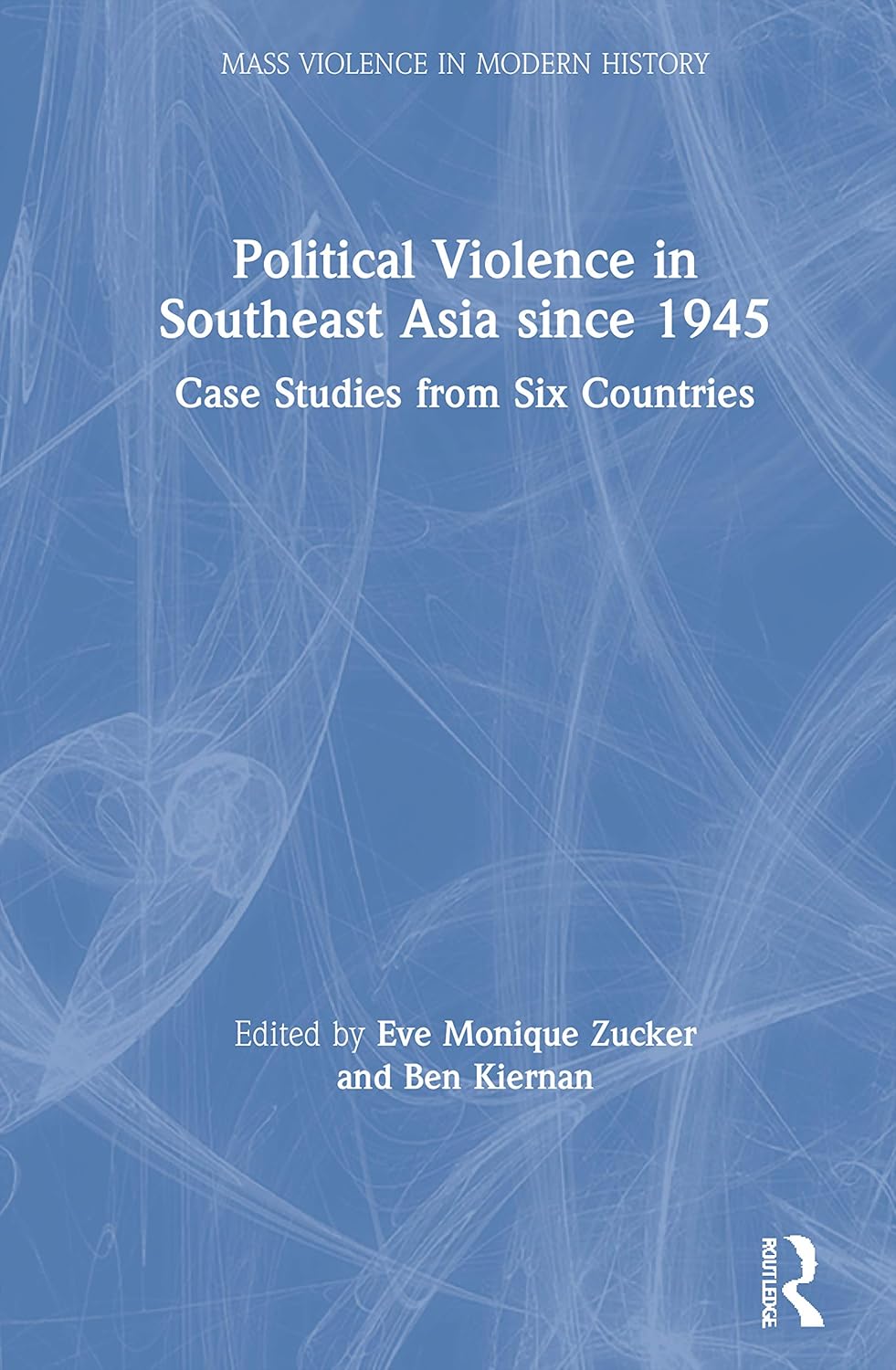
Political Violence in Southeast Asia since 1945 - Scholarly
Political Violence in Southeast Asia since 1945 - Scholarly
Price subject to change. Tap below for current.
Couldn't load pickup availability
In this review of Political Violence in Southeast Asia since 1945 the reviewer finds a rigorous, case-driven collection that is best suited to readers seeking deep historical context and thematic analysis of mass violence across the region. The book brings together studies of Indonesia, Burma/Myanmar, Cambodia, Thailand, the Philippines, and Vietnam, and its single biggest strength is the way contributors connect local incidents to broader themes such as impunity, ethnicity, and the politics of fear, making it a valuable resource for scholars and serious students of modern Southeast Asian history.
Key Features
- Regional breadth: Covers six Southeast Asian countries to show patterns and contrasts across national cases rather than treating events in isolation.
- Thematic focus: Examines technologies of violence and the politics of fear to explain how recurring mechanisms shape multiple episodes of harm.
- Fresh cases and insights: Includes previously unexplored cases alongside more familiar studies to broaden the empirical base for comparative analysis.
- Ethical and legal perspective: Discusses impunity, justice, and crimes against humanity, offering readers a framework for assessing responsibility and redress.
- Long historical sweep: Traces violence from mid-twentieth-century independence wars to recent events including the Rohingya genocide, providing historical continuity.
Who It's For
This collection is aimed at academics, graduate students, policy analysts, and historians who need a serious, interdisciplinary examination of mass violence in Southeast Asia and who value comparative approaches across states and time. It will be particularly useful as a supplemental text in seminars on genocide, ethnic conflict, or regional politics.
Readers seeking a general-audience narrative history or a brief primer on modern Southeast Asia should look elsewhere; the book assumes some prior knowledge and favors scholarly essays over popular storytelling.
Pros & Cons
Pros
- Comprehensive regional coverage helps readers identify patterns across multiple countries.
- Thematic chapters link specific episodes to broader concepts like impunity and exclusion.
- Includes both well-known and lesser-studied cases, expanding evidence for comparative claims.
Cons
- The scholarly tone and depth make it less accessible for casual readers or those new to the subject.
Specifications
| Title | Political Violence in Southeast Asia since 1945 |
| Series | Mass Violence in Modern History |
| Geographic scope | Indonesia, Burma/Myanmar, Cambodia, Thailand, the Philippines, Vietnam |
| Main themes | Technologies of violence, politics of fear, impunity, genocide |
| Time period covered | Mid-twentieth century to recent events |
| Focus | Comparative case studies and thematic analysis |
Our Verdict
Political Violence in Southeast Asia since 1945 is a high-value scholarly collection for readers who need rigorous, comparative studies linking specific atrocities to broader political and legal themes. Its depth and regional scope make it a recommended purchase for researchers and advanced students seeking context on patterns of mass violence and questions of justice across Southeast Asia.
Frequently Asked Questions
Does this book cover the Rohingya crisis?
Yes; the book traces events up to recent episodes including the Rohingya genocide as part of its regional analysis.
Is this suitable for introductory courses?
It is better suited as a supplemental or advanced reading because of its scholarly essays and assumed background knowledge.
Are specific countries treated in detail?
Yes; chapters focus on individual countries-Indonesia, Burma/Myanmar, Cambodia, Thailand, the Philippines, and Vietnam-while drawing comparative conclusions.
Editor's Take
A rigorous, comparative scholarly collection that links episodes of mass violence across six Southeast Asian countries; recommended for researchers and advanced students for its depth and thematic insights.

Recently viewed
Recently viewed products will appear here as customers browse the store.