Regular price
$143.76 USD
Price subject to change. Tap below for current.
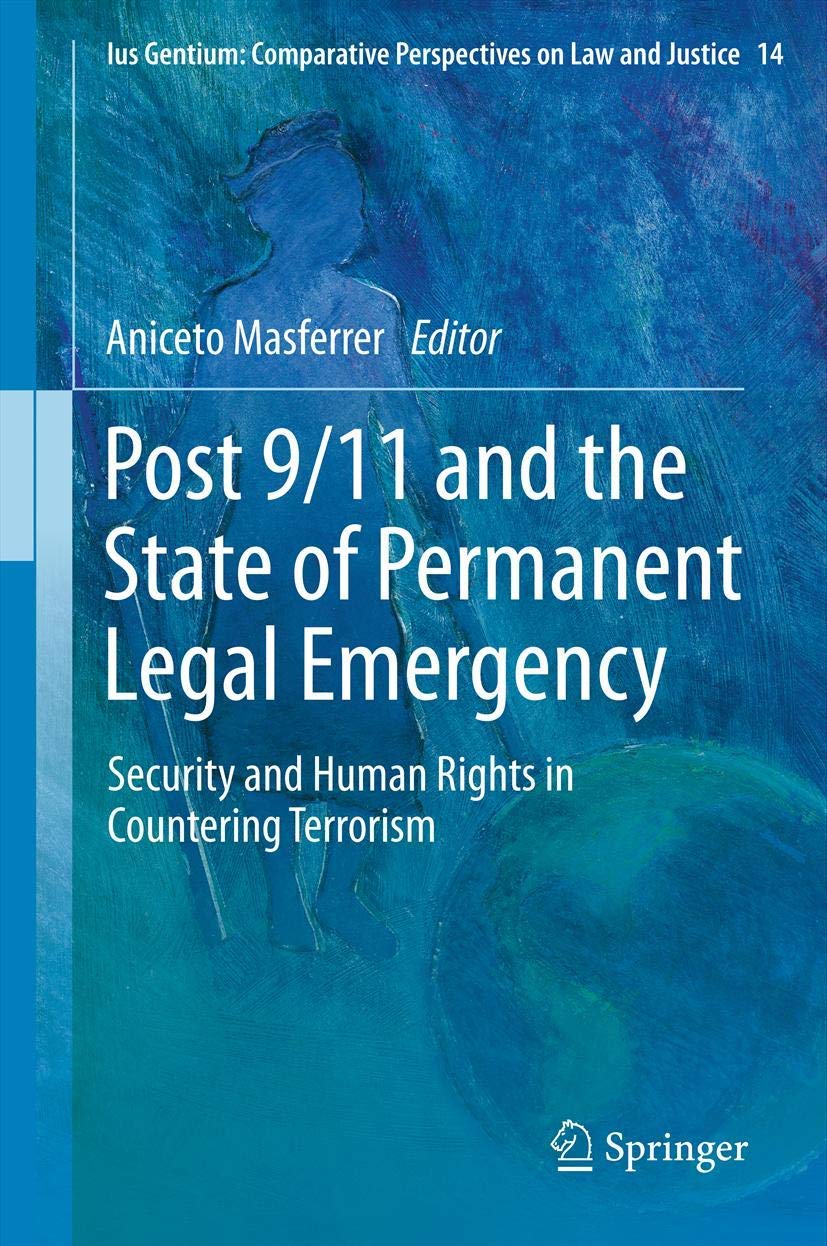
The book Post 9/11 and the State of Permanent Legal Emergency offers a profound exploration of the intersection between security and human rights in the context of countering terrorism. Written by Aniceto Masferrer, this insightful work delves into the implications of legal frameworks established in the wake of the September 11 attacks.
In this comprehensive analysis, Masferrer examines how the state of permanent legal emergency has reshaped the landscape of civil liberties. The author argues that the measures implemented to enhance security often come at the expense of fundamental human rights, raising critical questions about the balance between safety and freedom.
Through a comparative perspective, the book highlights various legal responses to terrorism across different jurisdictions. It emphasizes the need for a nuanced understanding of how counter-terrorism laws can impact individual rights and the rule of law. Masferrer's thorough research provides valuable insights into the legal challenges faced by governments and the implications for citizens.
One of the key themes of the book is the concept of security versus human rights. Masferrer argues that while security is paramount, it should not come at the cost of eroding the very rights that define democratic societies. The author calls for a reevaluation of existing policies to ensure that they align with international human rights standards.
The book also addresses the role of international law in shaping national responses to terrorism. Masferrer discusses how international human rights law can serve as a framework for assessing the legality of counter-terrorism measures. This perspective is crucial for understanding the global implications of national security policies.
Furthermore, the author critiques the tendency of states to invoke emergency powers as a means to bypass legal norms. This analysis is particularly relevant in today's political climate, where the justification of security often leads to the suspension of rights. Masferrer urges policymakers to consider the long-term consequences of such actions.
In conclusion, Post 9/11 and the State of Permanent Legal Emergency is an essential read for anyone interested in the complex relationship between security and human rights. Aniceto Masferrer's work is a timely reminder of the importance of safeguarding civil liberties in the face of evolving threats. This book is a significant contribution to the ongoing discourse on law, justice, and the challenges posed by terrorism.