

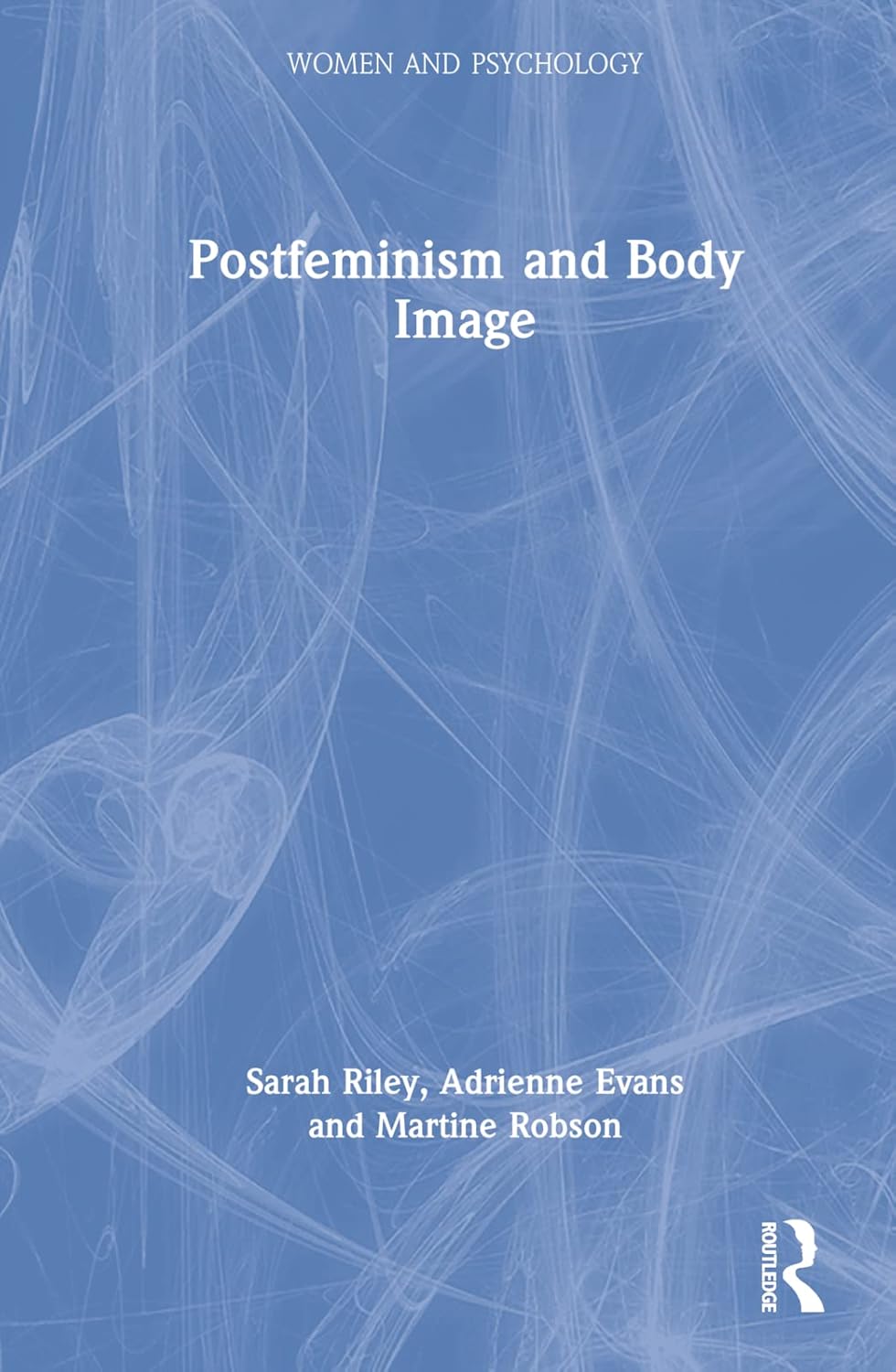
Postfeminism and Body Image - In-depth Academic Sarah
Postfeminism and Body Image - In-depth Academic Sarah
Price subject to change. Tap below for current.
Couldn't load pickup availability
In this review of Postfeminism and Body Image, the book is recommended for readers seeking a rigorous theoretical approach to contemporary body-image debates. The authors provide a focused poststructuralist and psychosocial analysis that links classic theory to modern concerns such as social-media influence, body positivity and muscular masculinity. For anyone studying psychology, media or gender studies who wants a critical framework rather than a quick self-help fix, this book offers sustained conceptual tools and case-aware discussion that make it worth reading.
Key Features
- Poststructuralist framework: The book uses Foucault and Deleuze to reframe body image as a discursive and power-laden phenomenon, helping readers see social norms as historically produced.
- Psychosocial analysis: By combining psychological and social perspectives, the authors map how individual experience and media environments shape body-image struggles.
- Contemporary relevance: The text addresses current topics such as social-media use, body positivity and transformation culture, connecting theory to everyday practices.
- Critical tone: Rather than offering prescriptive solutions, the authors prompt readers to question assumptions and obligations underpinning body shame and self-improvement imperatives.
- Interdisciplinary authorship: Contributions from scholars in psychology and media studies provide balanced, scholarly insight suited to academic and professional readers.
Who It's For
This book is best for graduate students, researchers and practitioners in psychology, gender studies and media studies who want a conceptual toolkit for understanding body image in a postfeminist cultural moment. It suits anyone who prefers theory-driven critique over prescriptive lifestyle guidance.
Readers seeking a practical handbook with step-by-step therapy techniques or quick tips for personal body-image improvement should look elsewhere, as the book emphasizes theoretical analysis and critique rather than hands-on interventions.
Pros & Cons
Pros
- Provides a rigorous theoretical lens using Foucault and Deleuze that clarifies power relations around body image.
- Connects psychological and media scholarship to contemporary phenomena like social-media influence and body positivity.
- Encourages critical reflection rather than simplistic solutions, which is valuable for academic study and classroom discussion.
Cons
- The emphasis on theory means it is not a practical self-help resource for readers looking for immediate coping strategies.
Specifications
| Title | Postfeminism and Body Image |
| Series | Women and Psychology |
| Authors | Sarah Riley, Adrienne Evans, Martine Robson |
| Approach | Poststructuralist and psychosocial analysis |
| Key topics | Body image, social media, body positivity, transformation imperative, muscular masculinity |
| Theoretical reference | Michel Foucault and Gilles Deleuze |
Our Verdict
Postfeminism and Body Image is a strong value for readers who need a thoughtful academic perspective on contemporary body-image issues. Its theoretical rigor and interdisciplinary approach make it a useful text for teaching, research and critical practice, though those seeking applied therapy techniques will need to supplement it with more practical resources.
Frequently Asked Questions
Does this book offer practical therapy techniques?
No. The book focuses on theoretical and psychosocial analysis rather than prescriptive therapeutic methods.
Which theorists does the book use?
The authors draw on the work of Michel Foucault and Gilles Deleuze to build their poststructuralist framework.
Is this suitable for undergraduates?
Advanced undergraduates and graduate students in psychology, media or gender studies will get the most from its conceptual depth.
Editor's Take
A rigorous, theory-driven examination of contemporary body-image issues that is ideal for graduate students, researchers and practitioners seeking a conceptual framework rather than practical self-help guidance.

Recently viewed
Recently viewed products will appear here as customers browse the store.