

Posthuman Folklore - A Clear Guide to Posthumanism in Folklore Studies
Posthuman Folklore - A Clear Guide to Posthumanism in Folklore Studies
Price subject to change. Tap below for current.
Couldn't load pickup availability
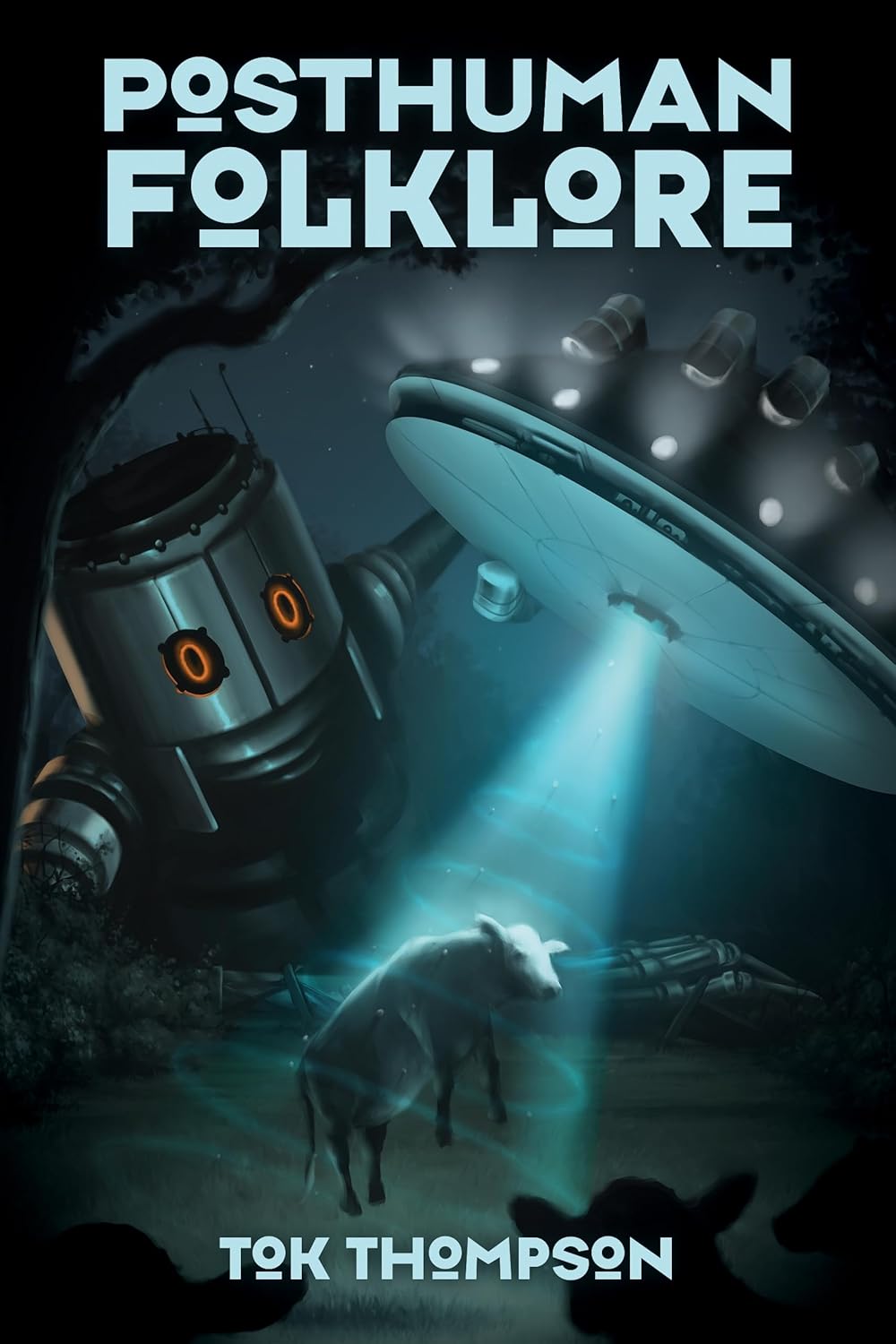
In this review of Posthuman Folklore, the book is recommended for readers who want a clear, accessible introduction to how posthumanism reshapes understandings of folklore and personhood. Tok Thompson frames questions such as whether animals or machines can claim rights and how ordinary people incorporate posthuman ideas into practice. The single biggest reason to buy is its dual role as both an overview of posthumanist theory and a focused investigation of vernacular practices, which makes it useful for students, scholars, and curious general readers seeking a grounded, literature-informed perspective.
Key Features
- Comprehensive overview: Provides a concise mapping of posthumanism as it applies to folklore studies, helping readers grasp the field's central debates.
- Vernacular focus: Examines how everyday people perform and embody posthuman ideas, connecting theory to observable cultural practice.
- Ethical questions: Raises accessible, contemporary dilemmas - from animal personhood to android citizenship - that prompt reflection and classroom discussion.
- Interdisciplinary approach: Bridges folklore, law, and social theory to show how posthuman questions surface across disciplines.
- Readable prose: Balances scholarly rigor with clear writing so that non-specialists can follow complex ontological arguments.
Who It's For
Posthuman Folklore is best for graduate students, researchers, and instructors in folklore, cultural studies, and social sciences who need a focused synthesis of how posthumanism intersects with vernacular practice. It is also suitable for educated general readers intrigued by ethical and legal questions about nonhuman actors and emergent personhood.
Those seeking detailed empirical case studies or a textbook-length methods manual should look elsewhere; this work emphasizes conceptual framing and illustrative examples rather than exhaustive fieldwork protocols or long datasets.
Pros & Cons
Pros
- Clear synthesis of posthumanist thought applied directly to folklore, making complex ideas approachable.
- Strong focus on vernacular posthumanism links abstract debate to everyday practice and lived behavior.
- Useful interdisciplinary perspective that invites discussion across law, ethics, and social sciences.
Cons
- Not primarily an empirical methods volume, so readers seeking detailed fieldwork guidance may find it limited.
Specifications
| Title | Posthuman Folklore |
| Author | Tok Thompson |
| Subject | Posthumanism and folklore studies |
| Scope | Overview and investigation of vernacular posthumanism |
| Audience | Students, scholars, and informed general readers |
| Key questions | Animal and machine personhood; legal and ethical implications |
Our Verdict
Posthuman Folklore is a concise, conceptually rich book that successfully translates posthumanist debates into terms relevant for folklore scholars and interested readers. It offers good value for anyone wanting an entry point to how posthuman ideas appear in everyday life and provides useful framing for classroom discussion or interdisciplinary research.
Frequently Asked Questions
Does this book cover legal implications of nonhuman personhood?
Yes, it raises legal and ethical questions such as whether nonhuman agents can sue or claim rights, situating those issues within folklore and cultural practice.
Is Posthuman Folklore suitable for undergraduate study?
It can be used in advanced undergraduate seminars, though some passages assume familiarity with basic theory; it is especially well suited to graduate courses.
Does the book include empirical case studies?
The emphasis is on overview and investigation of vernacular posthumanism rather than extensive empirical datasets or methodological instruction.
Editor's Take
Posthuman Folklore offers a concise, conceptually rich introduction that links posthumanist debates to everyday vernacular practice, making it a strong choice for students and scholars seeking clear framing and classroom-ready discussion.

Recently viewed
Recently viewed products will appear here as customers browse the store.