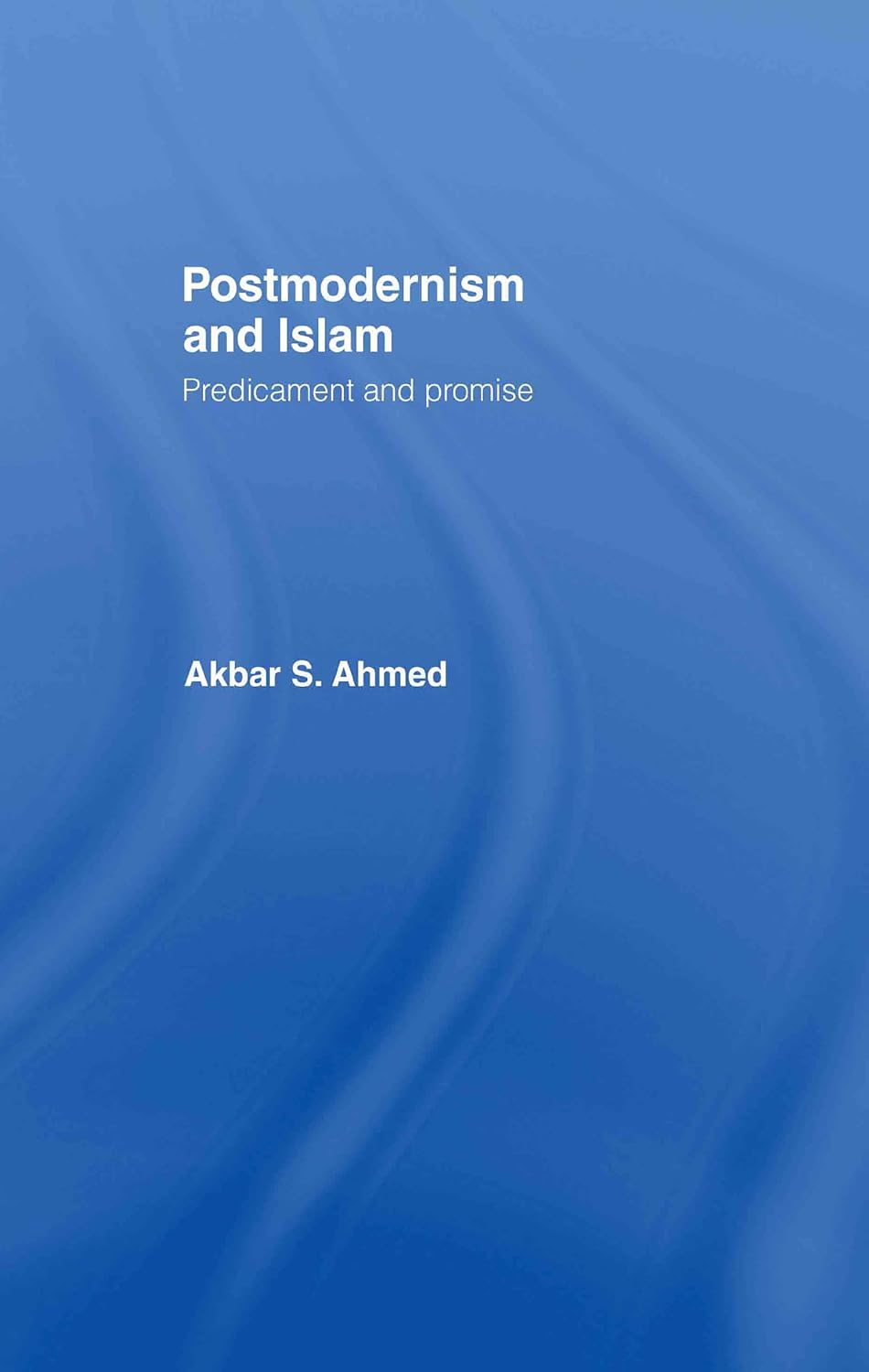
Postmodernism and Islam: A Deep Dive into Cultural Dynamics
Postmodernism and Islam: A Deep Dive into Cultural Dynamics
Price subject to change. Tap below for current.
Couldn't load pickup availability
Postmodernism and Islam is a thought-provoking exploration of the intricate relationship between two significant cultural paradigms. Authored by Akbar S. Ahmed, this book delves into the complexities of modernity and tradition, offering readers a comprehensive understanding of how these forces interact in contemporary society.
In this insightful work, Ahmed presents a series of compelling arguments that challenge conventional perceptions of Islamic culture. He meticulously examines the ways in which postmodern thought has influenced Islamic discourse, revealing the nuances that often go unnoticed in mainstream discussions. This book is not just an academic treatise; it is a call to engage with the rich tapestry of ideas that shape our world.
The author draws on a wide range of sources, from philosophical texts to contemporary media, to illustrate the dynamic interplay between postmodern theory and Islamic thought. Each chapter is carefully crafted to guide readers through complex ideas, making them accessible without sacrificing depth. Ahmed's ability to weave together various strands of thought is one of the book's standout features.
One of the key themes of Postmodernism and Islam is the concept of identity. Ahmed explores how individuals navigate their cultural identities in a globalized world, where traditional boundaries are increasingly blurred. This exploration is particularly relevant in today's context, where issues of belonging and cultural heritage are at the forefront of societal debates.
Furthermore, the book addresses the often contentious relationship between modernity and tradition. Ahmed argues that rather than being in opposition, these two forces can coexist and enrich one another. This perspective is refreshing and encourages readers to reconsider their assumptions about the dichotomy between the modern and the traditional.
Throughout the text, Ahmed employs a narrative style that is both engaging and enlightening. His use of anecdotes and real-world examples brings theoretical concepts to life, allowing readers to see the practical implications of postmodern ideas in everyday situations. This approach not only enhances understanding but also fosters a deeper connection to the material.
In conclusion, Postmodernism and Islam is an essential read for anyone interested in cultural studies, religious discourse, or contemporary philosophy. Akbar S. Ahmed has crafted a work that is both intellectually rigorous and accessible, making it a valuable addition to the library of scholars and casual readers alike. This book invites us to rethink our perspectives and engage with the complexities of our world in a meaningful way.
Share