

Power Aware Design Methodologies - Comprehensive Power Optimization
Power Aware Design Methodologies - Comprehensive Power Optimization
Price subject to change. Tap below for current.
Couldn't load pickup availability
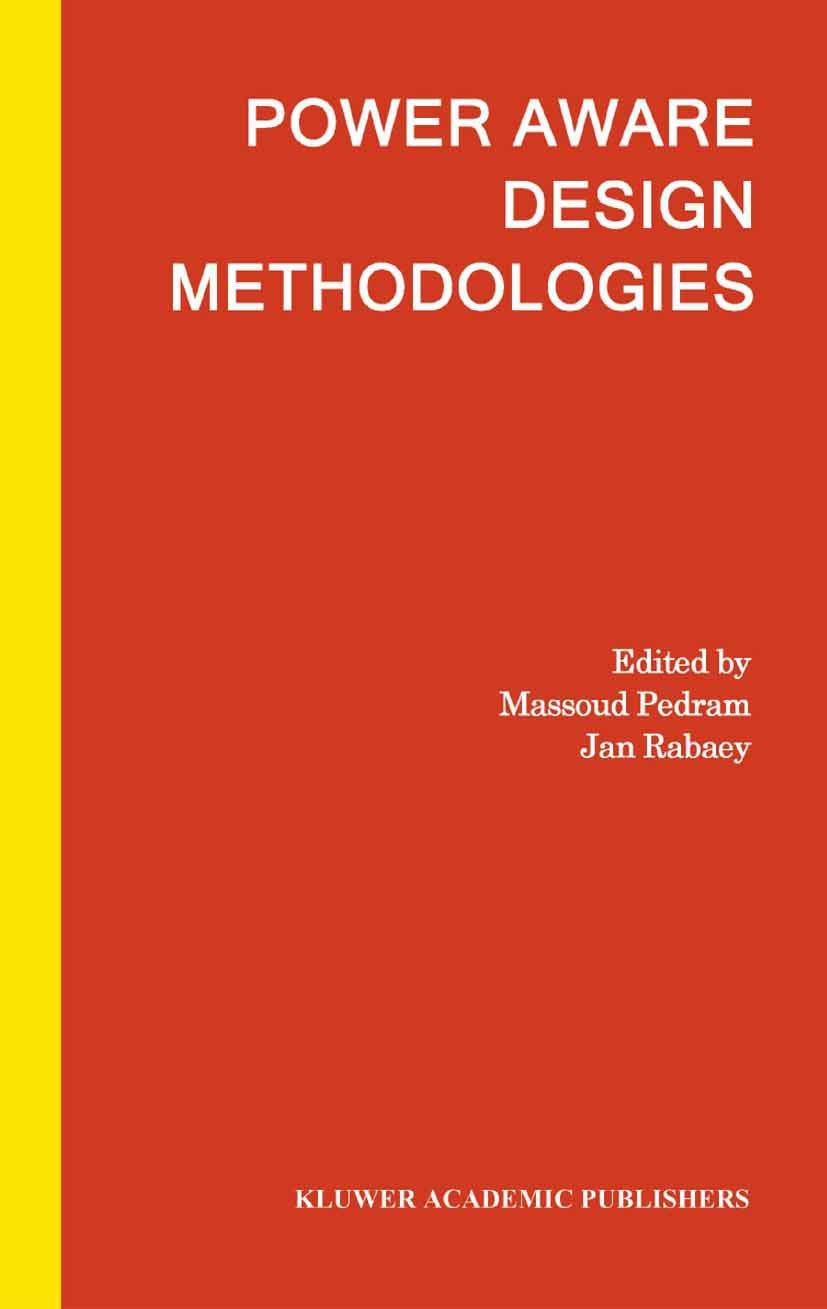
In this review of Power Aware Design Methodologies, the book earns its place as a practical reference for engineers and researchers focused on reducing energy use across VLSI and system design. The single biggest reason to buy is its cross-layer treatment: it connects device, circuit, architecture and system-level techniques in one volume, making it useful for anyone designing CMOS circuits or energy-constrained microelectronic systems. This review evaluates clarity, scope and how effectively the book translates state-of-the-art approaches into actionable methodology.
Key Features
- Cross-layer coverage: The book explains power-aware techniques from technology and device trends up through circuit, logic and architectural strategies, giving a coherent view of where savings are achieved.
- Practical focus: It presents methodologies and control approaches that can be applied to CMOS digital and analog circuits as well as systems on chip to improve real-world power efficiency.
- System-level perspective: Discussion extends to microelectronic systems and wirelessly networked nodes, which helps readers think beyond single chips to complete low-power systems.
- Analysis of power sources: The text provides in-depth analysis of the sources of power dissipation in VLSI, aiding readers in prioritizing optimization efforts effectively.
- State-of-the-art approaches: A myriad of contemporary optimization and control techniques are reviewed, useful for designers seeking modern trade-offs and control strategies.
Who It's For
The book is best suited for practicing electrical and computer engineers, graduate students researching low-power systems and architects working on systems on chip who need a consolidated reference on power-aware design. Its multi-level approach helps professionals who must consider device characteristics, circuit techniques and system-level control together.
Readers looking for an introductory textbook on basic electronics or a hands-on lab manual for beginners may find the material dense; similarly, those seeking a short primer on only one narrow technique should look for specialist texts, since this volume aims for breadth across the design hierarchy.
Pros & Cons
Pros
- Comprehensive cross-layer treatment makes it easier to connect low-level device choices with system-level power outcomes.
- Balances theoretical analysis of power dissipation with practical methodologies for optimization and control.
- Includes coverage relevant to wirelessly networked systems, extending value beyond single-chip design.
Cons
- The material is broad and technical, so it can be challenging for readers without an electrical engineering background.
Specifications
| Title | Power Aware Design Methodologies |
| Authors | Massoud Pedram, Jan M. Rabaey |
| Scope | Technology, circuit, logic, architecture and system layers |
| Focus | Power optimization and control for CMOS circuits and systems |
| Application areas | VLSI circuits, systems on chip, microelectronic systems, wireless nodes |
| Content type | In-depth analysis and state-of-the-art approaches |
Our Verdict
Power Aware Design Methodologies is a valuable, well-structured reference for engineers and advanced students who must tackle power reduction across multiple levels of design. Its comprehensive analysis and practical methodologies justify the investment for professionals designing CMOS-based circuits and energy-constrained systems, though newcomers should pair it with more introductory material.
Frequently Asked Questions
Does this book cover both digital and analog circuits?
Yes. The book discusses techniques for improving power efficiency in both digital and analog CMOS circuits.
Is the content suitable for system-level designers?
Yes. The book includes system-layer discussion, including systems on chip and wirelessly networked computational nodes.
Will a beginner understand this book?
The book is technical and broad; beginners may need supplemental introductory resources to follow some sections.
Editor's Take
Power Aware Design Methodologies is a detailed, cross-layer reference ideal for engineers and advanced students focused on reducing power in CMOS circuits and energy-constrained systems; beginners may need supplemental introductory materials.

Recently viewed
Recently viewed products will appear here as customers browse the store.