

Practical Skills and Clinical Management of Alcoholism and Drug
Practical Skills and Clinical Management of Alcoholism and Drug
Price subject to change. Tap below for current.
Couldn't load pickup availability
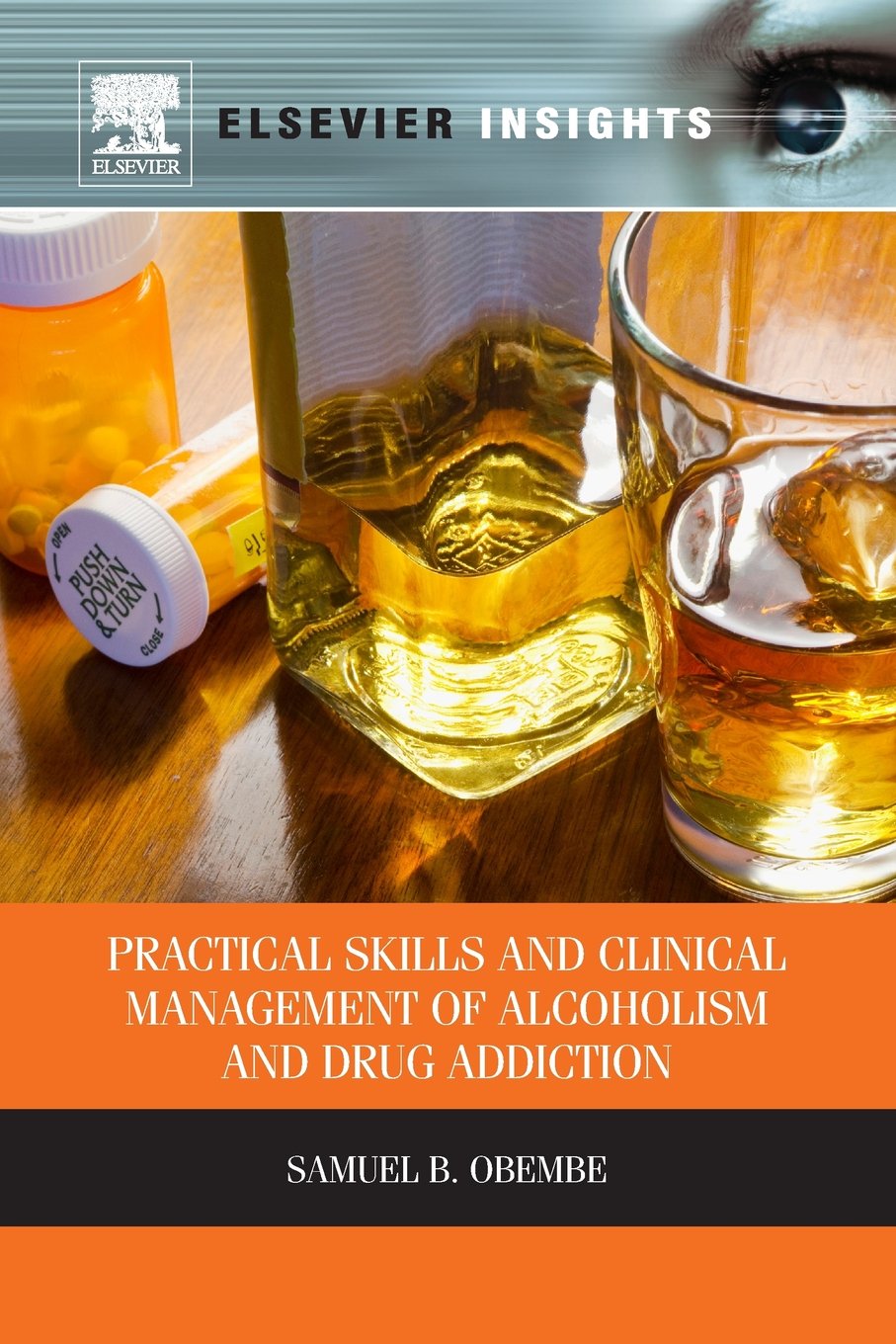
In this review of Practical Skills and Clinical Management of Alcoholism and Drug Addiction the reviewer finds a concise clinical guide aimed squarely at mental health professionals, addiction counselors and trainees. The single biggest reason to buy is its practical, evidence-focused approach: it presents addiction as a medical condition, then follows through with detox, psychotherapeutic approaches and supported aftercare in a way that helps clinicians translate theory into treatment planning. This review highlights how the book balances research findings with life and clinical experience to form a usable handbook for practice.
Key Features
- Clear disease framework: Explains why addiction is framed as a medical condition, helping clinicians adopt a nonjudgmental, treatment-focused perspective.
- Stepwise treatment pathway: Describes detox followed by psychotherapy, offering a clear sequence for building treatment plans that aim for sustained recovery.
- Evidence-based psychotherapy: Summarizes psychotherapeutic approaches that have research support, enabling clinicians to choose interventions with better outcomes.
- Aftercare emphasis: Details aftercare programs and maintenance strategies that support long-term sobriety and relapse prevention.
- Practical screening and classification: Covers drug screening procedures and classification of psychoactive drugs to inform assessment and clinical decision making.
- Contextual insights: Integrates cultural, genetic and life-experience perspectives to tailor care across diverse patient backgrounds.
Who It's For
This book is best suited for licensed counselors, clinical psychologists, addiction specialists and trainees who need a compact, clinically oriented resource that links etiology to practical treatment steps. Its emphasis on evidence-based psychotherapy and aftercare makes it useful for professionals designing continuing care pathways and relapse prevention plans.
It is less appropriate for readers seeking a deep neuroscientific textbook or an extensive pharmacology manual; likewise, casual readers looking for personal recovery memoirs or self-help only materials should look elsewhere.
Pros & Cons
Pros
- Practical, treatment-focused structure that moves from detox to psychotherapy and aftercare in a usable sequence.
- Reinforces the view of addiction as a medical condition, supporting clinical best practice and reducing stigma in care settings.
- Includes concrete topics such as drug classification and screening procedures that aid assessment and documentation.
- Addresses cultural and life experience factors, helping clinicians adapt interventions to individual patients.
Cons
- The book is a clinical synopsis rather than an exhaustive academic textbook, so readers wanting deep primary research or advanced pharmacology detail may find it brief.
Specifications
| Title | Practical Skills and Clinical Management of Alcoholism and Drug Addiction |
| Author | Samuel Obembe |
| Focus | Causes and treatment of alcoholism and drug addiction |
| Clinical content | Detox, psychotherapy, aftercare programs |
| Assessment topics | Drug classification and drug screening procedures |
| Approach | Evidence-based psychotherapy and levels of care |
Our Verdict
Practical Skills and Clinical Management of Alcoholism and Drug Addiction is a compact, clinically useful guide for practitioners who need an evidence-informed, stigma-reducing framework and actionable steps from detox through aftercare. It represents good value for clinicians and trainees who want a focused handbook to inform assessment and treatment planning without wading through dense academic texts.
Frequently Asked Questions
Does this book present addiction as a medical condition?
Yes. The author presents genetic and acquired etiologies and frames addiction as a disease to guide medical and therapeutic responses.
Are specific psychotherapies recommended?
The book summarizes evidence-based psychotherapeutic practices and highlights how they fit into a treatment sequence after detox.
Is this resource suitable for nonprofessionals?
While accessible, it is aimed primarily at clinicians and trainees rather than casual self-help readers.
Editor's Take
A compact, evidence-informed clinical guide that links addiction etiology to practical treatment steps from detox through psychotherapy and aftercare, ideal for clinicians and trainees.

Recently viewed
Recently viewed products will appear here as customers browse the store.