

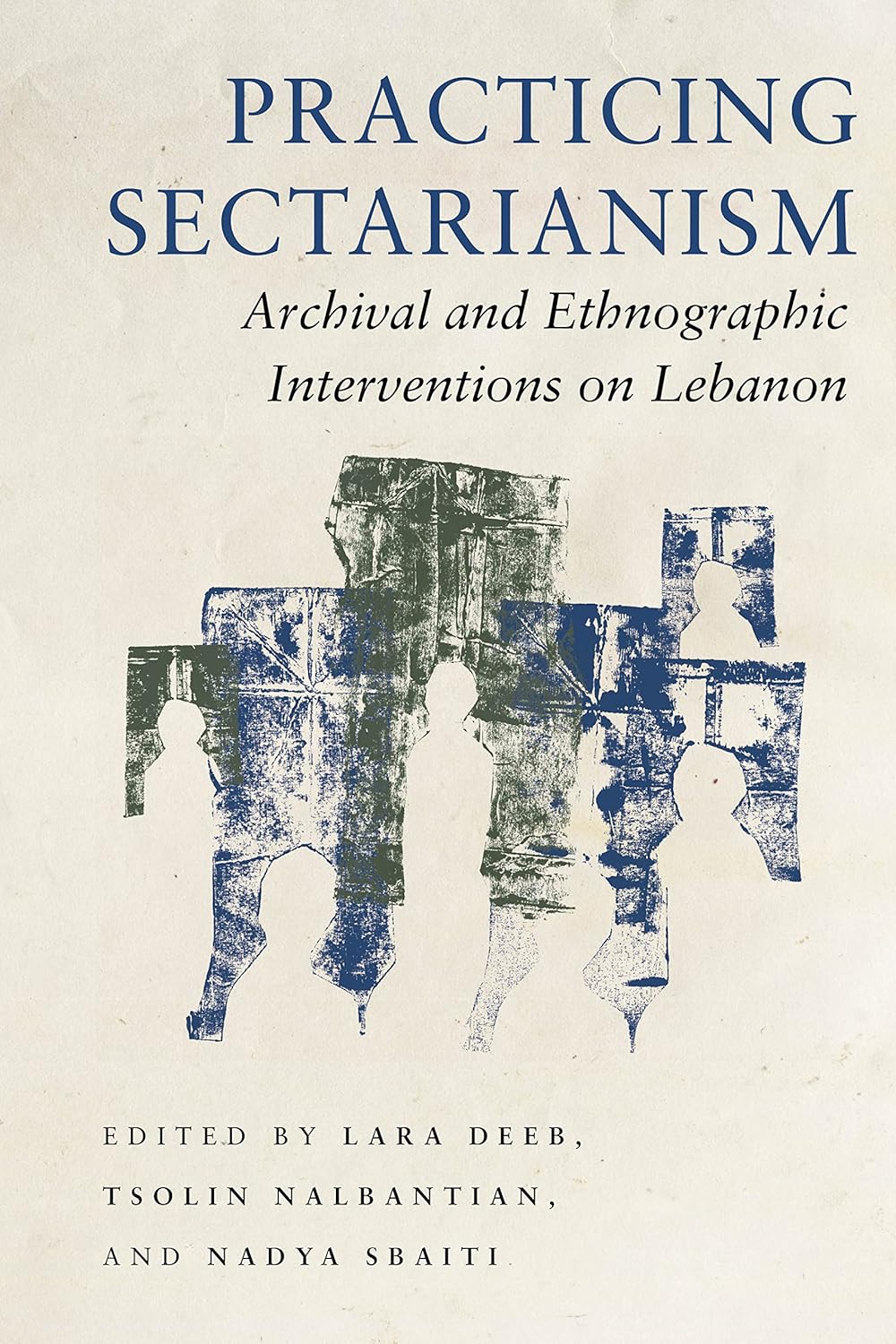
Practicing Sectarianism: Archival and Ethnographic Interventions on
Practicing Sectarianism: Archival and Ethnographic Interventions on
Price subject to change. Tap below for current.
Couldn't load pickup availability
In this review of Practicing Sectarianism readers will find a thoughtful, scholarly collection that examines how sectarian identities are lived, imagined, and contested in Lebanon and its diasporas. The essays, grounded in both archival research and ethnographic fieldwork, make this volume valuable for readers seeking nuanced analysis rather than polemic; the single biggest reason to buy is its sustained attention to the social processes that produce sectarian meaning, showing how people deploy, evade, or resist sectarian classification in everyday life.
Key Features
- Archival depth: Essays draw on historical records to trace how sectarian categories have been produced and institutionalized over time, helping readers see continuity and change.
- Ethnographic insight: Fieldwork-based chapters provide close, grounded accounts of how individuals and communities experience sectarianism in daily interactions.
- Interdisciplinary approach: Contributions from historians and anthropologists combine methods to reveal different angles on the same social phenomenon.
- Range of settings: The volume moves across multiple sites within Lebanon and its diasporas, illustrating how sectarianism operates differently in varied contexts.
- Conceptual focus: The book treats sectarianism as an analytic tool to ask about affect, epistemology, and markers of social difference, clarifying the concept for further study.
Who It's For
This book is best for graduate students, scholars of Middle Eastern history and anthropology, and readers interested in political sociology who want a careful, evidence-rich analysis of sectarian life. It suits those who prefer qualitative methods and conceptual reflection over broad policy prescriptions.
Readers seeking a general-audience introduction to Lebanon's modern political history or a quick overview of contemporary geopolitics should look elsewhere; this volume assumes familiarity with scholarly debates and rewards close reading rather than casual browsing.
Pros & Cons
Pros
- Combines archival and ethnographic methods to provide well-rounded, source-based accounts of sectarian processes.
- Interdisciplinary essays highlight different dimensions of sectarianism, from affective ties to institutional practices.
- Geographic and diasporic scope shows how sectarian meanings shift across settings and historical periods.
Cons
- The book's scholarly tone and depth may feel dense to readers without prior background in regional studies or social theory.
Specifications
| Title | Practicing Sectarianism: Archival and Ethnographic Interventions on Lebanon |
| Editor/Author | Lara Deeb |
| Approach | Archival and ethnographic essays |
| Scope | Lebanon and its diasporas across historical periods |
| Disciplines | History and anthropology |
| Focus | How sectarianism is lived, imagined, and contested |
Our Verdict
Practicing Sectarianism is a rigorous, conceptually sharp collection that rewards readers who want detailed, evidence-based accounts of how sectarian identities are produced and negotiated. It is good value for scholars and advanced students because it links archival materials with ethnographic observation to illuminate both historical formation and everyday practice.
Frequently Asked Questions
Is this book empirical or theoretical?
This volume blends empirical archival and ethnographic work with theoretical reflection on the concept of sectarianism.
Who edited or authored the book?
The work is associated with Lara Deeb and includes contributions from historians and anthropologists.
Does it cover contemporary Lebanon only?
It examines multiple historical periods and also considers diasporic contexts, so it moves beyond a single contemporary snapshot.
Editor's Take
Practicing Sectarianism is a rigorous, evidence-based collection that links archival research and ethnography to illuminate how sectarian identities are produced and negotiated, making it valuable for scholars and advanced students.

Recently viewed
Recently viewed products will appear here as customers browse the store.