

Pragmatism, Post-modernism, and Complexity Theory - Curriculum Studies
Pragmatism, Post-modernism, and Complexity Theory - Curriculum Studies
Price subject to change. Tap below for current.
Couldn't load pickup availability
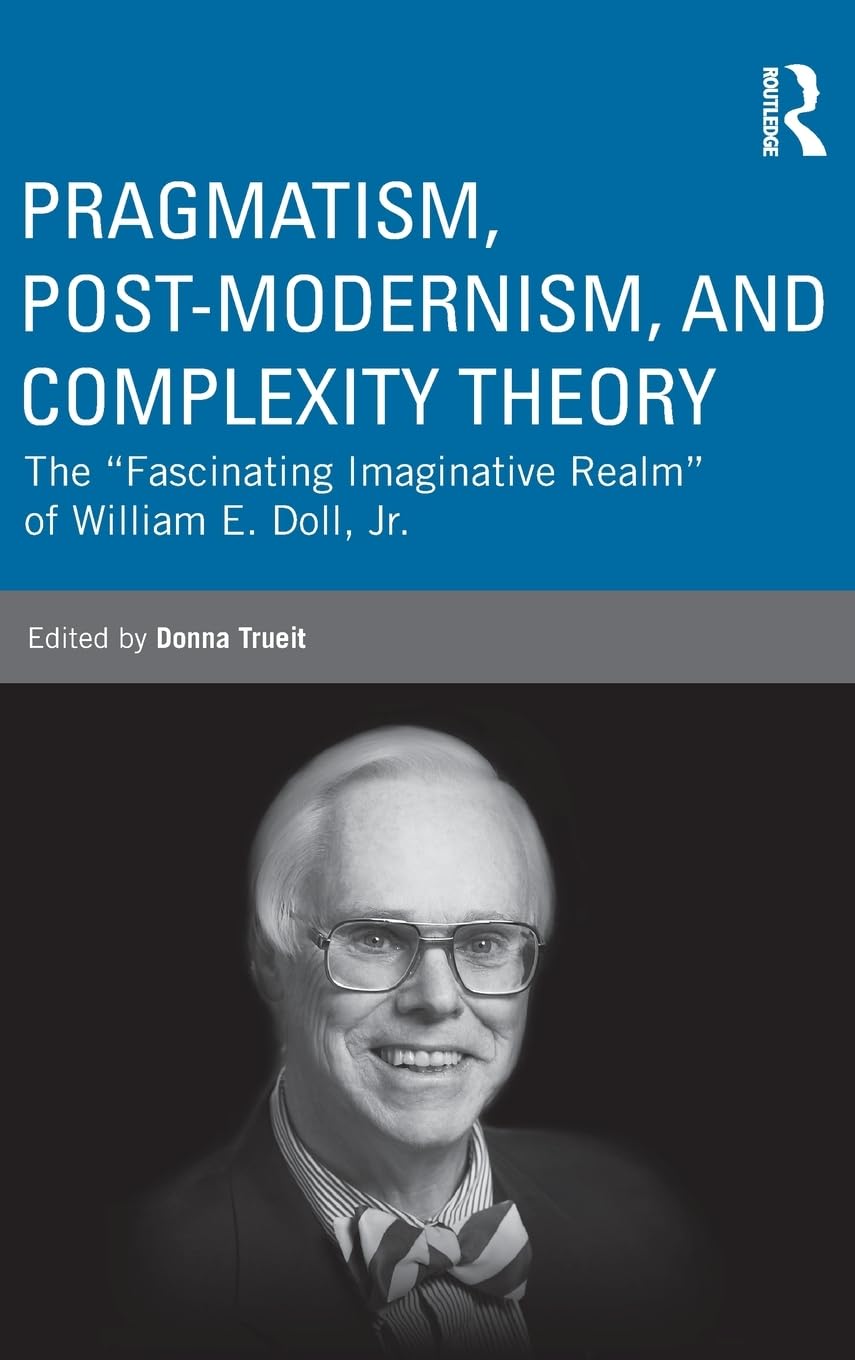
In this review of Pragmatism, Post-modernism, and Complexity Theory, Donna Treuit collects the essential writings of William E. Doll, Jr. into a single volume that charts his fifty-year intellectual trajectory. The book is aimed at curriculum scholars, graduate students and educators who need a thoughtful synthesis of Doll's work; the single biggest reason to buy is its organized access to Doll's ideas across pragmatism, postmodernism and complexity theory, which makes it a practical reference for theory-informed classroom and research practice.
Key Features
- Collected Works: Brings together key writings from across Doll's fifty-year career so readers can trace the development of his thought without searching multiple sources.
- Thematic Organization: The five sections provide clear entry points-Personal Reflections; Process and Transformation; Modern/Post-Modern structures; Complexity Thinking; Reflections on Teaching-so readers can focus on specific strands of his scholarship.
- Theoretical Scope: Covers Doll's engagement with pragmatism, Dewey, Piaget, Bruner and Whitehead, offering a broad philosophical context for curriculum theory.
- Practical Reflection: Includes reflections on teaching that connect Doll's complex theoretical positions back to classroom implications and curriculum practice.
- Scholarly Overview: Functions as both an introduction to Doll's major contributions and a compact reference for scholars working in curriculum studies and educational theory.
Who It's For
Graduate students in education, curriculum theorists and teacher educators will find this collection especially useful as a concentrated source of Doll's influential essays and reflections. Its organization into thematic sections makes it easy to assign specific readings in seminars or to consult for research on complexity theory in education.
Those seeking a how-to classroom manual or a succinct textbook on curriculum design may want a different resource; while the volume includes reflections on teaching, its primary value is theoretical synthesis and scholarly context rather than prescriptive lesson plans.
Pros & Cons
Pros
- Comprehensive selection of Doll's major works gathers disparate writings into one accessible volume for research and teaching.
- Clear thematic structure helps readers navigate complex ideas in pragmatism, postmodernism and complexity theory.
- Includes practical reflections that tie theory back to classroom practice, useful for teacher educators.
Cons
- The volume is oriented toward theory and reflection, so readers expecting detailed practical curriculum designs may find it less hands-on.
Specifications
| Title | Pragmatism, Post-modernism, and Complexity Theory |
| Editor | Donna Treuit |
| Series | Studies in Curriculum Theory Series |
| Content Organization | Five thematic sections including Complexity Thinking and Reflections on Teaching |
| Focus | Collected key works of William E. Doll, Jr. |
| Intended Audience | Curriculum scholars, graduate students, teacher educators |
Our Verdict
Pragmatism, Post-modernism, and Complexity Theory is a well-assembled scholarly collection that serves as an efficient gateway to William Doll's complex ideas. It is good value for those who need a consolidated reference linking pragmatist and postmodern influences to complexity thinking in curriculum studies; purchase it for research and graduate seminar use, but seek supplemental practical guides for classroom ready curriculum designs.
Frequently Asked Questions
Does this volume include primary essays by William E. Doll, Jr.?
Yes, it collects key works from across Doll's fifty-year career rather than being solely commentary.
Is this suitable for classroom teachers?
It includes reflections on teaching that inform practice, but it is primarily a theoretical and scholarly collection rather than a step-by-step teacher manual.
How is the book organized?
The book is organized into five thematic sections: Personal Reflections; Process and Transformation; Modern/Post-Modern; Complexity Thinking; and Reflections on Teaching.
Editor's Take
A well-assembled scholarly collection that consolidates William E. Doll, Jr.'s key writings, ideal for curriculum scholars and graduate students who need a theory-rich reference connecting pragmatism, postmodernism and complexity thinking.

Recently viewed
Recently viewed products will appear here as customers browse the store.