

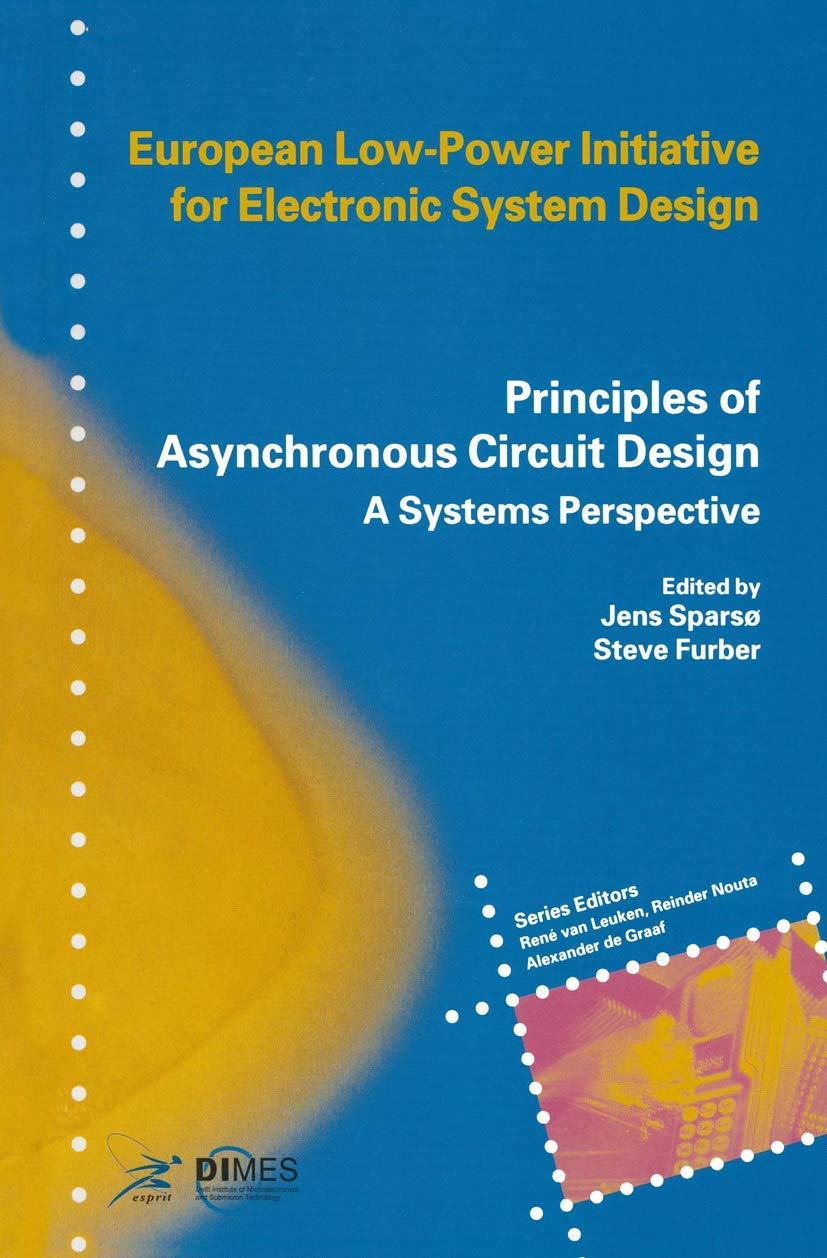
Principles of Asynchronous Circuit Design: A Systems Perspective
Principles of Asynchronous Circuit Design: A Systems Perspective
Price subject to change. Tap below for current.
Couldn't load pickup availability
In this review of Principles of Asynchronous Circuit Design: A Systems Perspective, the book is recommended primarily for engineers and graduate students who need a clear, structured introduction to asynchronous design and practical tools to get started. The single biggest reason to buy is that it combines a tutorial on fundamentals with hands-on access to the Balsa synthesis system and real-world examples, making it both a learning text and a bridge to applied design work. This review focuses on the book's scope, approach, and suitability for classroom and professional reference.
Key Features
- Structured tutorial: The first part offers an eight-chapter tutorial that teaches how to think about asynchronous systems from the ground up, giving beginners a coherent learning path.
- Balsa introduction: Part II presents a four-chapter introduction to the freely available Balsa synthesis system so readers can move from theory to practical design exercises.
- Practical examples: Part III includes detailed examples of state-of-the-art asynchronous systems, illustrating what can be built using asynchronous techniques in real products.
- Systems perspective: The book frames asynchronous circuits within a systems viewpoint, which helps readers understand integration and higher-level design trade-offs beyond transistor-level issues.
- Educational intent: The text is written to serve as an introductory course resource, useful for instructors and self-learners who need a syllabus-like progression through topics.
Who It's For
The book is best for electrical engineers, graduate students, and researchers who want a structured, systems-level introduction to asynchronous circuit design and a practical route to experimentation via Balsa. It suits those who prefer a textbook that combines theory, tool training, and real design examples rather than a narrowly focused research monograph.
Those seeking a deep, device-level treatment of asynchronous circuits or a handbook of low-level timing tricks should look elsewhere; the book emphasizes system concepts, synthesis, and worked examples more than exhaustive transistor-scale analysis.
Pros & Cons
Pros
- Combines foundational tutorial material with practical tool instruction to accelerate hands-on learning.
- Includes real-world examples, from smart card chips to complex microprocessors, that demonstrate applied asynchronous design.
- Adopts a systems perspective that aids understanding of integration and higher-level trade-offs.
Cons
- The focus is introductory and system-level, so readers wanting exhaustive low-level device analysis may find the depth limited.
Specifications
| Title | Principles of Asynchronous Circuit Design: A Systems Perspective |
| Authors | Jens Spars, Steve Furber |
| Structure | Part I: 8-chapter tutorial; Part II: 4-chapter Balsa introduction; Part III: worked examples |
| Tool coverage | Balsa synthesis system (freely available) |
| Audience | Beginners, students, and engineers seeking a systems-level introduction |
| Example types | Commercial smart card chip and complex microprocessor designs |
Our Verdict
Principles of Asynchronous Circuit Design delivers solid pedagogical value and practical access to synthesis tools, making it a strong choice for students and practicing engineers who need a systems-oriented introduction. It is good value for those who want both conceptual grounding and the means to experiment with Balsa without wading into excessive device-level detail.
Frequently Asked Questions
Does the book include practical exercises with tools?
Yes. Part II is a four-chapter introduction to the Balsa synthesis system so readers can obtain hands-on experience.
Is this book suitable for complete beginners?
Yes. The eight-chapter Part I is written as a tutorial intended to introduce the most important issues for beginners.
Are there real-world design examples?
Yes. Part III presents examples ranging from a commercial smart card chip to complex microprocessors to illustrate applied asynchronous techniques.
Editor's Take
A systems-oriented textbook that combines an eight-chapter tutorial, a practical introduction to the Balsa synthesis system, and real-world examples, making it ideal for students and engineers who want hands-on learning without deep device-level coverage.

Recently viewed
Recently viewed products will appear here as customers browse the store.