

Probability, Stochastic Processes, and Queueing Theory - Performance
Probability, Stochastic Processes, and Queueing Theory - Performance
Price subject to change. Tap below for current.
Couldn't load pickup availability
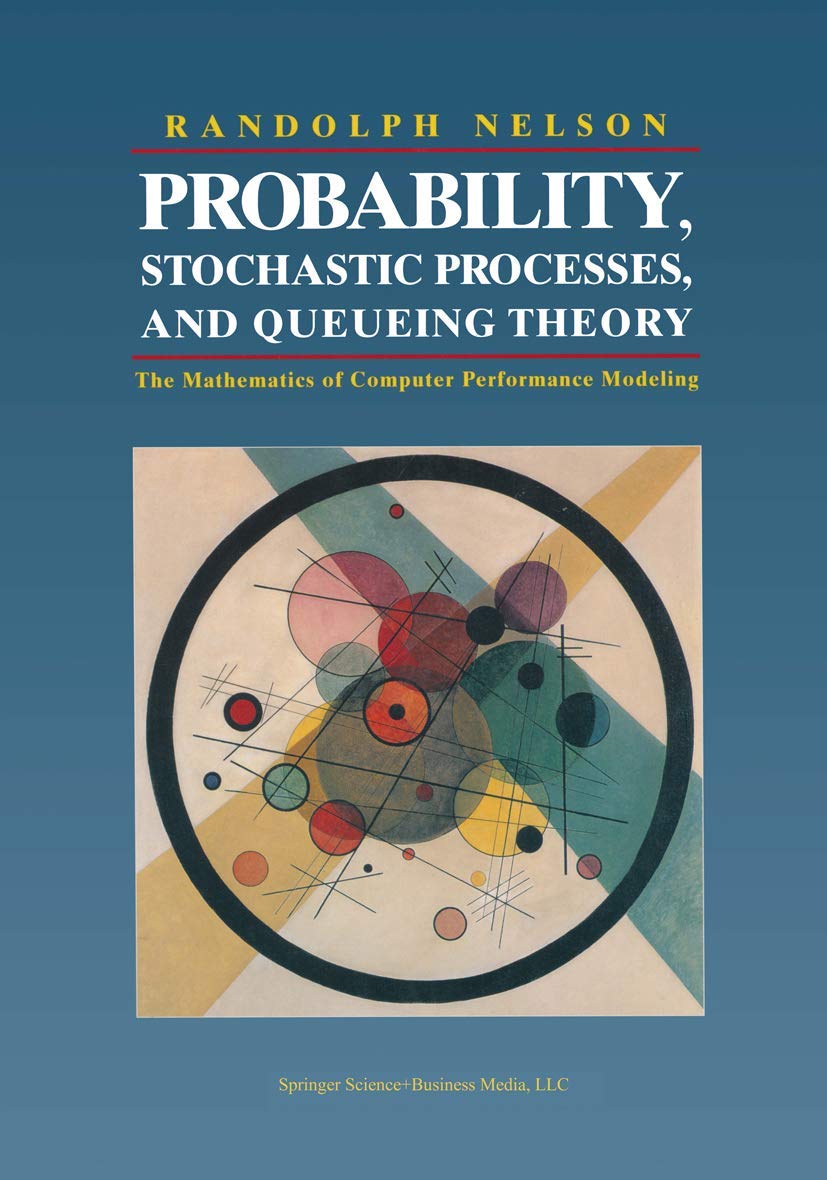
In this review of Probability, Stochastic Processes, and Queueing Theory the book is positioned as a focused text for students and practitioners interested in the mathematical foundations of computer performance modeling. The single biggest reason to buy is its deliberate structure that separates core material from optional, higher-level notes so readers can progress at their own pace; the text explicitly flags portions that can be bypassed and collects advanced or self-contained topics into appendices. This makes it easier to follow the main development while returning later to more technical sections.
Key Features
- Clear structure: Sections flagged with special notes allow readers to skip advanced material on a first pass and return later without losing continuity.
- Appendix organization: Self-contained topics are gathered into appendices so instructors and readers can consult deeper material as needed.
- Applied focus: Emphasis on problems that require readers to apply material helps build practical understanding of performance modeling concepts.
- Progressive difficulty: The text separates higher-level mathematics from the main exposition, making it accessible to readers with varied backgrounds.
- Self-discovery problems: Problems are designed to encourage exploration and independent learning, reinforcing theoretical material through practice.
Who It's For
This book is best for advanced undergraduates, graduate students, and engineers who need a mathematically grounded treatment of queueing theory and stochastic models relevant to computer performance analysis. It suits readers who appreciate a text that distinguishes core topics from optional, advanced sections.
Readers seeking a light, conceptual introduction without mathematical rigor or those expecting extensive case studies and industrial benchmarks should look elsewhere; this is primarily a theoretical, problem-driven text rather than a survey of empirical performance measurements.
Pros & Cons
Pros
- Well-structured material that makes it easy to follow the main narrative while deferring advanced topics.
- Appendices and flagged notes keep the core chapters readable for first-time learners.
- Problem sets emphasize self-discovery, which strengthens practical understanding through active application.
Cons
- Because the book is mathematically oriented and separates higher-level material, readers seeking purely applied case studies may find it lacks extensive empirical examples.
Specifications
| Title | Probability, Stochastic Processes, and Queueing Theory: The Mathematics of Computer Performance Modeling |
| Author | Randolph Nelson |
| Focus | Computer performance modeling, queueing theory, stochastic processes |
| Structure | Core chapters with flagged optional sections and appendices |
| Pedagogy | Self-discovery problems and applied exercises |
| Audience | Advanced undergraduates, graduates, and practitioners |
Our Verdict
This book is a solid choice for readers who want a rigorous, structured presentation of stochastic processes and queueing theory applied to computer performance modeling. Its clear separation of core and advanced material, plus problem-driven learning, makes it good value for students and engineers willing to engage with mathematical detail.
Frequently Asked Questions
Does the book require advanced math background?
Basic probability and calculus are helpful; advanced sections are flagged and can be skipped on first reading.
Are there practical examples for engineers?
The emphasis is theoretical with problem sets for applied practice rather than extensive industrial case studies.
How are advanced topics handled?
Higher-level material is collected into appendices or flagged notes so readers can consult it when ready.
Editor's Take
A rigorous, well-structured text for students and engineers interested in stochastic processes and queueing theory; its flagged optional sections and problem-driven approach make it especially useful for paced, self-guided study.

Recently viewed
Recently viewed products will appear here as customers browse the store.