

Progress in Motor Control: Skill Learning, Performance, Health
Progress in Motor Control: Skill Learning, Performance, Health
Price subject to change. Tap below for current.
Couldn't load pickup availability
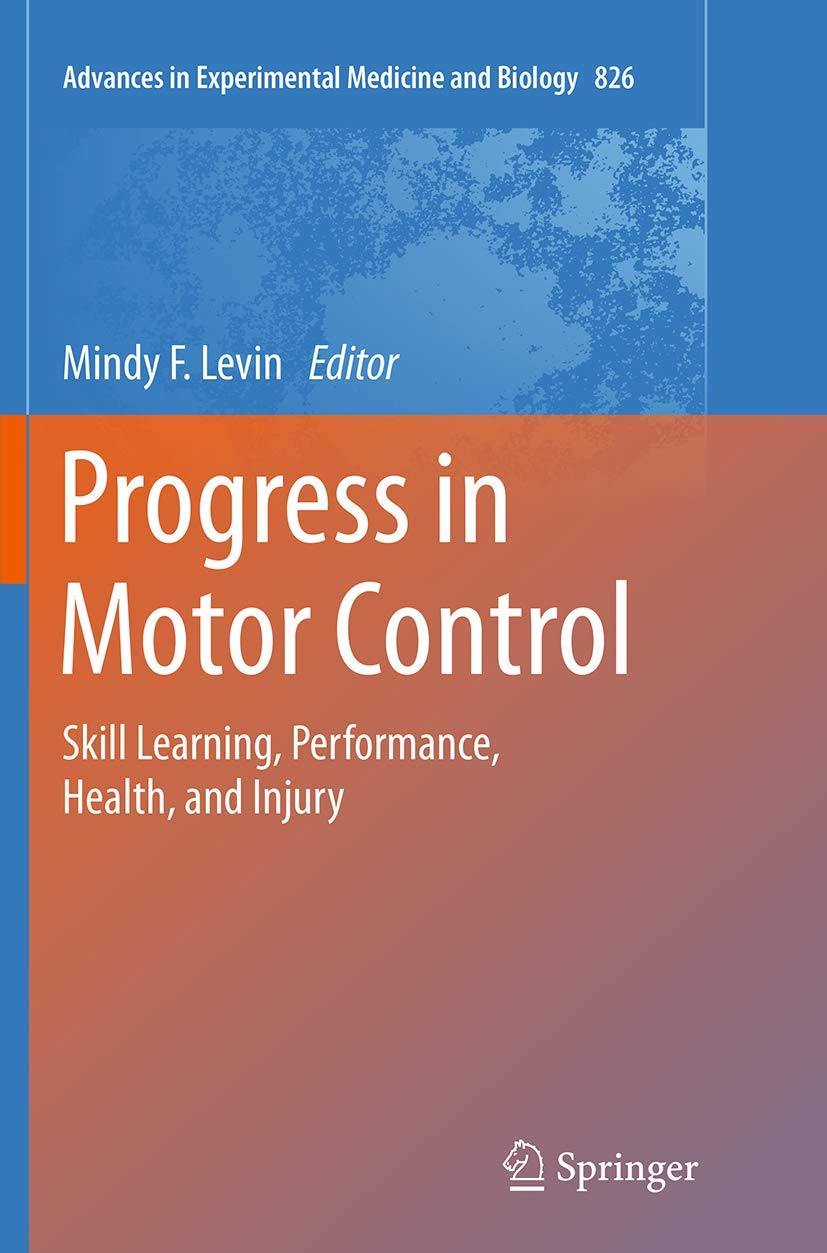
In this review of Progress in Motor Control: Skill Learning, Performance, Health, and Injury, the reviewer finds a focused, research-driven collection ideal for clinicians and researchers seeking contemporary perspectives on motor control. Compiled from presentations at the Progress in Motor Control IX meeting at McGill University in July 2013, this volume offers a cohesive overview of recent experimental and theoretical advances. The single biggest reason to buy is its concentrated snapshot of current science across species, making it a useful reference for anyone engaged in motor learning, rehabilitation, or neuroscientific study.
Key Features
- Conference-based contributions: Chapters are derived from invited presentations at the Progress in Motor Control IX meeting, providing curated material from leading researchers.
- Broad research scope: The volume covers motor control research in humans and other species, which helps readers compare mechanisms across models.
- Interdisciplinary relevance: Material links skill learning, performance, health, and injury, offering insights relevant to clinicians, therapists, and basic scientists.
- Recent perspectives: As the most recent installment in the series at the time, it captures contemporary methods and questions discussed in the field.
- Official ISMC meeting content: Being the official scientific meeting of the International Society of Motor Control adds scholarly credibility and community relevance.
Who It's For
Researchers and academics in neuroscience, motor control, and rehabilitation will find this volume useful as a concise collection of talks that reflect active lines of inquiry. It works well as a reference to follow up on specific experimental approaches or to situate new studies within ongoing debates.
Clinicians and graduate students focused on motor learning, performance enhancement, or injury rehabilitation can use the book to inform translational thinking, though readers seeking step-by-step clinical protocols should look to clinical handbooks rather than this conference proceedings volume.
Pros & Cons
Pros
- Consolidates invited talks into a single volume, saving time for readers who want curated conference insights.
- Includes cross-species perspectives that broaden understanding of motor control mechanisms.
- Connects basic research to applied topics like performance and injury, useful for translational thinking.
Cons
- As a conference-based volume, some chapters may be concise and assume background knowledge rather than providing exhaustive reviews.
Specifications
| Title | Progress in Motor Control: Skill Learning, Performance, Health, and Injury |
| Series | Progress in Motor Control (Advances in Experimental Medicine and Biology, 826) |
| Editor/Author | Mindy F. Levin |
| Source | Contributions from Progress in Motor Control IX meeting, McGill University, July 2013 |
| Scope | Motor control research in humans and other species |
| Affiliation | Official scientific meeting of the International Society of Motor Control (ISMC) |
Our Verdict
Progress in Motor Control is recommended for researchers, graduate students, and clinicians who want a compact, peer-informed overview of contemporary motor control topics. It delivers good value as a conference volume that synthesizes invited presentations into coherent chapters, especially for readers looking to connect experimental findings to issues of performance, health, and injury.
Frequently Asked Questions
Is this book a collection of original research or review chapters?
Answer. The volume compiles contributions based on invited presentations at the Progress in Motor Control IX meeting, so it contains a mix of original findings and scholarly overviews presented by speakers.
Does the book cover clinical rehabilitation techniques?
Answer. It addresses clinical topics in the context of motor control, performance, and injury, but it is not a step-by-step clinical manual; it is best used to inform translational understanding.
Which audiences will benefit most?
Answer. Neuroscience researchers, graduate students, and clinicians interested in the theoretical and experimental foundations of motor learning and control will benefit most from this volume.
Editor's Take
Recommended for researchers and clinicians seeking a concise, conference-based overview of contemporary motor control research, this volume synthesizes invited presentations into useful perspectives on skill learning, performance, health, and injury.

Recently viewed
Recently viewed products will appear here as customers browse the store.