

Psychoanalytic Concepts and Technique in Development - Clear
Psychoanalytic Concepts and Technique in Development - Clear
Price subject to change. Tap below for current.
Couldn't load pickup availability
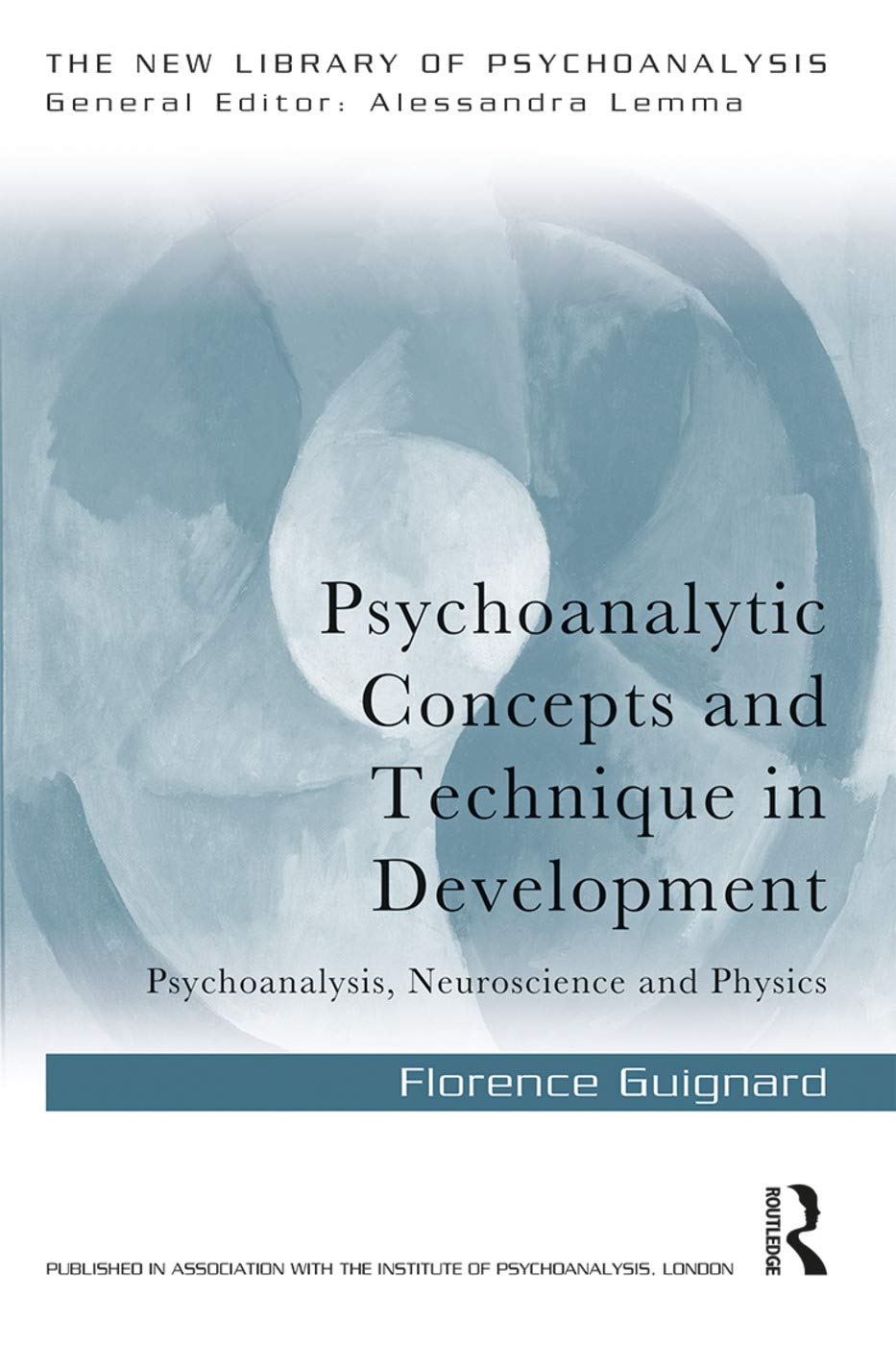
In this review of Psychoanalytic Concepts and Technique in Development, Florence Guignard offers a clear, compact survey of contemporary psychoanalytic theory and clinical technique that will appeal to trainees and practicing clinicians. The book's single biggest reason to buy is its synthesis: it links a largely post-Freudian, French perspective with influential thinkers such as Klein, Bion and Winnicott while also registering ideas from neuroscience and physics, making it useful for readers who want a broad, theory-informed view of technique and conceptual development.
Key Features
- Comprehensive theoretical overview: The text presents major drives and classical concepts in psychoanalysis so readers can understand the tradition behind current practice.
- Integration of perspectives: Guignard draws on French post-Freudian thought alongside Klein, Bion and Winnicott to illustrate how different frameworks shape clinical work.
- Clinical technique focus: The book explains how theoretical choices condition therapeutic technique, helping clinicians reflect on their own practice.
- Forward-looking links: By referencing findings from neuroscience and physics, the work encourages readers to consider interdisciplinary influences on psychoanalytic development.
- Training relevance: The clear exposition is geared to contemporary analytic training, making it a practical companion for trainees and supervisors.
Who It's For
This book is best suited for psychoanalytic trainees, clinicians in psychotherapy or psychiatry seeking a thoughtful refresher, and academic readers interested in how French psychoanalytic traditions relate to Anglo-language schools. Its synthesis is particularly helpful for those who want to situate technical choices within a broader conceptual history.
Readers seeking a highly technical neuroscientific textbook, a step-by-step therapy manual, or an introductory handbook for general self-help will find less here; the emphasis is on conceptual framing and clinical technique rather than exhaustive empirical methods or practical exercises.
Pros & Cons
Pros
- Accessible synthesis of post-Freudian French thought with Klein, Bion and Winnicott for clearer clinical orientation.
- Focus on how conceptual frameworks shape therapeutic technique, useful for reflective practitioners and trainees.
- Interdisciplinary references to neuroscience and physics encourage contemporary relevance and intellectual curiosity.
Cons
- Not a step-by-step manual for practitioners seeking prescriptive technique or detailed empirical protocols.
Specifications
| Title | Psychoanalytic Concepts and Technique in Development |
| Author | Florence Guignard |
| Perspective | Post-Freudian French, with Klein, Bion and Winnicott |
| Focus | Theory and clinical technique |
| Interdisciplinary links | Neuroscience and physics referenced |
| Intended audience | Trainees, clinicians, academic readers |
Our Verdict
Guignard delivers a thoughtful, well-organized synthesis that is especially valuable for trainees and clinicians who want to ground their technique in a clear conceptual map. It is good value for readers seeking intellectual breadth and clinical reflection rather than a prescriptive manual, and it stimulates productive thinking about how theory conditions practice.
Frequently Asked Questions
Is this book suitable for beginners?
It assumes some familiarity with psychoanalytic ideas; beginners will benefit but may need supplementary introductory texts.
Does it include clinical examples?
The emphasis is on conceptual and technical framing rather than extensive case material or step-by-step procedures.
How up to date is the interdisciplinary content?
The book references contemporary findings from neuroscience and physics to suggest directions rather than provide exhaustive scientific review.
Editor's Take
A thoughtful synthesis that helps trainees and clinicians link psychoanalytic theory to clinical technique; best for readers seeking conceptual clarity rather than a prescriptive manual.

Recently viewed
Recently viewed products will appear here as customers browse the store.