

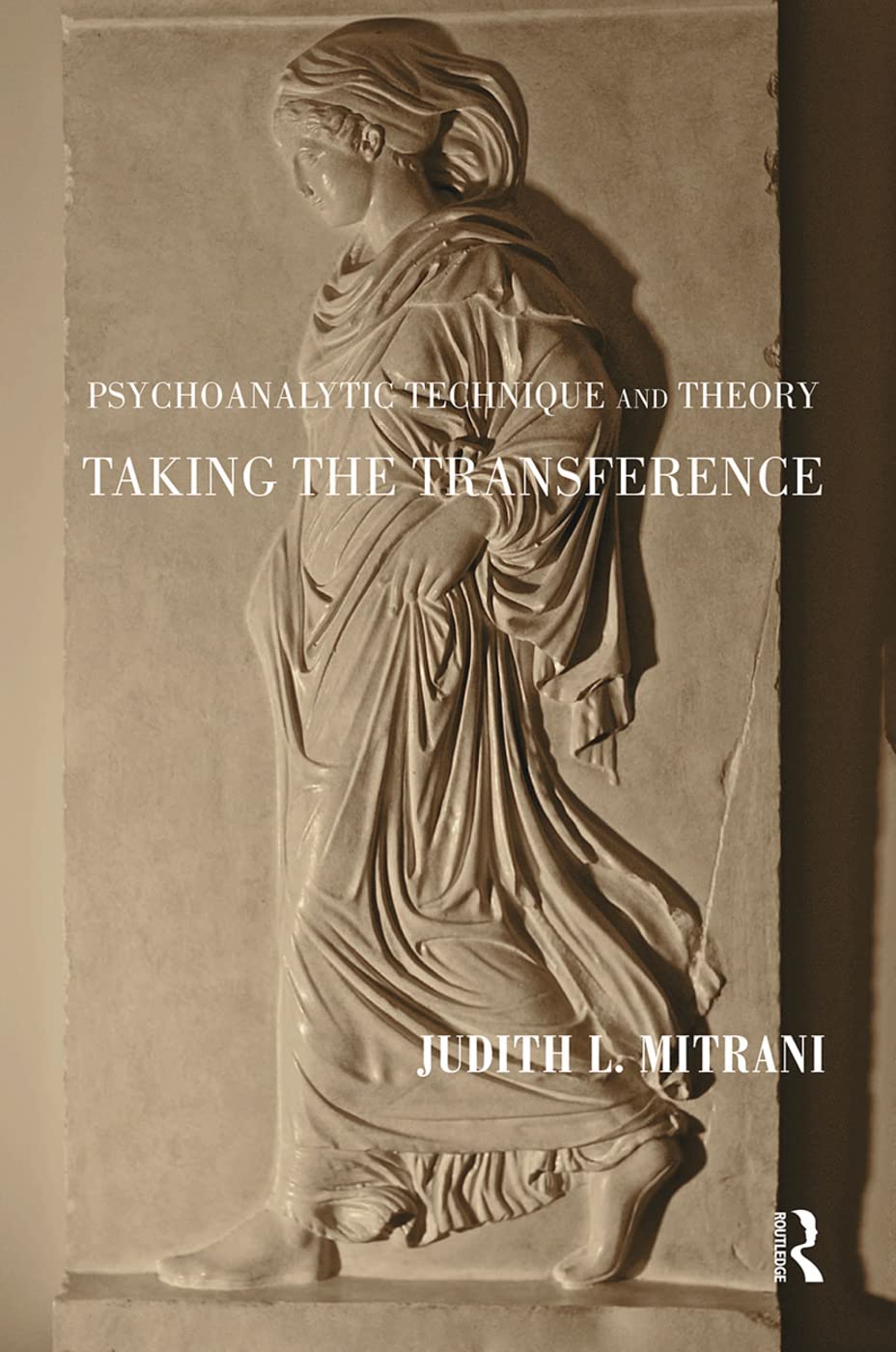
Psychoanalytic Technique and Theory - Clinical Essays on Transference
Psychoanalytic Technique and Theory - Clinical Essays on Transference
Price subject to change. Tap below for current.
Couldn't load pickup availability
In this review of Psychoanalytic Technique and Theory the reviewer finds a thoughtful, case-driven collection aimed at clinicians and serious students of psychoanalysis; its single biggest reason to buy is the clear exposition of the author's concept of taking the transference, illustrated by clinical vignettes that connect Freud's essay on Gradiva to practical technique. The book assumes familiarity with psychoanalytic ideas and rewards careful reading with precise reflections on how a therapist can engage the patient's fantasy without immediately disconfirming it, an approach rooted in the notion of "cure by love" described in the Gradiva case.
Key Features
- Conceptual focus: Explains the author's notion of taking the transference, providing a coherent theoretical lens for clinical work.
- Clinical vignettes: Uses detailed case material to show how technique unfolds in real therapeutic encounters, making abstract ideas concrete.
- Freud-inspired analysis: Engages Freud's paper on Gradiva to ground modern technique in classical psychoanalytic literature.
- Technique emphasis: Discusses specific therapeutic moves, including when to follow a patient's delusion and when to disentangle fantasy from reality.
- Readable essays: Presents a series of essays that can be read individually or as a cumulative argument about clinical practice.
Who It's For
This volume is best for practicing psychoanalysts, psychotherapists in training, and advanced students of psychology who want to deepen their understanding of transference work and clinical technique. Readers who appreciate theoretical reflection anchored to case material will find the essays especially useful.
It is less suitable for general readers seeking a broad introduction to psychology or for those looking for step-by-step manuals; the material presumes prior acquaintance with psychoanalytic concepts and a tolerance for dense clinical description.
Pros & Cons
Pros
- Clear articulation of taking the transference that links theory to practice.
- Illustrative clinical vignettes that make technique accessible and relatable.
- Thoughtful engagement with Freud's Gradiva that situates contemporary practice in a classical context.
Cons
- Not an introductory text; readers without background in psychoanalysis may struggle with terminology and assumptions.
Specifications
| Title | Psychoanalytic Technique and Theory |
| Author | Judith L. Mitrani |
| Content type | Collection of essays and clinical vignettes |
| Main themes | Transference, Gradiva, technique |
| Approach | Freudian-inspired clinical analysis |
| Audience | Clinicians and advanced students |
Our Verdict
Judith L. Mitrani's Psychoanalytic Technique and Theory is a valuable, idea-rich collection for clinicians who want an articulate exploration of how to use transference in therapy. Its practical vignettes and sustained link to Freud's Gradiva make it a good value for those seeking deeper technical understanding, though it is best suited to readers with prior psychoanalytic training.
Frequently Asked Questions
Does this book explain the Gradiva case?
The essays open from Freud's paper on Gradiva and repeatedly return to that case as a conceptual anchor for clinical technique.
Is this suitable for beginning therapists?
It is more appropriate for clinicians and advanced students; beginners may find the assumptions and terminology challenging.
Are there clinical examples?
Yes, the book includes multiple clinical vignettes that demonstrate how the author's ideas apply in practice.
Editor's Take
Psychoanalytic Technique and Theory is a clinician-focused, idea-rich collection that lucidly develops taking the transference through Freud's Gradiva and clinical vignettes, best for trained therapists and advanced students.

Recently viewed
Recently viewed products will appear here as customers browse the store.