

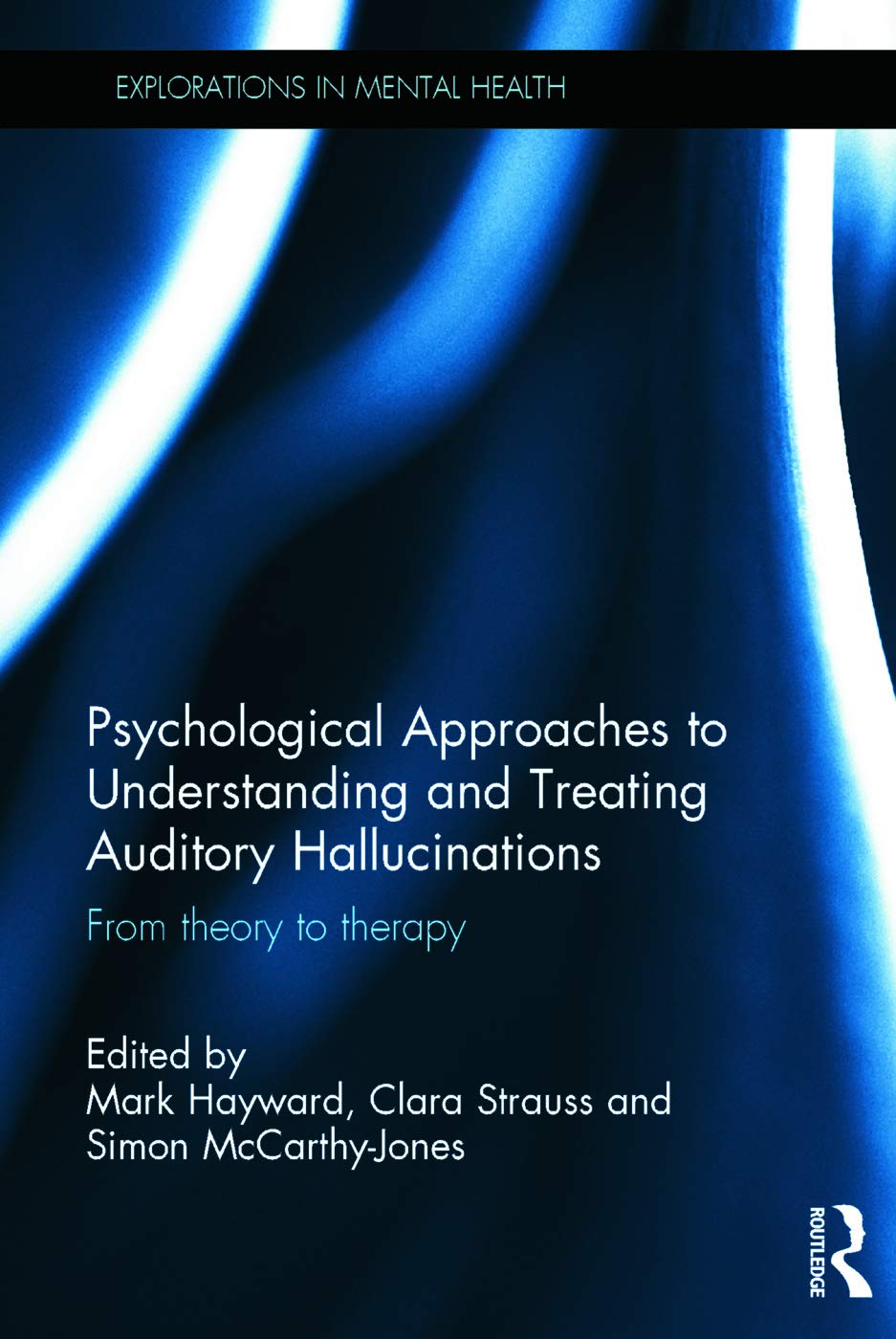
Psychological Approaches to Understanding and Treating Auditory
Psychological Approaches to Understanding and Treating Auditory
Price subject to change. Tap below for current.
Couldn't load pickup availability
Our review of Psychological Approaches to Understanding and Treating Auditory Hallucinations finds it a measured, research-grounded resource for clinicians, researchers and graduate students seeking a comprehensive synthesis of three decades of work. The book's single biggest strength is its balanced integration of theory and therapy: readers get both a historical narrative of evolving evidence and a practical critique of therapeutic techniques, which makes it useful for grounding treatment decisions in a clear appraisal of current knowledge.
Key Features
- Historical narrative: Traces lessons learnt over three decades to help readers contextualise modern approaches and avoid repeating past mistakes.
- Evidence synthesis: Reviews clinical research findings to present which interventions have empirical support and which need further study.
- Crossover of theory and practice: Explains cognitive models alongside therapeutic applications so practitioners can align formulation with intervention choices.
- Critical appraisal: Offers critiques of varying therapeutic techniques that enable clinicians to weigh benefits and limitations for individual cases.
- Range of topics: Covers behavioural and coping strategies, cognitive models, identity and self-esteem, and acceptance-based approaches for a rounded view.
Who It's For
This book is best suited to clinical psychologists, psychiatrists, therapists and advanced trainees who need a rigorous, literature-informed overview of work on auditory hallucinations and practical implications for therapy. It is also valuable to researchers designing studies or systematic reviews who require a clear account of methodological issues and the evolution of evidence bases.
Those looking for an introductory self-help manual or brief how-to therapy guide should look elsewhere; the book assumes familiarity with clinical concepts and is framed as a scholarly review rather than a step-by-step treatment workbook.
Pros & Cons
Pros
- Comprehensive synthesis links decades of research to clinical practice, aiding informed treatment decisions.
- Balanced critique of therapeutic techniques helps clinicians compare approaches without hype.
- Includes multiple perspectives-behavioural, cognitive, acceptance-based-so readers encounter varied evidence and theory.
Cons
- Not designed as a practical, day-to-day therapy manual, so clinicians seeking treatment scripts may be disappointed.
Specifications
| Title | Psychological Approaches to Understanding and Treating Auditory Hallucinations |
| Series | Explorations in Mental Health |
| Authors / Editors | Mark Hayward, Clara Strauss, Simon McCarthy-Jones |
| Focus areas | Behavioural and coping approaches, cognitive models, self-esteem and identity, acceptance-based methods |
| Scope | Review of clinical research findings from the last three decades |
| Approach | Historical narrative, evidence synthesis and critique of therapeutic techniques |
Our Verdict
This title is a strong value for clinicians and researchers who need a thoughtful, evidence-focused review linking theory to therapy. It will not replace practical manuals, but it provides the critical context and balanced appraisal necessary to make better-informed treatment decisions.
Frequently Asked Questions
Does this book cover specific therapy techniques?
Answer. It critiques and explains a range of therapeutic techniques, but is written as a review and critique rather than a step-by-step therapy manual.
Who wrote the book?
Answer. The work is presented by Mark Hayward, Clara Strauss and Simon McCarthy-Jones with contributions focused on clinical research and theoretical perspectives.
Is it suitable for beginners?
Answer. It is aimed at clinicians, researchers and advanced students; readers seeking beginner-level self-help should consider more practice-focused titles.
Editor's Take
A research-focused, balanced review that links decades of evidence to practical therapy considerations; ideal for clinicians and researchers who need critical context rather than a step-by-step treatment manual.

Recently viewed
Recently viewed products will appear here as customers browse the store.