Psychological Perspectives on Risk and Risk Analysis Explained
Psychological Perspectives on Risk and Risk Analysis Explained
Price subject to change. Tap below for current.
Couldn't load pickup availability
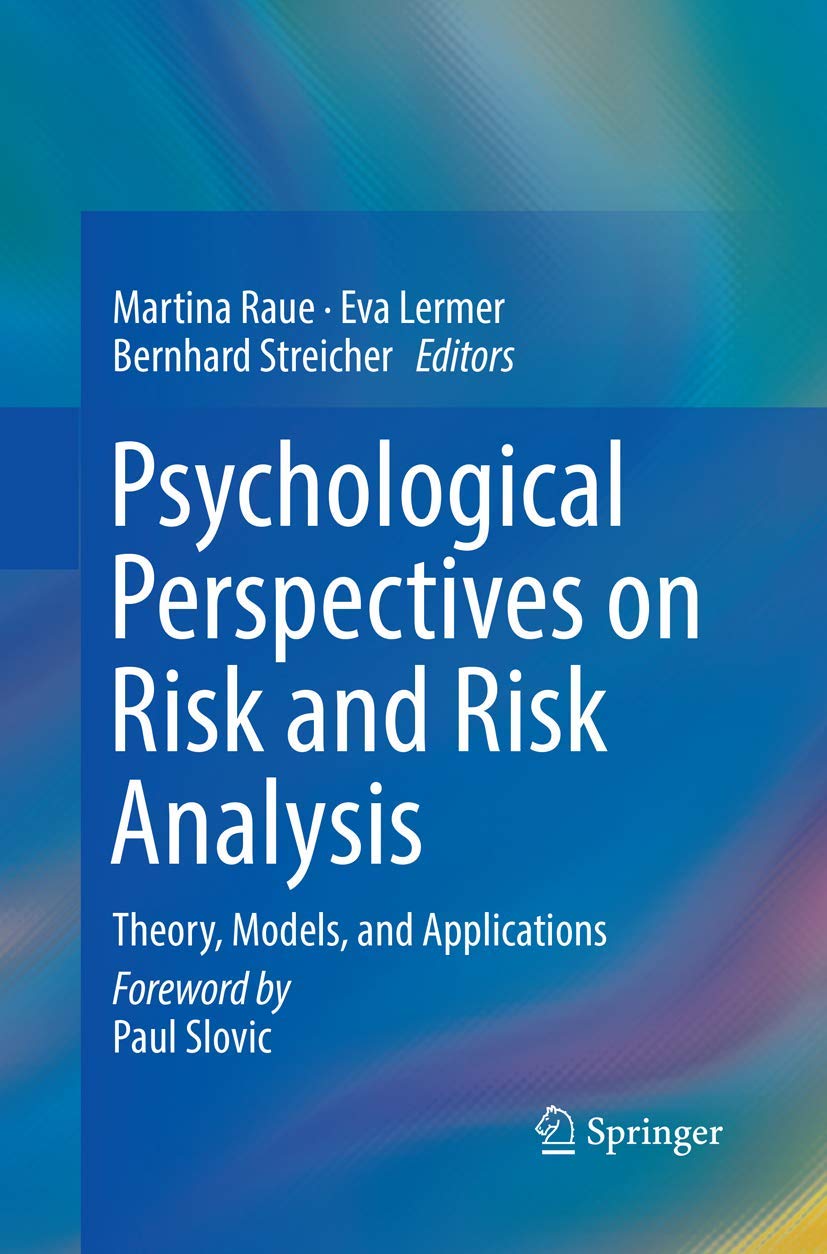
The book Psychological Perspectives on Risk offers a comprehensive exploration of the intricate relationship between psychology and risk analysis. Authored by experts Martina Raue, Eva Lermer, and Bernhard Streicher, this text delves into various theories and models that shape our understanding of risk in everyday life.
One of the key features of this book is its focus on theoretical frameworks that underpin risk perception. Readers will find a detailed examination of how psychological factors influence decision-making processes in uncertain situations. This is particularly relevant for professionals in fields such as finance, healthcare, and public policy, where understanding risk is crucial.
The authors present a variety of risk analysis models that are not only theoretical but also applicable in real-world scenarios. Each model is discussed in depth, providing readers with the tools they need to apply these concepts in practical settings. This makes the book an invaluable resource for both students and practitioners.
Furthermore, the book emphasizes the importance of applications of risk analysis in different domains. From environmental issues to economic challenges, the authors illustrate how psychological insights can enhance our approach to risk management. This broad perspective ensures that readers can relate the content to their specific fields of interest.
Another highlight of this text is its engaging writing style, which makes complex concepts accessible to a wide audience. The authors use clear examples and case studies to illustrate their points, making it easier for readers to grasp the nuances of risk psychology. This approach not only aids comprehension but also encourages critical thinking about how we perceive and respond to risk.
In addition to theoretical insights, the book also addresses the emotional aspects of risk. Understanding how emotions influence our perception of risk is essential for effective decision-making. The authors provide valuable insights into how fear, anxiety, and other emotions can skew our understanding of risk, leading to potentially detrimental choices.
Overall, Psychological Perspectives on Risk and Risk Analysis is a must-read for anyone interested in the intersection of psychology and risk. Whether you are a student, researcher, or professional, this book will equip you with a deeper understanding of how psychological factors shape our perceptions and decisions regarding risk. With its thorough analysis and practical applications, it stands out as a significant contribution to the field.
Share