

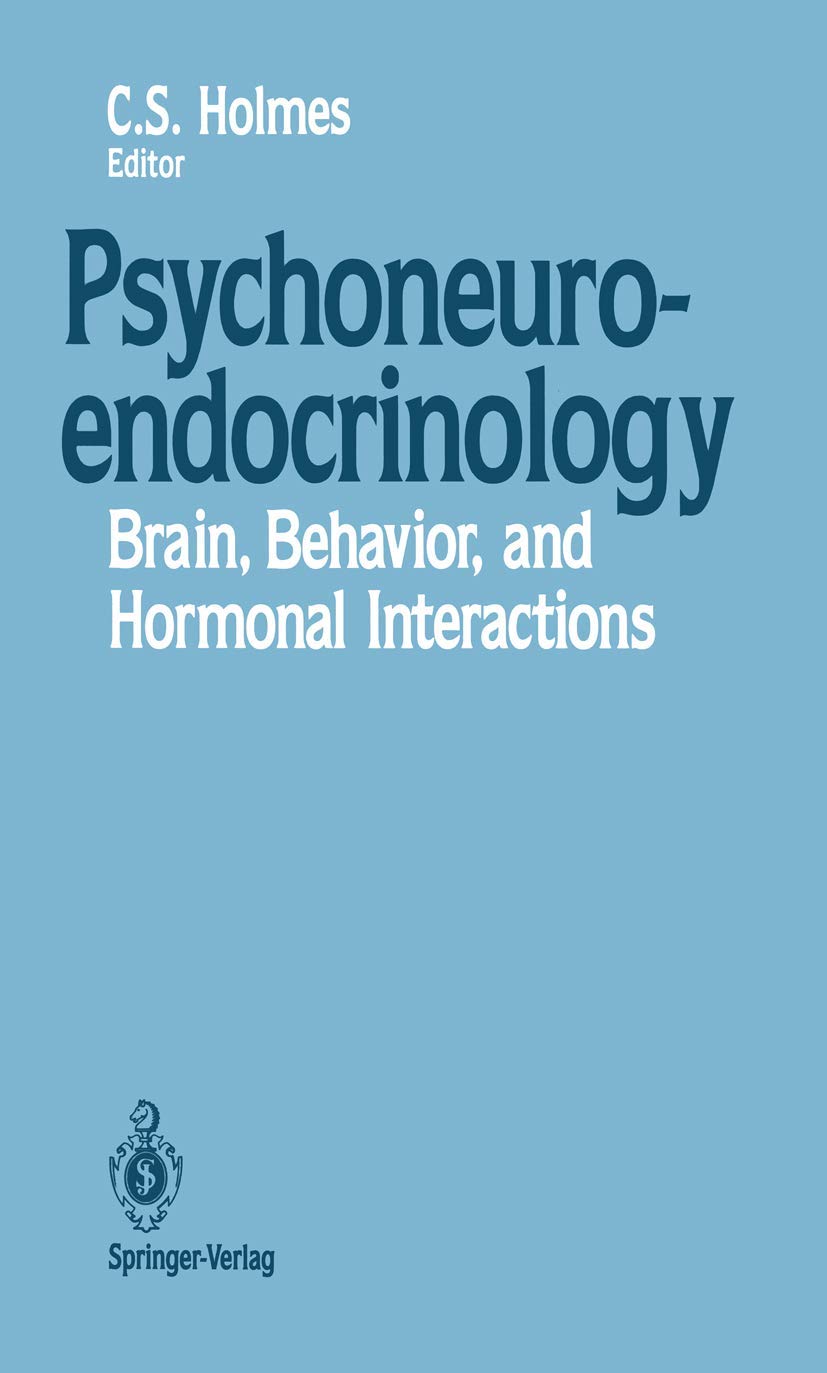
Psychoneuroendocrinology: Brain, Behavior, and Hormonal Interactions
Psychoneuroendocrinology: Brain, Behavior, and Hormonal Interactions
Price subject to change. Tap below for current.
Couldn't load pickup availability
In this review of Psychoneuroendocrinology: Brain, Behavior, and Hormonal Interactions the emphasis is on a book that bridges historical context and empirical development for readers who want a thoughtful, academically framed account of mind-body research. The book is most useful to graduate students, clinicians, and researchers who value a narrative that traces early clinical formulations alongside more recent empirical questions. The single biggest reason to buy is its clear presentation of how observational hypotheses from earlier eras informed the design and aims of later studies, making it a useful companion for those comparing conceptual history with contemporary methods.
Key Features
- Historical overview: Chapters often divide material into discrete sections that make it easy to follow the historical progression of ideas and clinical formulations.
- Clinical observation focus: Early research hypotheses are presented as products of astute clinical observation, helping readers appreciate original reasoning behind seminal studies.
- Comparative framing: The text juxtaposes older philosophies and techniques with more empirical modern approaches to show how the field evolved.
- Educational structure: Discrete sections within chapters create a readable layout that supports classroom use and focused study on specific eras of inquiry.
- Research context: Reviews of antecedent work are used as a yardstick for current studies, helping readers evaluate progress in psychoneuroendocrine research.
Who It's For
This book is best for graduate students in neuroscience, psychiatry trainees, and researchers in psychoneuroendocrinology who want a contextual, historically informed perspective rather than a methods-first manual. It suits readers who value critical reflection on how clinical observations shaped early hypotheses and who need a readable narrative to connect historical ideas with contemporary empirical questions.
Practitioners seeking step-by-step experimental protocols or a handbook of current laboratory techniques should look elsewhere; this volume emphasizes conceptual development and historical antecedents rather than procedural detail or exhaustive methodological instruction.
Pros & Cons
Pros
- Clear historical framing that helps trace the evolution of key ideas in the field.
- Focus on clinical observation provides insight into the origins of enduring research questions.
- Readable chapter structure with discrete sections makes targeted study straightforward.
Cons
- Not a practical methods manual, so readers needing lab protocols will find it limited.
Specifications
| Title | Psychoneuroendocrinology: Brain, Behavior, and Hormonal Interactions |
| Author | Clarissa S. Holmes |
| Coverage style | Historical overview with empirical comparison |
| Structure | Chapters divided into discrete sections by era |
| Target readers | Graduate students, clinicians, researchers |
| Focus | Clinical observation and the development of research hypotheses |
Our Verdict
Psychoneuroendocrinology offers thoughtful, well-organized context for readers who want to understand how early clinical formulations informed later empirical work. It is a good value for students and researchers who need a narrative that links historical antecedents to present questions, but it is not intended as a laboratory methods reference.
Frequently Asked Questions
Is this book suitable for beginners?
It is most useful for readers with some background in neuroscience or clinical research; absolute beginners may find the historical framing dense without prior context.
Does it include experimental protocols?
No, the book emphasizes conceptual and historical development rather than step-by-step laboratory methods.
Will clinicians find practical guidance here?
Clinicians will gain perspective on the origins of clinical hypotheses, but should consult other resources for applied treatment guidance.
Editor's Take
A thoughtful, historically oriented volume that links early clinical observations to later empirical research; recommended for graduate students and researchers seeking conceptual context rather than lab protocols.

Recently viewed
Recently viewed products will appear here as customers browse the store.