

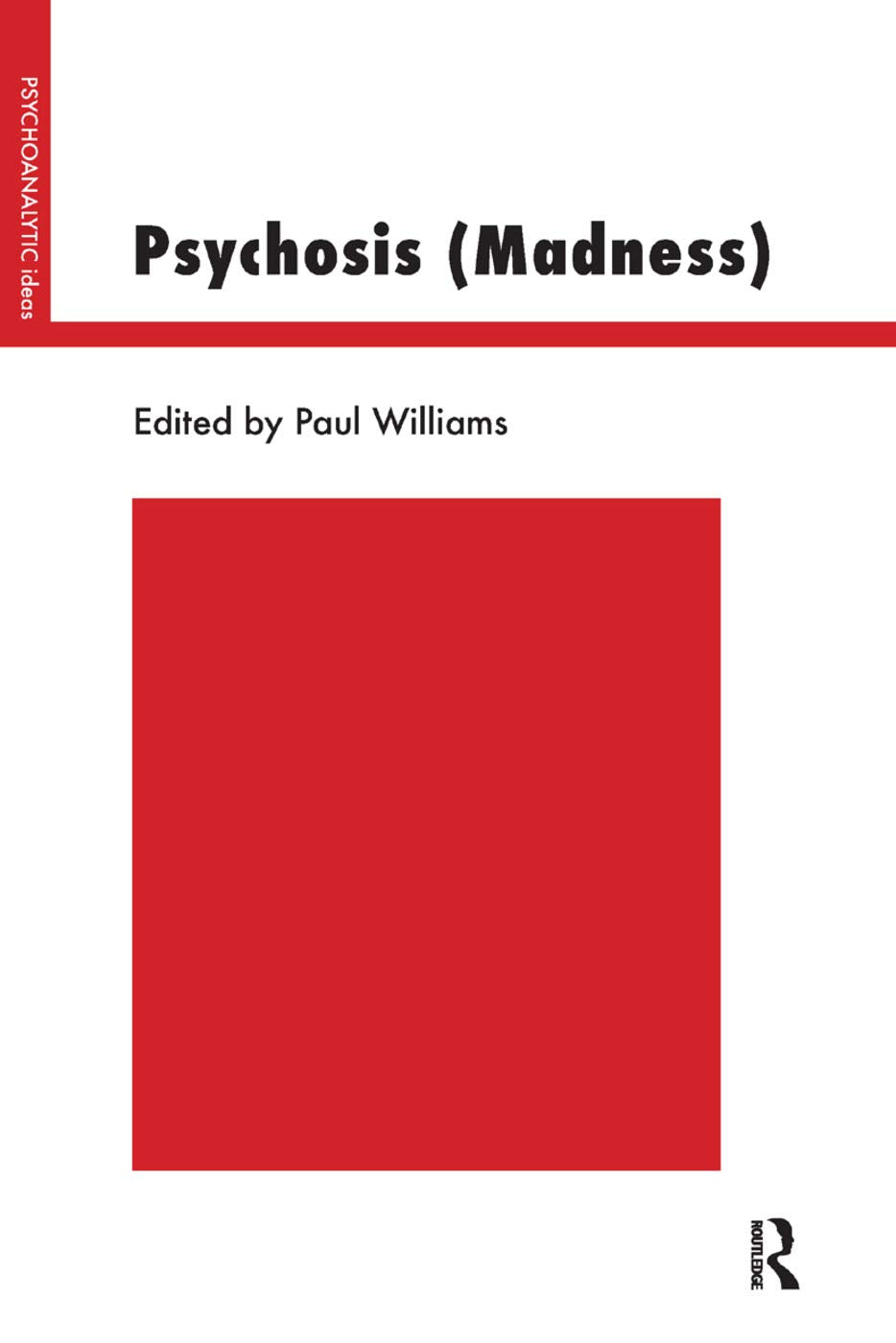
Psychosis (Madness) - Psychoanalytic Ideas Series Paul
Psychosis (Madness) - Psychoanalytic Ideas Series Paul
Price subject to change. Tap below for current.
Couldn't load pickup availability
In this review of Psychosis (Madness) from the Psychoanalytic Ideas Series, the reviewer finds a focused collection aimed at clinicians and students seeking psychoanalytic perspectives on severe mental illness. The book gathers British psychoanalysts who explore intra-psychic and subjective meaning in a range of psychotic conditions, and its single biggest reason to buy is the depth of clinical description showing how analysts pursue meaning in psychosis rather than relying solely on diagnostic labels. This is a specialized, thoughtful volume rather than a general textbook.
Key Features
- Clinical focus: Chapters emphasize the psychoanalytic clinician's methods for uncovering intra-psychic meaning, helping readers see how interpretation is applied in psychotic contexts.
- Varied cases: Multiple papers address different types of psychotic illness, offering a range of clinical situations rather than a single case study.
- British psychoanalytic perspective: Contributors from the UK provide a distinct professional and theoretical outlook that may broaden international readers' understanding of practice.
- Subjective meaning: The book consistently prioritizes patients' inner experience, assisting clinicians in appreciating subjective states behind symptoms.
- Treatment context discussion: Each paper relates understanding to context or treatment, making the material relevant for applied clinical work.
Who It's For
Psychosis (Madness) is most useful for psychoanalytic clinicians, trainees, and advanced students in psychiatry or clinical psychology who want case-based thinking about psychotic patients and how analysts search for subjective meaning. It suits readers who prefer theoretical discussion grounded in clinical material rather than brief summaries or broad epidemiology.
It is less appropriate for casual readers or those seeking a primer on psychosis, pharmacology, or general mental health care; those audiences will find the material specialized and assumes familiarity with psychoanalytic language and clinical practice.
Pros & Cons
Pros
- Provides detailed clinical illustrations that demonstrate how analysts explore intra-psychic meaning in psychosis.
- Offers a range of papers covering distinct psychotic conditions and treatment contexts.
- Reflects a clear British psychoanalytic tradition, which can broaden comparative understanding for international clinicians.
Cons
- The volume is specialized and assumes prior psychoanalytic knowledge, so it may not serve beginners looking for introductory material.
Specifications
| Title | Psychosis (Madness) (The Psychoanalytic Ideas Series) |
| Editor/Author | Paul Williams |
| Subject | Psychoanalytic definitions of intra-psychic meaning in psychotic illness |
| Perspective | British psychoanalytic contributors |
| Content type | Collection of papers discussing context and treatment |
Our Verdict
Psychosis (Madness) is a valuable, specialist collection for clinicians and trainees who want psychoanalytic approaches to severe mental disorders. Its case-focused chapters and attention to subjective meaning make it a good investment for those engaged in analytic work with psychotic patients, though it is not intended as an introductory or general textbook.
Frequently Asked Questions
Does this book focus on clinical cases?
Yes; the volume is composed of papers that illustrate clinical work and how analysts search for intra-psychic meaning.
Is this suitable for beginners in psychology?
Not primarily; the content assumes familiarity with psychoanalytic concepts and clinical practice.
Are the contributors from a particular region?
Yes; the papers are written by British psychoanalysts offering a UK professional perspective.
Editor's Take
Psychosis (Madness) is a specialist collection offering case-focused psychoanalytic insight into psychotic illness, valuable for clinicians and trainees seeking depth on subjective meaning.

Recently viewed
Recently viewed products will appear here as customers browse the store.