

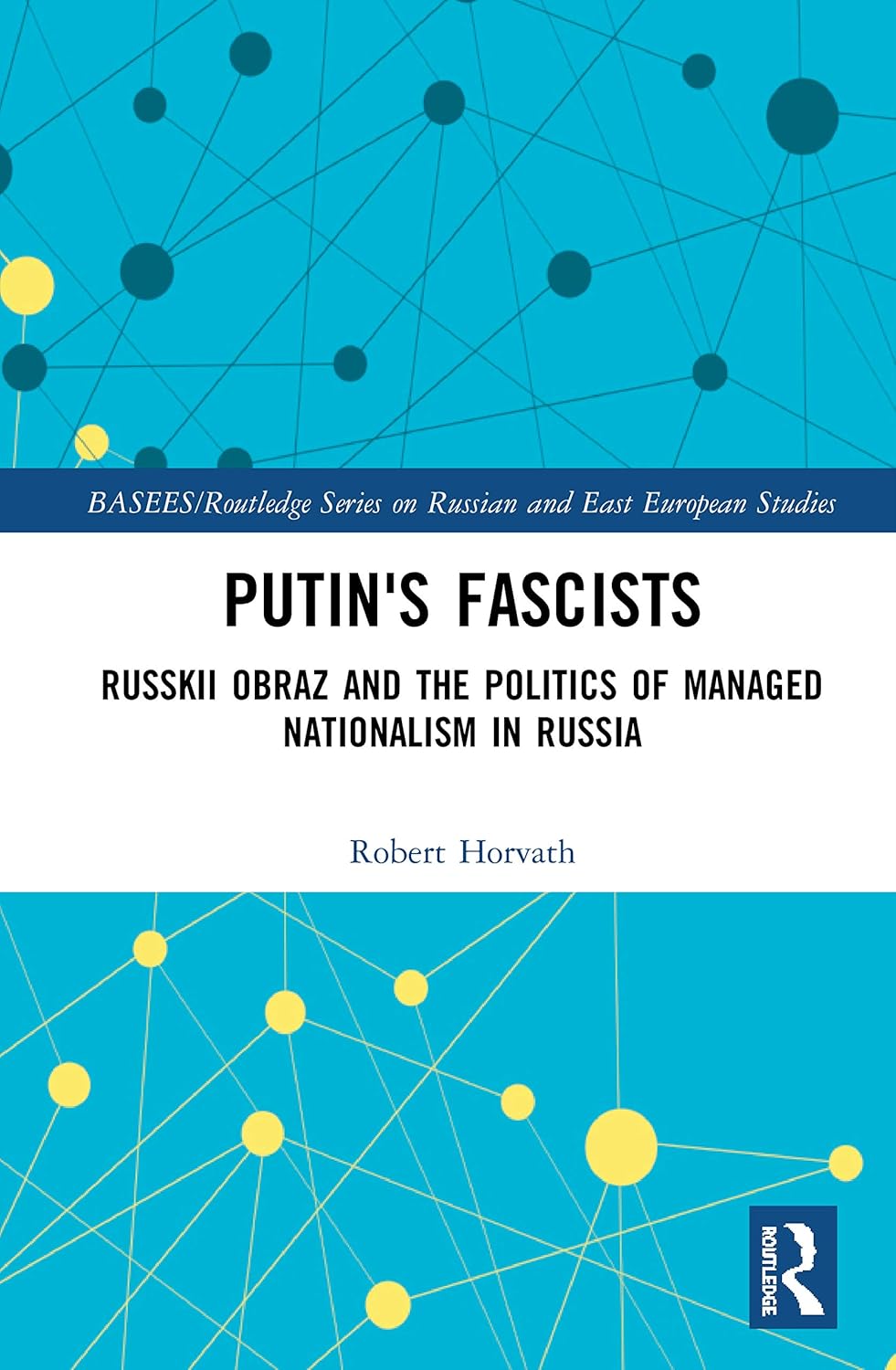
Putin's Fascists: Russkii Obraz and the Politics of Managed
Putin's Fascists: Russkii Obraz and the Politics of Managed
Price subject to change. Tap below for current.
Couldn't load pickup availability
In this review of Putin's Fascists, Robert Horvath offers a detailed, evidence-based account of how the Kremlin used extremist groups to advance a managed form of nationalism. The book is for readers who want a rigorous, documentary-driven analysis rather than polemic: legal records, media reporting and internet sources form the core evidence, showing the real-world ties between Russkii Obraz and state actors. The single biggest reason to read it is its close, sourced tracing of how neo-nazi networks were mobilised as proxies within Russia's slide toward authoritarianism.
Key Features
- Documentary evidence: Uses court records and legal documents to support claims and give readers access to primary-source detail.
- Media and internet sources: Draws on contemporary reporting and online material to track organisation activity and public networks.
- Focused case study: Concentrates on Russkii Obraz to illuminate broader patterns in Russian managed nationalism.
- Contextual analysis: Situates the group's role within Kremlin propaganda about denazification, clarifying political motives.
- Historical perspective: Links contemporary events to longer-term trends in Russian far right and state strategy.
Who It's For
The book is best for scholars, students and informed readers of contemporary politics who need a documented, source-based study of extremism in modern Russia and the state's interaction with radical groups. It will also appeal to journalists and policy analysts seeking concrete examples and citations to court records and media material.
Readers hoping for a broad general history of Russian fascism or a lightweight overview of the Ukraine war should look elsewhere; this is a focused academic study centred on one organisation and its political context rather than a sweeping narrative of the entire period.
Pros & Cons
Pros
- Meticulous sourcing makes it a reliable reference for researchers and journalists.
- Focused case study illuminates how extremist proxies can be enlisted in state politics.
- Clear use of court records and media sources increases the book's evidentiary value.
Cons
- Its narrow focus on Russkii Obraz means readers seeking a broad primer on Russian politics may find it too specialised.
Specifications
| Title | Putin's Fascists: Russkii Obraz and the Politics of Managed Nationalism in Russia |
| Author | Robert Horvath |
| Series | BASEES/Routledge Series on Russian and East European Studies |
| Subject focus | Russkii Obraz, neo-nazi mobilisation, state propaganda |
| Research sources | Court records, media and internet sources |
| Scope | Case study of managed nationalism and extremist proxies |
Our Verdict
Putin's Fascists is a worthwhile purchase for anyone who needs a tightly argued, well-sourced account of how the Kremlin engaged extremist groups as political tools; its documentary foundation gives it lasting value as a research resource, though its specialised focus makes it best suited to academic and professional readers rather than casual generalists.
Frequently Asked Questions
Does the book rely on original research?
Yes, it compiles and analyses primary materials such as court records and contemporaneous media and internet sources.
Is this a broad history of Russian fascism?
No, it is a focused case study centred on Russkii Obraz and the politics of managed nationalism.
Who is the author?
Robert Horvath, writing within the BASEES/Routledge academic series on Russian and East European studies.
Editor's Take
Putin's Fascists is a tightly argued, well-sourced study of Russkii Obraz and the Kremlin's use of extremist proxies; recommended for researchers and professionals seeking documentary evidence and detailed analysis.

Recently viewed
Recently viewed products will appear here as customers browse the store.