Qualitative Complexity in Post-Humanist Social Theory Explained
Qualitative Complexity in Post-Humanist Social Theory Explained
Price subject to change. Tap below for current.
Couldn't load pickup availability
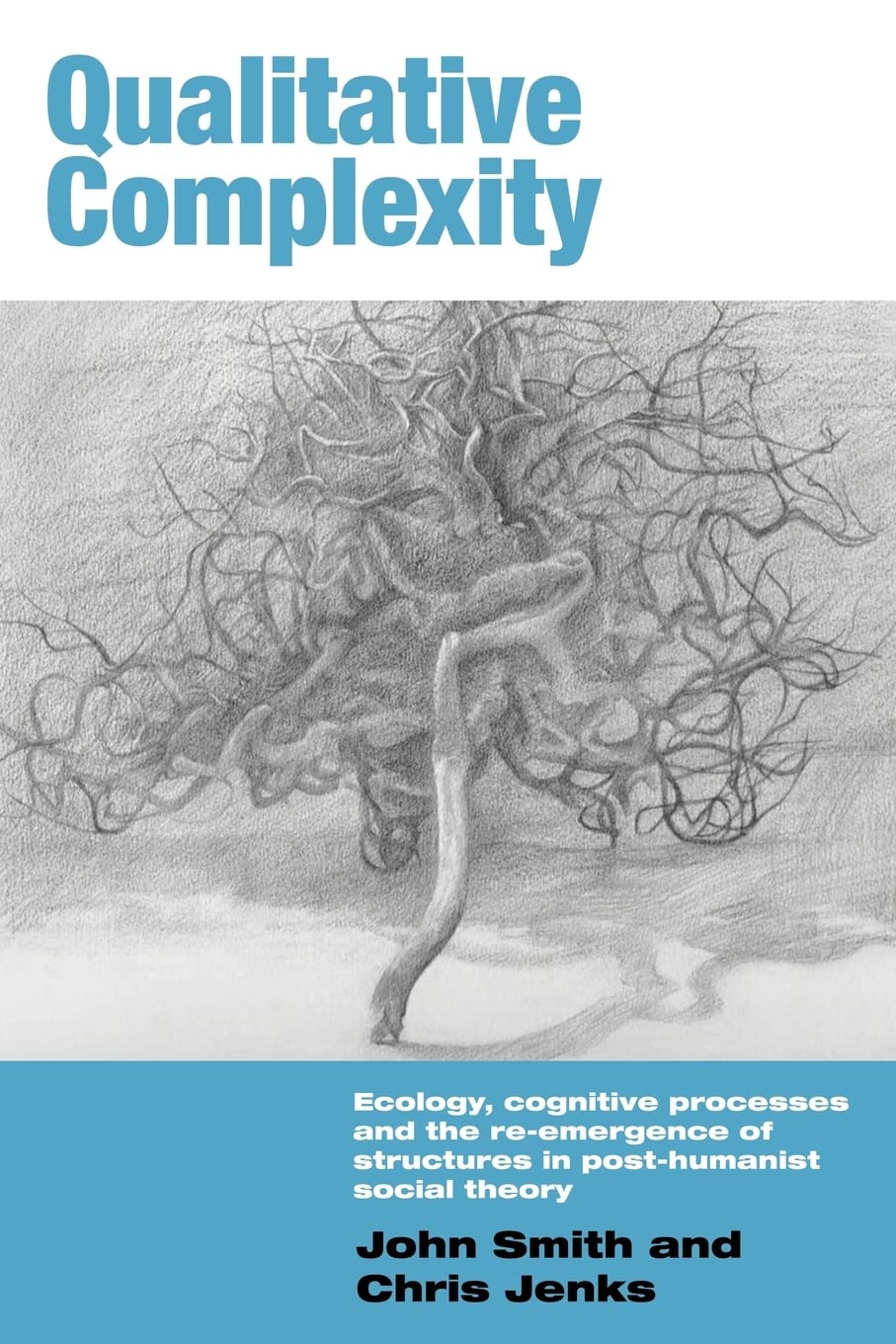
The book Qualitative Complexity offers a profound exploration into the intricate relationships between ecology and cognitive processes. Authored by Chris Jenks and John Smith, this insightful work delves into the re-emergence of structures within the framework of post-humanist social theory. It is a must-read for anyone interested in understanding the complexities of modern social dynamics.
One of the key themes of Qualitative Complexity is the interplay between ecological systems and human cognition. The authors argue that our understanding of social structures is deeply influenced by ecological factors, which shape our cognitive processes. This perspective challenges traditional views and invites readers to reconsider the foundations of social theory.
Throughout the book, Jenks and Smith provide a comprehensive analysis of how cognitive processes are intertwined with ecological contexts. They present a compelling case for the necessity of integrating ecological considerations into social theory, highlighting the importance of a holistic approach to understanding human behavior.
The authors also explore the concept of the re-emergence of structures in social theory, emphasizing how these structures are not static but rather dynamic and evolving. This notion is crucial for grasping the complexities of contemporary society, where traditional boundaries are increasingly blurred.
In addition to theoretical insights, Qualitative Complexity offers practical implications for researchers and practitioners alike. The book encourages a multidisciplinary approach, drawing from various fields such as sociology, ecology, and cognitive science. This fusion of disciplines enriches the discourse and provides a more nuanced understanding of social phenomena.
Moreover, the authors utilize a range of case studies to illustrate their arguments, making the content accessible and engaging. These real-world examples serve to ground the theoretical discussions, allowing readers to see the relevance of post-humanist social theory in addressing contemporary issues.
For those interested in the future of social theory, Qualitative Complexity presents a thought-provoking perspective that challenges conventional wisdom. It invites readers to think critically about the implications of ecological and cognitive factors on social structures, paving the way for new avenues of research and inquiry.
In conclusion, Qualitative Complexity is an essential addition to the library of anyone engaged in the study of sociology and related fields. Its innovative approach and rich theoretical insights make it a valuable resource for scholars, students, and practitioners seeking to navigate the complexities of our post-humanist world.
Share