

Queer Public History: Essays on Scholarly Activism - of Impact
Queer Public History: Essays on Scholarly Activism - of Impact
Price subject to change. Tap below for current.
Couldn't load pickup availability
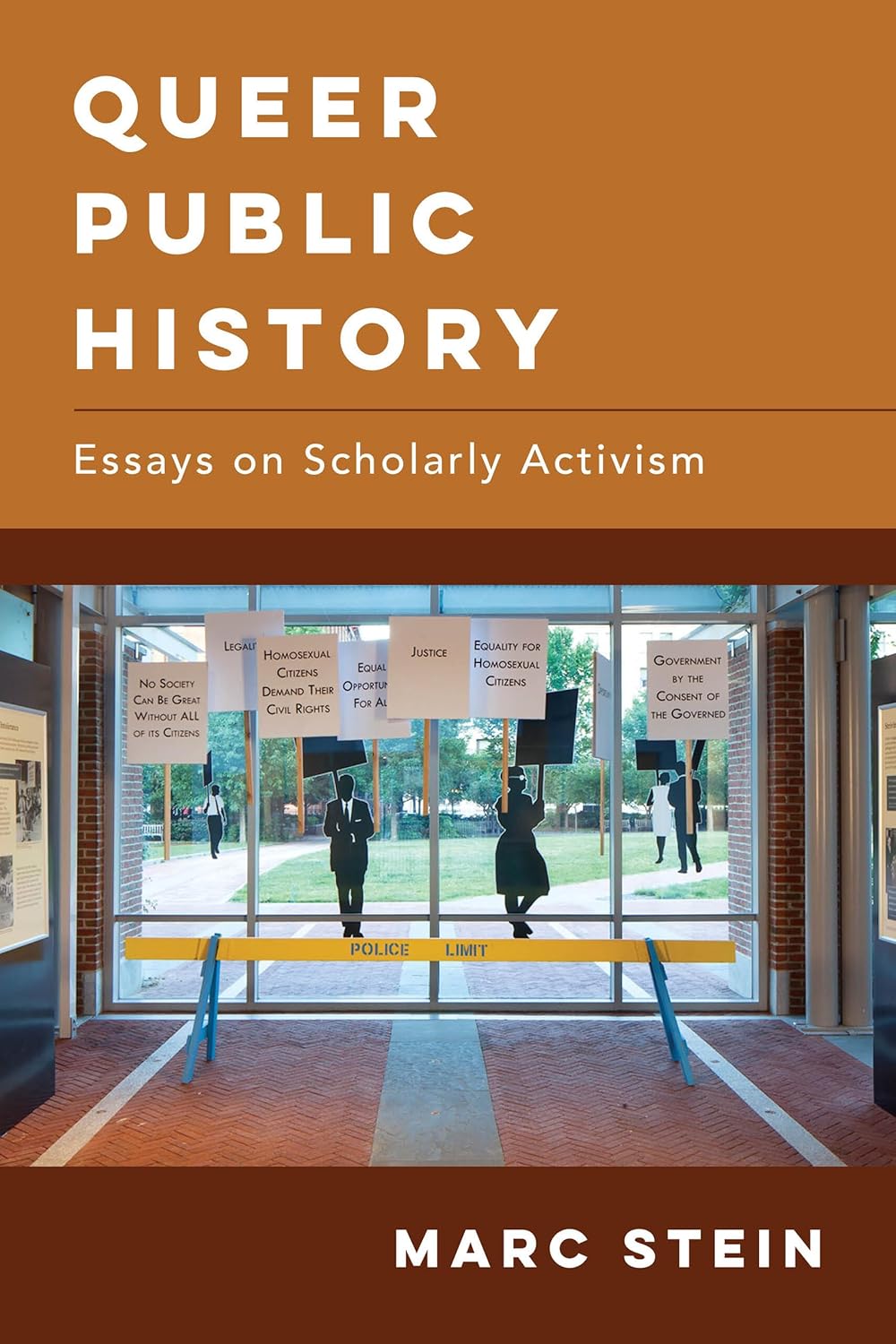
In this review of Queer Public History: Essays on Scholarly Activism, the bottom line is clear: this collection is essential for readers who want a nuanced account of how queer history moved from community practice into the academy. Marc Stein's essays, written across three decades, document that shift with a steady eye toward public engagement and activist scholarship. The book's greatest strength is its sustained focus on collaborative historymaking, showing how community scholars, activists, and academics each shaped research and public memory; for anyone studying gender studies, public history, or the politics of scholarship, this collection offers both narrative sweep and concrete examples.
Key Features
- Historical scope: Essays span roughly thirty years and trace the evolution of queer historical interventions from grassroots efforts to academic recognition, helping readers understand long-term change.
- Scholarly activism focus: Stein emphasizes how historians engaged politically and publicly, demonstrating the practical impact of research beyond the classroom.
- Community collaboration: The collection documents the role of community-based contributors and audiences, underscoring the value of nonacademic voices in producing queer history.
- AIDS crisis coverage: Several essays address the 1980s AIDS crisis, providing context for how public health emergencies shaped activism and scholarship.
- Accessible prose: The writing balances academic rigor with readability, making it suitable for both specialists and informed general readers.
- Collected essays format: As a compilation, the book allows readers to dip into particular episodes or read sequentially for a broader narrative.
Who It's For
This collection is aimed at graduate students, scholars in gender studies and public history, and activists interested in the intersections of research and social change. Its focus on historical interventions and public-facing scholarship makes it useful as a secondary text for courses on queer history or on the politics of historical practice.
Readers seeking a textbook-style overview of queer theory or a short popular history may want a more concise introduction; likewise, those looking for primary source archives rather than interpretive essays should consider complementary volumes. Still, this book remains a strong choice for readers wanting a reflective, practice-focused account.
Pros & Cons
Pros
- Provides a long-term perspective on how queer history moved into the academy, valuable for contextual understanding.
- Highlights collaboration between academics and community scholars, showing concrete benefits of inclusive research practices.
- Addresses pivotal moments such as the AIDS crisis, linking scholarship to political and social outcomes.
Cons
- The essay-collection format can feel uneven to readers expecting a single continuous narrative, though each piece contributes to the overall argument.
Specifications
| Title | Queer Public History: Essays on Scholarly Activism |
| Author | Marc Stein |
| Contents | Collected essays written over three decades |
| Subject areas | Queer history, public history, scholarly activism |
| Historical focus | Development of queer history from community roots to academic influence |
| Notable topics | The AIDS crisis and public-facing scholarship |
Our Verdict
Queer Public History is a thoughtful, well-documented collection that rewards readers who want to understand the practice and politics of queer scholarship. Its strength lies in documenting collaborative historymaking and the translation of activism into academic influence, making it good value for students, historians, and public historians seeking depth rather than a breezy summary.
Frequently Asked Questions
Does this book cover the AIDS crisis?
Yes. Several essays examine the 1980s AIDS crisis and its effects on activism and the direction of queer scholarship.
Is this suitable for classroom use?
Yes. The collected essays work well as course readings in gender studies, public history, or seminars on scholarly activism.
Who is the author?
Marc Stein, an award-winning historian, is the author and compiler of these essays reflecting on decades of queer historical work.
Editor's Take
Queer Public History offers a reflective, well-documented collection tracing how queer history moved from community practice into the academy; ideal for students and public historians seeking depth and examples of scholarly activism.

Recently viewed
Recently viewed products will appear here as customers browse the store.