

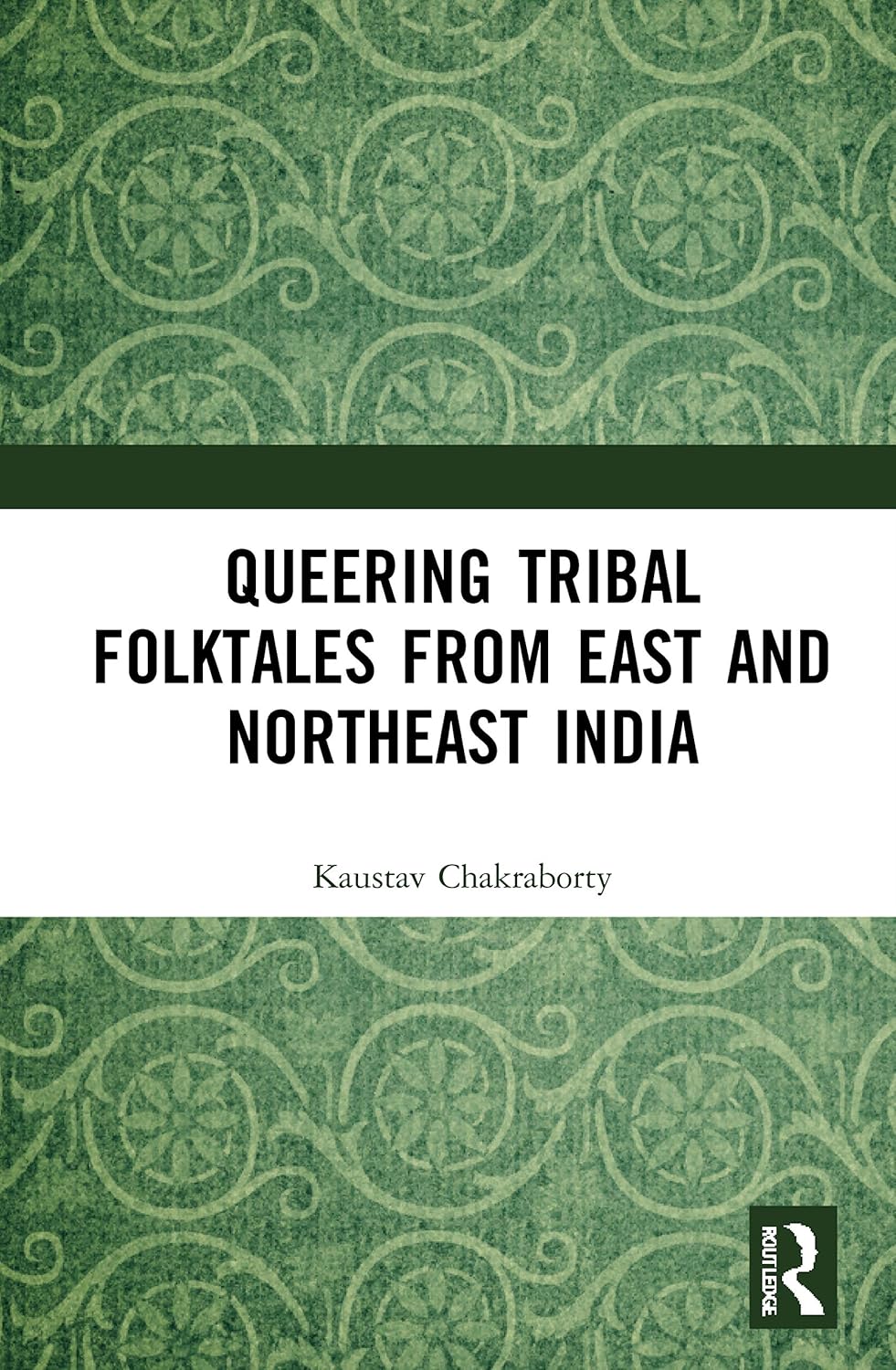
Queering Tribal Folktales from East and Northeast India - Critical
Queering Tribal Folktales from East and Northeast India - Critical
Price subject to change. Tap below for current.
Couldn't load pickup availability
In this review of Queering Tribal Folktales from East and Northeast India the reviewer finds a focused scholarly intervention for readers interested in gender studies and indigenous narratives. The book makes a clear case that queer expressions are embedded in the oral traditions of four indigenous communities, and this is the single biggest reason to read it: it situates minority sexualities within aboriginal cultural contexts rather than as Western imports. The tone is academic but accessible, and the work aims to challenge mainstream assumptions about Otherness.
Key Features
- Ethnographic focus: Detailed exploration of oral narratives from four indigenous communities reveals recurring motifs of gender fluidity and non-normative desire that enrich understanding of local cultures.
- Theoretical framing: The author challenges popular claims that queer identities are derived from Western influence, offering an alternative rooted in indigenous traditions.
- Cultural recovery: The volume highlights how tribal folktales act as repositories of alternative sexualities, which helps preserve marginalized cultural memory.
- Critical engagement: The book demystifies political narratives that portray queer identities as mimicry, encouraging readers to reassess mainstream queerphobic assumptions.
- Accessible prose: Though academic in scope, the writing aims to sensitize general readers and scholars to the endogenous presence of the queer in aboriginal spaces.
Who It's For
This book is well suited to students and scholars of gender studies, South Asian folklore, and indigenous studies who want a focused study linking oral traditions to sexual diversity. It will also appeal to activists and readers seeking evidence that queer identities have deep roots in non-Western cultures.
Those looking for a general popular history or a richly illustrated coffee-table book should look elsewhere; the work is analytical and concentrated on textual and cultural interpretation rather than broad narrative entertainment or visual presentation.
Pros & Cons
Pros
- Provides a clear, well-argued link between tribal folktales and expressions of gender fluidity, useful for researchers and teachers.
- Challenges prevailing assumptions about the origins of minority sexualities with evidence drawn from indigenous oral narratives.
- Succeeds in sensitizing readers to the political stakes of labeling queer identities as externally derived.
Cons
- The focused academic approach may feel dense for casual readers seeking a lighter introduction to the topic.
Specifications
| Title | Queering Tribal Folktales from East and Northeast India |
| Author | Kaustav Chakraborty |
| Scope | Queer elements in oral narratives of four indigenous communities |
| Subject areas | Gender studies, folklore, indigenous cultures, social sciences |
| Approach | Critical analysis connecting folktales to endemic queer expressions |
| Intended audience | Scholars, students, activists, and readers of cultural studies |
Our Verdict
Queering Tribal Folktales from East and Northeast India is a valuable, concentrated study for anyone wanting to trace queer potentialities within indigenous oral traditions. Its argument that minority sexualities can be endogenous to aboriginal cultures makes it an important corrective in gender studies, and it offers strong value to researchers and educators seeking culturally grounded evidence.
Frequently Asked Questions
Does the book discuss multiple indigenous communities?
The text examines oral narratives from four distinct indigenous communities in East and Northeast India and compares recurring queer elements across them.
Is the writing accessible to non-specialists?
While the book is analytical and scholarly, the prose is intended to be readable for informed non-specialists interested in cultural and gender studies.
Does it argue that queer identities are not imported?
Yes, a central claim is that queer expressions have roots in aboriginal indigenous cultures rather than being mere mimicry of Western models.
Editor's Take
A focused, scholarly study showing that queer expressions are embedded in the folktales of four indigenous communities; recommended for researchers and students seeking culturally grounded analysis.

Recently viewed
Recently viewed products will appear here as customers browse the store.