

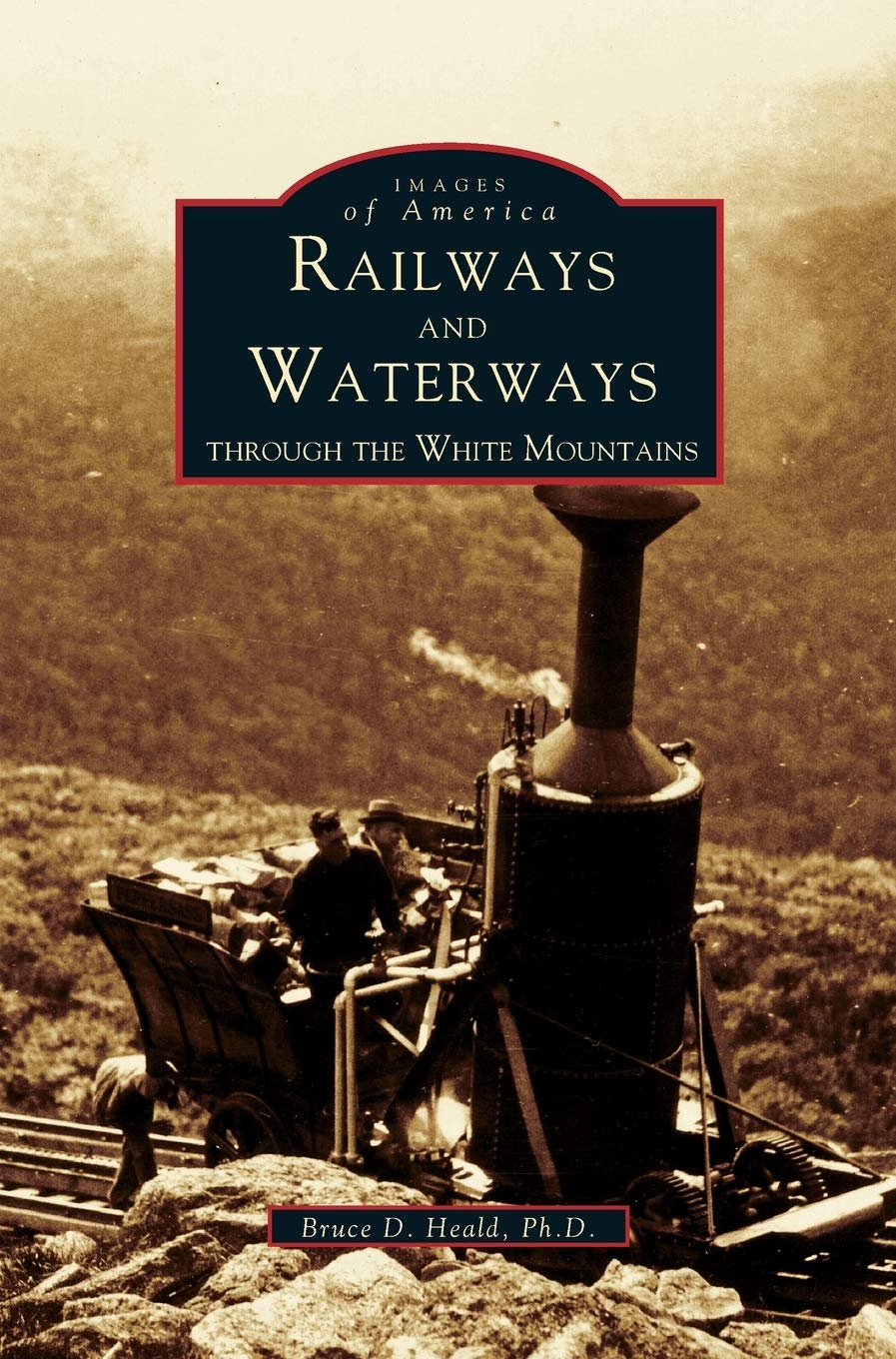
Railways and Waterways: Through the White Mountains - Illustrated
Railways and Waterways: Through the White Mountains - Illustrated
Price subject to change. Tap below for current.
Couldn't load pickup availability
In this review of Railways and Waterways: Through the White Mountains the author presents a focused historical look at how the region's lakes, rivers and early railroads shaped travel and settlement. Readers who value local history and scenic landscapes will appreciate the book's descriptive narrative and period detail; the single biggest reason to buy is the way the book ties natural features to the development of the Notches and village life. This review highlights the book's strengths as a historical travel portrait and notes its best audience.
Key Features
- Regional focus: Concentrates on the White Mountains area to give readers a clear sense of place and continuity across waterways and rail lines.
- Historical scope: Traces early railroads and the development of villages so readers understand how transportation shaped settlement patterns.
- Natural description: Describes lakes, rivers and waterfalls with enough detail to evoke the landscape for readers interested in New England scenery.
- Local narratives: Presents stories of visitors and settlers that illustrate human interaction with the region's resources over centuries.
- Illustrative layout: Leaves the sense of a pictorial tour through the Notches, making it useful as a companion for visitors and armchair travelers alike.
Who It's For
Railways and Waterways is best for readers who enjoy state and local history, historical travel writing, and the interconnection of transportation and landscape. Hikers, regional tourists, and local history buffs will find the chapters rewarding as a way to deepen appreciation for the White Mountains and its waterways.
Those seeking a technical railroad manual, exhaustive archival citations, or a comprehensive hydrological study should look elsewhere; the book favors narrative and regional portrait over exhaustive technical detail or scientific analysis.
Pros & Cons
Pros
- Strong sense of place brings the White Mountains' scenery and waterways to life for readers.
- Clear explanation of how early railways influenced villages and visitor patterns across the Notches.
- Accessible writing makes the history approachable to nonacademic readers and travelers.
Cons
- Not a technical or exhaustive study, so specialists seeking detailed engineering or hydrology data may find it limited.
Specifications
| Title | Railways and Waterways: Through the White Mountains |
| Author | PhD Bruce D Heald PH.D. |
| Region | White Mountains, New Hampshire |
| Topics | Railroads, waterways, local history, villages |
| Audience | Local history readers and regional visitors |
| Style | Narrative historical and descriptive |
Our Verdict
Railways and Waterways: Through the White Mountains is a worthwhile purchase for anyone who wants a readable, place-focused account of how waterways and early railroads shaped the Notches and nearby villages. Its narrative focus and evocative descriptions make it good value for travelers and local history enthusiasts, though readers seeking technical depth should supplement it with specialized sources.
Frequently Asked Questions
Does the book cover specific railway lines?
The book discusses early railroads through the White Mountains villages and Notches, emphasizing their role in regional development rather than serving as a technical roster of lines.
Is this suitable as a travel companion?
Yes; the descriptive passages on lakes, rivers and waterfalls pair well with visits to the region and provide historical context for scenic sites.
Who wrote the book?
The author is PhD Bruce D Heald PH.D., who approaches the subject from a regional history perspective.
Editor's Take
A readable regional history that connects the White Mountains' waterways and early railroads, ideal for local history enthusiasts and visitors who want evocative context though not technical depth.

Recently viewed
Recently viewed products will appear here as customers browse the store.