

Reading the Red Book - Clear Guide to Jung's Masterwork
Reading the Red Book - Clear Guide to Jung's Masterwork
Price subject to change. Tap below for current.
Couldn't load pickup availability
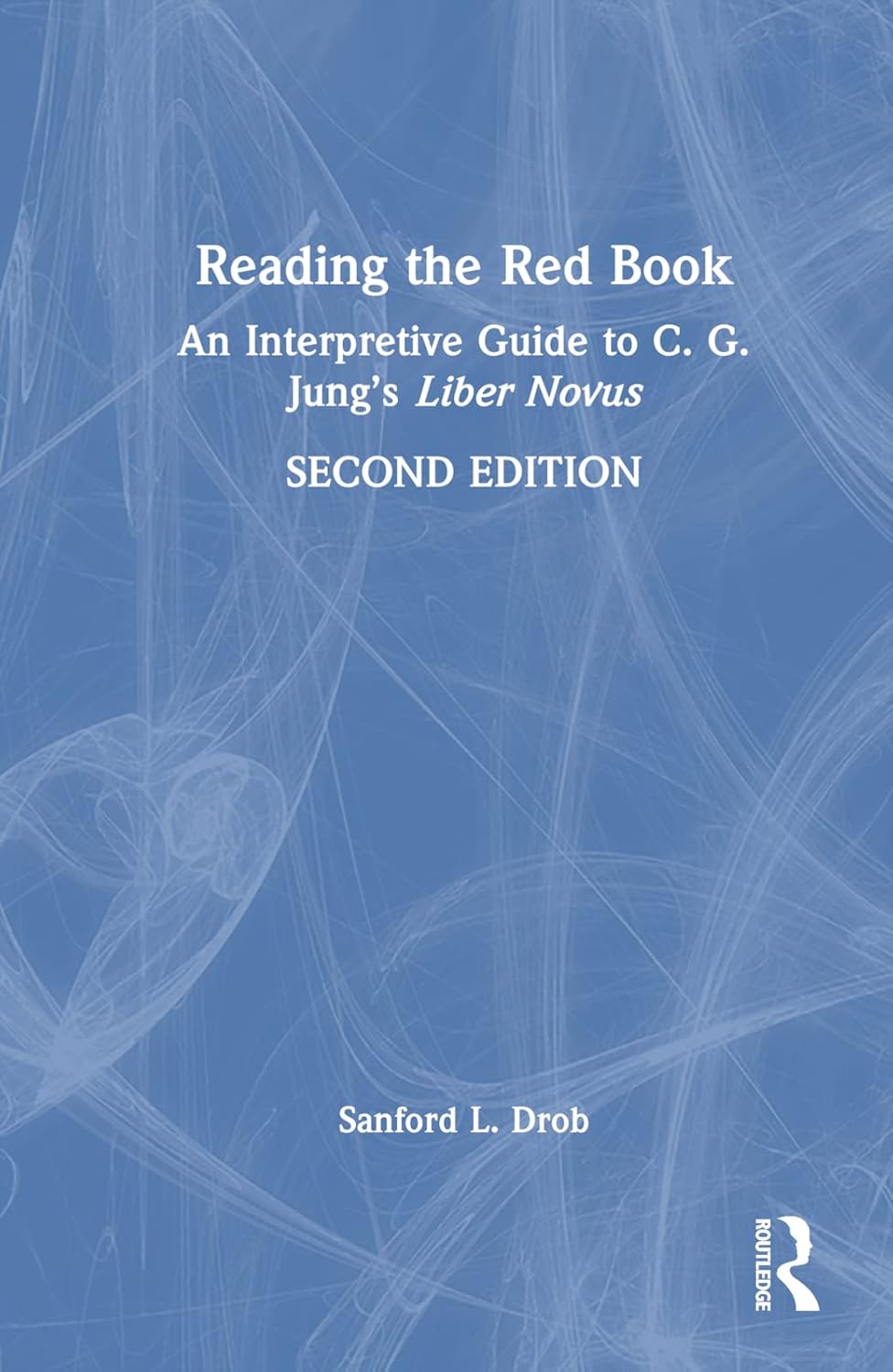
In this review of Reading the Red Book, Sanford L. Drob offers a focused companion to C. G. Jung's long-awaited Red Book that makes its narrative and themes more approachable. The book is best for readers who want a clear, scholarly guide to the Red Book's symbolic content and historical significance, and the single biggest reason to buy is Drob's balanced blend of close reading and contextual explanation that illuminates Jung's often enigmatic text without oversimplifying it.
Key Features
- Comprehensive narrative guide: Drob traces the Red Book's storyline in a way that clarifies scenes and symbolic encounters for readers working through Jung's text.
- Thematic analysis: The author outlines recurring motifs and themes, helping readers see how Jung's visions connect across the book.
- Historical context: The book situates the Red Book within the broader history of analytical psychology and intellectual history, explaining its significance beyond clinical circles.
- Accessible tone: Drob writes for both specialists and interested general readers, making complex ideas understandable without dumbing them down.
- Focused interpretation: The guide highlights why particular passages matter, offering interpretations useful for study and classroom discussion.
Who It's For
Reading the Red Book is aimed at students of psychology, Jungian practitioners, and readers who have attempted Jung's Red Book and want clearer orientation to its narrative and symbolic structure. It works well as a companion text for seminars or self-study where readers need a steady, explanatory voice.
Those seeking a visual facsimile, a complete scholarly apparatus of all manuscript variants, or a purely clinical manual should look elsewhere; this book emphasizes interpretation and significance rather than exhaustive transcription or clinical protocols.
Pros & Cons
Pros
- Provides a clear, readable explanation that demystifies the Red Book's complex narrative.
- Connects Jung's text to broader intellectual history, enhancing its relevance beyond psychology.
- Balances scholarly insight with accessibility, suitable for both students and interested general readers.
Cons
- Not a substitute for the original Red Book facsimile or a full critical edition for specialist manuscript work.
Specifications
| Title | Reading the Red Book |
| Author | Sanford L. Drob |
| Subject focus | Analysis and interpretation of C. G. Jung's Red Book |
| Intended audience | Students, practitioners, serious readers of Jung |
| Content emphasis | Narrative, thematic analysis, and historical significance |
| Approach | Interpretive guide rather than facsimile or clinical manual |
Our Verdict
Reading the Red Book is a valuable companion for anyone seeking to understand Jung's most enigmatic work; it translates complex material into clear analysis and situates the Red Book historically, making it good value for students and readers who want interpretive guidance rather than a facsimile or technical critical edition.
Frequently Asked Questions
Does this book include the Red Book images?
No, the work is an interpretive guide and does not serve as a facsimile reproduction of Jung's original painted manuscript.
Is prior knowledge of Jung required?
No, Drob writes accessibly so readers with limited background can follow the narrative and themes, though familiarity helps deepen appreciation.
Is this suitable for academic study?
Yes, it is useful for seminars and coursework as a clear interpretive companion to the Red Book.
Editor's Take
Reading the Red Book is a clear, interpretive companion that makes Jung's enigmatic manuscript accessible; ideal for students and readers seeking narrative and thematic guidance rather than a facsimile.

Recently viewed
Recently viewed products will appear here as customers browse the store.