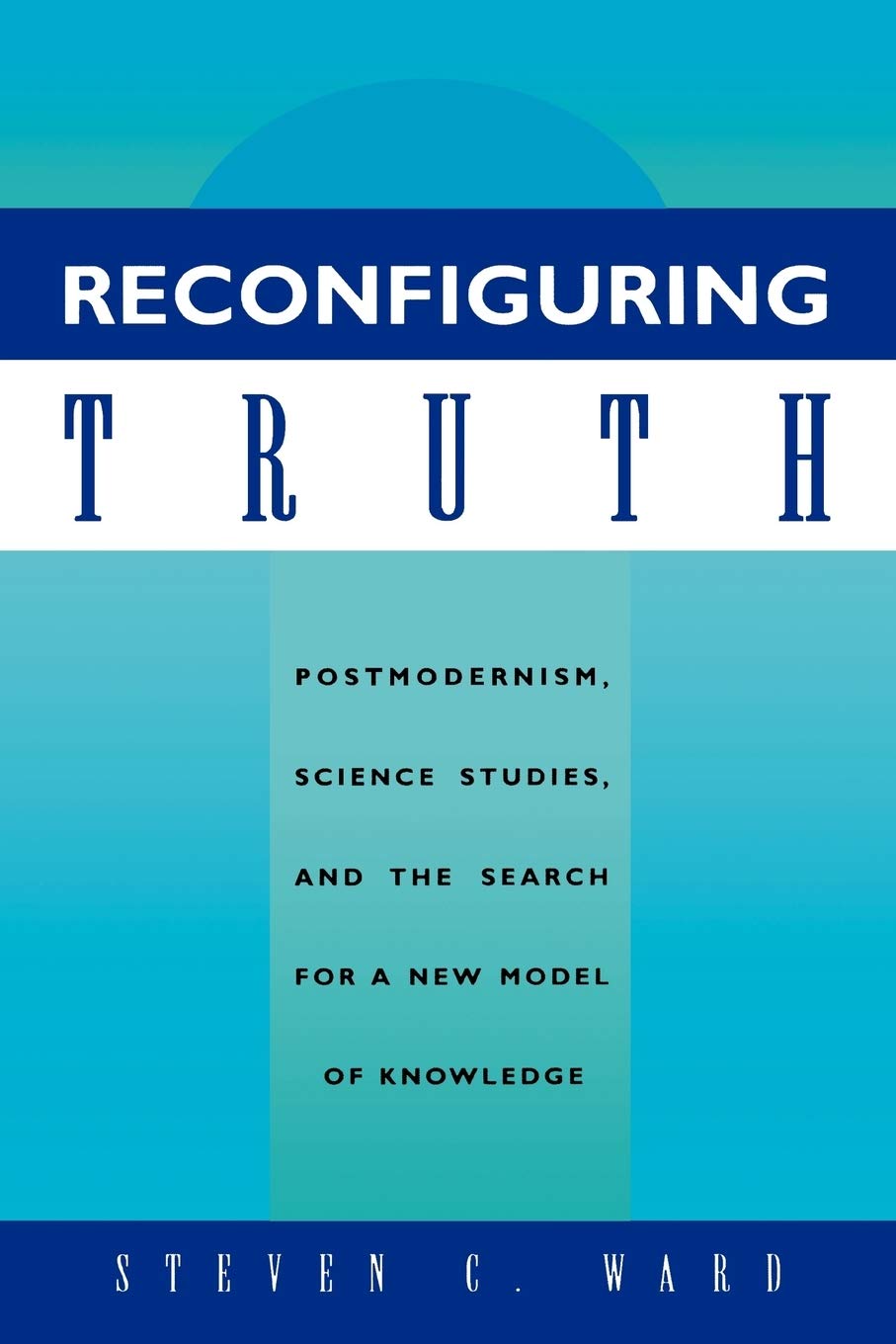
Reconfiguring Truth: Postmodernism and New Knowledge Models
Reconfiguring Truth: Postmodernism and New Knowledge Models
Price subject to change. Tap below for current.
Couldn't load pickup availability
In the realm of contemporary philosophy, Reconfiguring Truth stands out as a pivotal work that delves into the intricate relationship between postmodernism and the evolving landscape of science studies. Authored by Steven C. Ward, this book challenges traditional notions of knowledge and invites readers to explore a new paradigm that reflects the complexities of modern thought.
Ward's exploration begins with a critical examination of how postmodernism has reshaped our understanding of truth. He argues that the rigid frameworks of the past are no longer sufficient to address the multifaceted nature of knowledge in today's world. Instead, he proposes a dynamic model that embraces uncertainty and encourages a more fluid interpretation of reality.
One of the key features of Reconfiguring Truth is its interdisciplinary approach. Ward draws from various fields, including philosophy, sociology, and science, to illustrate how these disciplines intersect and inform one another. This comprehensive perspective allows readers to appreciate the complexities of knowledge creation and dissemination in a postmodern context.
Throughout the book, Ward emphasizes the importance of science studies as a critical lens through which we can examine the production of knowledge. He highlights how scientific inquiry is not merely a quest for objective truths but is deeply influenced by cultural, social, and political factors. This insight challenges the conventional view of science as a purely empirical endeavor and opens up new avenues for understanding its role in society.
Moreover, Ward's writing is both accessible and thought-provoking, making Reconfiguring Truth suitable for a wide audience. Whether you are a seasoned scholar or a curious reader, the book offers valuable insights that provoke reflection and discussion. The clarity of his arguments, combined with rich examples, ensures that readers can engage with the material on multiple levels.
As the book progresses, Ward introduces the concept of a new model of knowledge that transcends binary oppositions and embraces a more holistic view. He advocates for a collaborative approach to knowledge production, where diverse perspectives are valued and integrated. This vision not only enriches our understanding of truth but also fosters a more inclusive intellectual environment.
In conclusion, Reconfiguring Truth is an essential read for anyone interested in the intersections of philosophy, science, and culture. Steven C. Ward's insightful analysis and innovative ideas challenge us to rethink our assumptions about knowledge and its role in shaping our understanding of the world. This book is a significant contribution to the ongoing discourse on postmodernism and its implications for the future of knowledge.
Share